Limescale Cleaning Compatibility Checker
Select the surface material you are cleaning to see if white vinegar is safe and get the best cleaning advice.
Chrome / Stainless Steel
CommonGlass / Mirrors
CommonCeramic / Porcelain
CommonMarble / Granite
CautionRubber Seals
CautionKettle / Coffee Maker
CommonKey Takeaways
- White vinegar is highly effective at dissolving calcium carbonate (limescale) due to its acetic acid content.
- It works best on chrome, glass, and ceramic surfaces but can damage natural stone and some plastics.
- For tough buildup, a longer soak time or a heated solution is necessary.
- It is a cost-effective, non-toxic alternative to harsh chemical descalers.
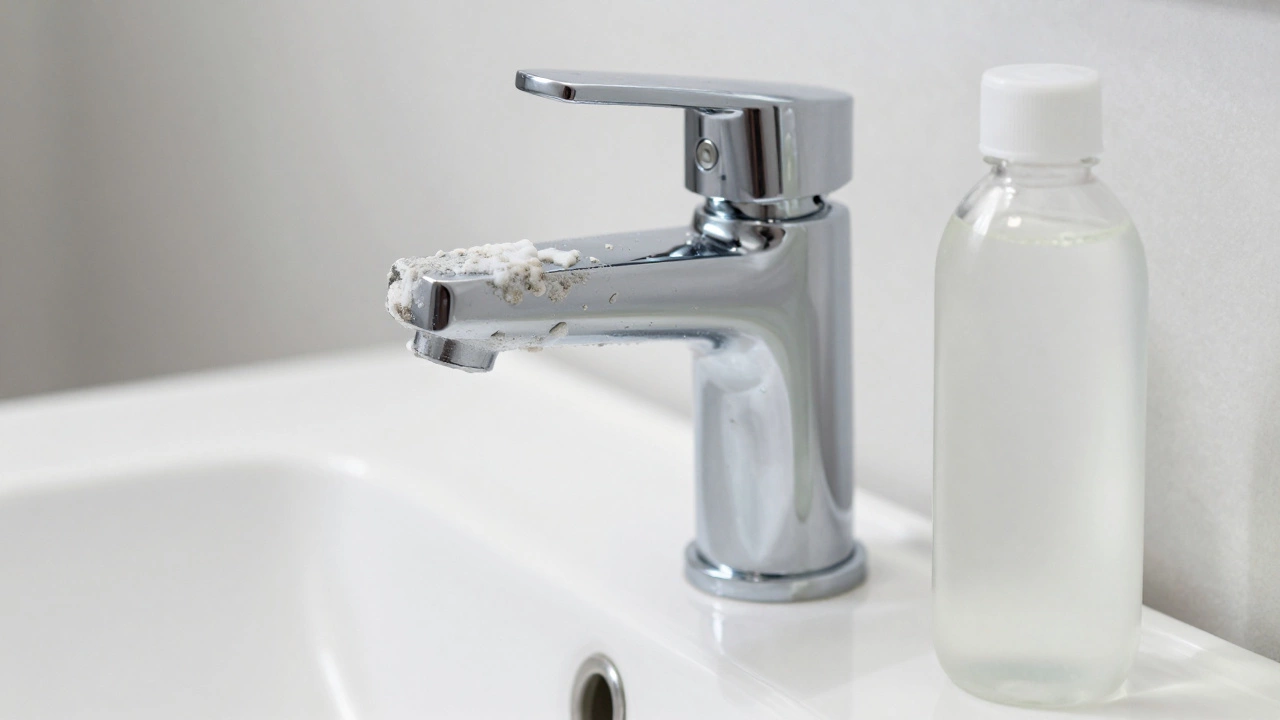
You've probably seen a crusty white layer building up around your taps, inside your kettle, or on your shower screen. That is limescale. If you are preparing a property for an end of tenancy cleaning, this is one of those details that landlords and letting agents spot immediately. The short answer is: yes, vinegar works incredibly well. But if you just splash some on and wipe it off, you might find it doesn't do much. There is a bit of science to getting it right so you don't waste your afternoon scrubbing.
Why Vinegar Actually Works on Limescale
To understand why White Vinegar is the go-to tool here, you have to look at what limescale actually is. Limescale is essentially calcium carbonate, a mineral deposit that forms when "hard water" evaporates. In places like Bristol or London, the water is packed with minerals. When the water disappears, the minerals stay behind and bond together into a hard, rock-like shell.
Vinegar contains Acetic Acid. When the acid in the vinegar hits the alkaline calcium carbonate, a chemical reaction occurs. The acid breaks the molecular bonds of the mineral, turning the solid crust back into a soluble form that you can simply wipe away. It is not magic; it is just basic chemistry in your kitchen.
The Best Surfaces for Vinegar Descaling
Not every surface in your home reacts the same way to acid. If you use vinegar on the wrong material, you might trade a limescale problem for a permanent etch mark. Here is where you can safely use it and where you should stay away.
Chrome taps, stainless steel sinks, and glass shower panels are the primary targets. Because these materials are non-porous and generally acid-resistant, vinegar is perfect. For example, if you have a shower head clogged with minerals, soaking it in a bowl of vinegar for two hours usually clears the holes without needing a needle to poke them out.
However, you must avoid Natural Stone. If you have marble or limestone countertops, vinegar is your enemy. These stones are made of calcium carbonate-the same stuff as the limescale. If you put vinegar on marble, the acid will eat the stone itself, leaving a dull, matte patch that can't be cleaned away. Stick to pH-neutral cleaners for your fancy stone surfaces.
| Surface Material | Safe? | Effect/Risk |
|---|---|---|
| Chrome / Stainless Steel | Yes | Dissolves minerals, restores shine |
| Glass / Mirrors | Yes | Removes streaks and cloudy buildup |
| Ceramic / Porcelain | Yes | Safe for toilets and sinks |
| Marble / Granite | No | Causes chemical etching (permanent damage) |
| Rubber Seals (Long term) | Caution | Concentrated acid can degrade some rubber over time |
Step-by-Step: How to Remove Limescale from Taps and Showers
If you are cleaning a rental property, you likely have a lot of ground to cover. Don't just spray and pray. Follow this method to get the best results without spending hours scrubbing.
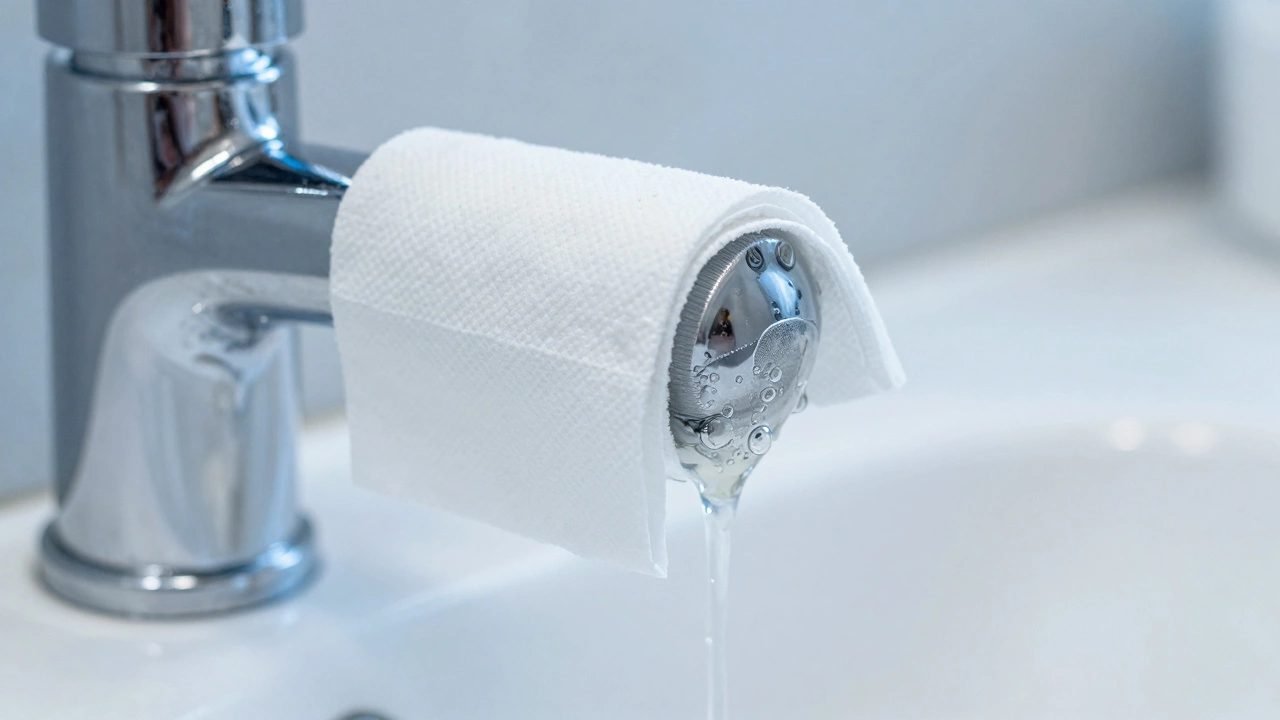
- The Soak Method: For taps, don't just pour vinegar over them. Fold a paper towel or a small rag and soak it in white vinegar. Wrap the soaked cloth around the tap so it clings to the crusty areas. This keeps the acid in direct contact with the limescale instead of just running down the drain.
- The Wait Time: Leave the wrap on for at least 30 to 60 minutes. For severe buildup-the kind that looks like stalactites in a cave-leave it overnight. The longer the acid works, the less effort you have to put into scrubbing.
- The Gentle Scrub: Once the minerals have softened, use an old toothbrush or a non-scratch sponge. You will see the white crust flake away almost effortlessly.
- The Rinse: Rinse the area thoroughly with fresh water. If you leave vinegar residue on the metal, it can sometimes leave a faint smell or a streak once it dries.
- The Dry: Use a microfiber cloth to buff the chrome. This is the secret to that "professional" look that landlords love.
Dealing with Kettles and Coffee Machines
Internal limescale is a different beast. In a kettle, the minerals build up on the heating element, making the machine run slower and occasionally causing it to switch off prematurely. The process here is even simpler because the water is contained.
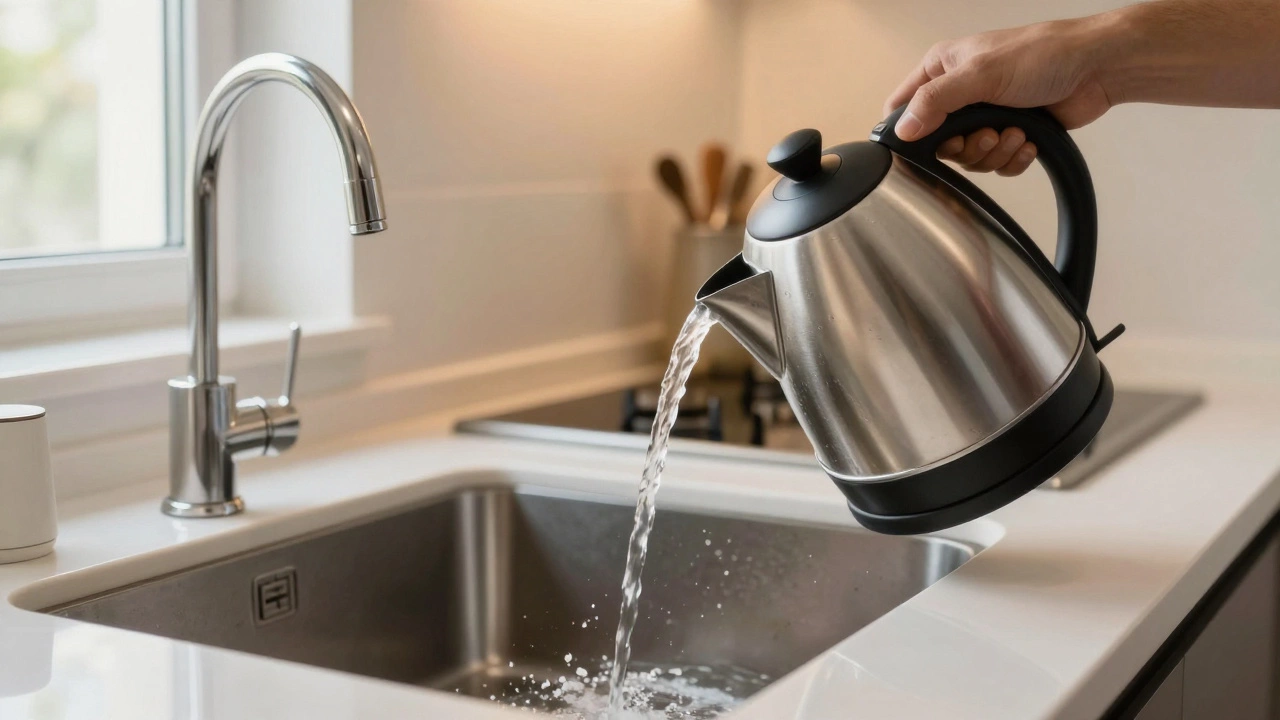
Fill your kettle halfway with a mixture of equal parts water and white vinegar. Turn it on and let it boil. Once it has boiled, let the solution sit for about an hour. You will see the white flakes floating in the water. Pour the mixture out and boil the kettle two or three more times with plain water to remove the vinegar scent. This is far more effective than using store-bought descaling tablets, which often contain more expensive chemicals for the same result.
Pro Tips for End of Tenancy Success
When you are cleaning for a deposit return, you need to be efficient. I've noticed that people often make the mistake of using too much vinegar on rubber seals in washing machines or dishwashers. While vinegar is great for the pipes, leaving it sitting on rubber gaskets for days can make them brittle. Always rinse the rubber parts after a vinegar treatment.
Another trick is heating the vinegar. If you have a truly stubborn patch of limescale on a ceramic sink, heat some white vinegar in the microwave for 30 seconds. The warmth accelerates the chemical reaction, making the acetic acid work faster. Just be careful not to burn yourself when applying it.
Finally, consider the smell. Vinegar is pungent. If you are cleaning a small bathroom in a flat, the smell can linger. Open the windows or use a fan. Once the vinegar is rinsed away and the surface is dry, the smell disappears completely, leaving behind a sparkling finish.
Is white vinegar better than apple cider vinegar for limescale?
Yes, white distilled vinegar is significantly better. It has a higher acetic acid concentration (usually around 5-7%) and lacks the sugars and sediment found in apple cider vinegar, which can leave a sticky residue on your fixtures.
Can I mix vinegar with baking soda to remove limescale?
You'll see this tip everywhere, but it is mostly for show. Baking soda is a base and vinegar is an acid. When you mix them, they neutralize each other, creating a fizzy reaction that looks like it's working but actually makes the vinegar less acidic. Use baking soda for scrubbing and vinegar for dissolving, but don't mix them in a bottle expecting a super-cleaner.
How often should I descale my taps to prevent buildup?
In hard water areas, a quick wipe with a vinegar-water solution once every two weeks prevents the minerals from bonding into a hard shell. Once the limescale becomes "rock-hard," it takes much longer to remove.
Will vinegar damage my chrome plating?
Generally, no, but time is the key. If you leave high-concentration vinegar on cheap chrome plating for several days without rinsing, it can eventually eat through the finish. For most household uses, an hour or two is perfectly safe.
What can I use if vinegar is too slow?
If you are facing a massive buildup and don't have time, citric acid powder is a stronger alternative. Dissolve it in warm water; it is more aggressive than vinegar and works faster on heavy mineral deposits.
Next Steps for a Spotless Home
Now that you've tackled the limescale, you should look at the other "hidden" spots landlords check. Check the window tracks for dead insects and dust, and ensure the oven is free of grease. If you find that the limescale is too far gone-like in an old toilet bowl that has brown rings-you might need a professional-grade descaler or a dedicated cleaning service to avoid damaging the porcelain.
For those moving out, a final walk-through with a flashlight is the best way to catch missed spots. Shine the light sideways across your taps and shower screens; the glare will reveal any remaining mineral streaks that you might have missed from a standing position.