
Tenancy Cleaning Decision Tool
Not sure if a standard deep clean is enough? Answer these questions to see if you meet the strict criteria for full deposit recovery.
Here is the hard truth: you can scrub your bathroom until your arms ache, use every product under the sun, and still lose your deposit. Why? Because end of tenancy cleaning is not just about making things look shiny. It is a specific, legally-adjacent service designed to meet contractual obligations between landlords and tenants. Many people confuse it with deep cleaning, which is a thorough housekeeping routine for personal satisfaction. The gap between "good enough for me" and "good enough for my landlord" is often where hundreds of pounds disappear.
| Feature | Deep Cleaning | End of Tenancy Cleaning |
|---|---|---|
| Primary Goal | Personal hygiene and comfort | Full deposit return and contract compliance |
| Frequency | Periodic (quarterly/annually) | One-off (at move-out) |
| Scope | Selective focus on problem areas | Comprehensive top-to-bottom coverage |
| Standards | Subjective (your preference) | Objective (inventory report standards) |
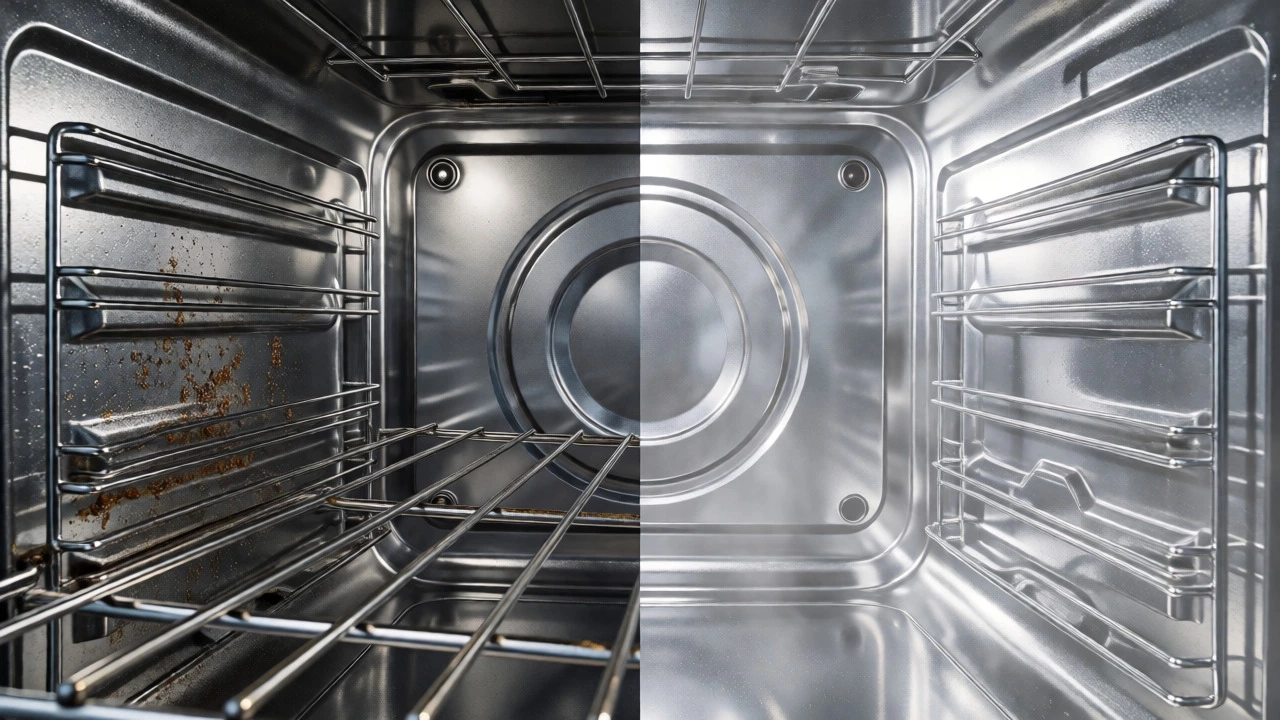
| Appliances | Exterior wipe-downs | Interior degreasing and descaling |
The Core Purpose: Satisfaction vs. Contractual Obligation
Think of deep cleaning as a reset button for your living space. You do it because the carpets feel gritty, the oven has layers of grease from last Christmas, or you simply want to breathe easier. It’s driven by your personal standards. If you decide that dusting the top of the fridge is unnecessary, that’s fine. No one is auditing your choices.
End of tenancy cleaning is a specialized service required to vacate a property in accordance with lease agreements. Its purpose isn't to make you happy; it's to satisfy the landlord or letting agent. This shift in objective changes everything. In a deep clean, you might skip the inside of the washing machine drum because it looks okay. In an end of tenancy clean, if there is mold or detergent buildup inside that drum, the inventory clerk will note it, and money comes out of your pocket. The standard is strictly defined by the initial property condition report, not by what you think is reasonable.
Scope of Work: What Actually Gets Cleaned?
This is where most tenants get caught out. A standard deep clean focuses on high-touch areas: kitchens, bathrooms, floors, and windows. It ignores the