Window Washing vs. Window Cleaning: What's the Real Difference?
April 13, 2026
Window Service Decision Tool
Answer these questions to find out which service your windows actually need.
Is there a white, cloudy film on the glass that won't go away with basic spray?
Yes
It looks like mineral buildup
No
Just looks like dust or smudges
Focus:
Frequency:
Imagine spending a whole Saturday scrubbing your glass panes only to step back and see streaks that look like a map of the London Underground. It's a common frustration. Most people use the terms interchangeably, but if you're hiring a pro or trying to save your glass from permanent damage, knowing the difference between window washing and window cleaning is a game-changer. One is a quick surface fix; the other is a full-scale restoration project.
Window Washing is
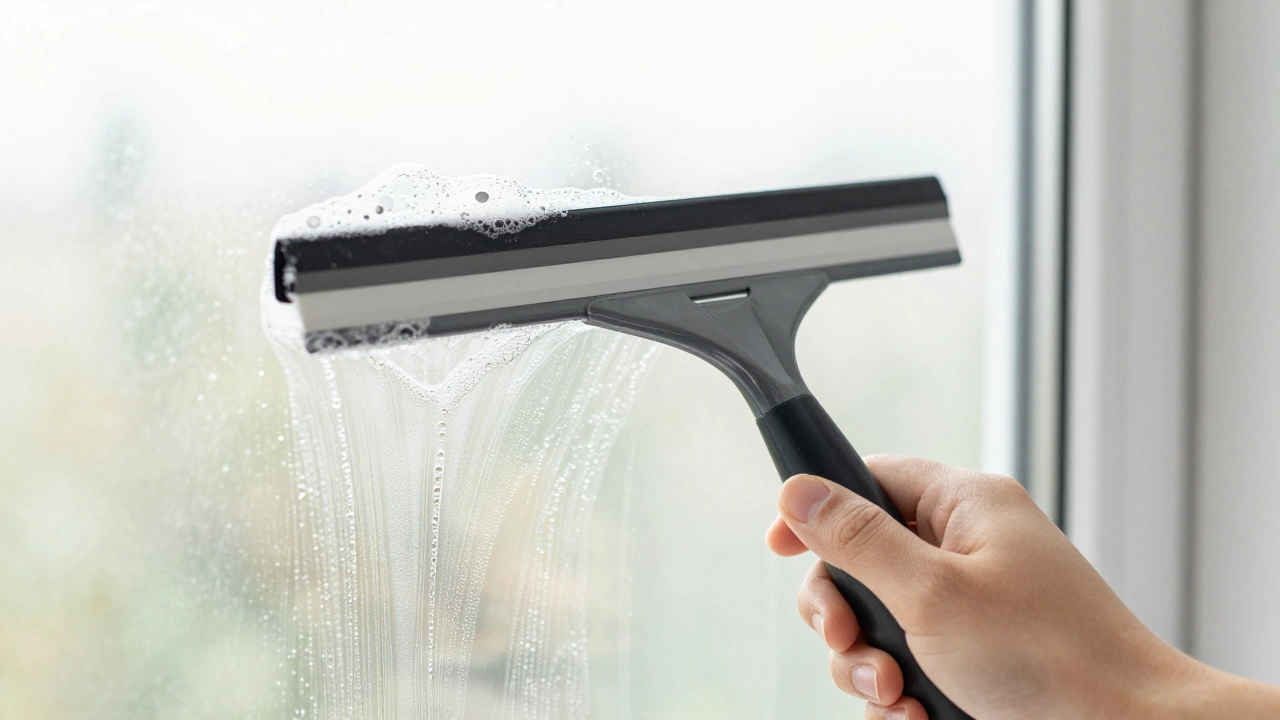
the process of removing surface-level dirt, dust, and fingerprints from glass using water and a cleaning agent.
Think of it as the "maintenance" phase. It's what you do every few weeks to keep things looking bright. It's fast, it's mostly about aesthetics, and it focuses on the glass itself.
Window Cleaning, however, is a much broader term. It involves a deep dive into the entire window assembly. This includes scrubbing the frames, clearing out the tracks, cleaning the sills, and sometimes treating the glass with specialized chemicals to remove hard water stains. It's more like a "detailing" service for your home.
Window Cleaning: Comprehensive, focuses on glass + frames + tracks, less frequent, removes ingrained grime and minerals.
Why the Distinction Matters for Your Home
If you only ever "wash" your windows, you're ignoring the parts that actually hold the glass in place. Over time, dirt builds up in the Window Tracks. When rainwater hits that accumulated grime, it creates a muddy sludge that can seep into your walls or jam the window mechanism.
Have you ever noticed a white, cloudy film on your glass that won't go away no matter how much Windex you use? That's not dirt; it's calcium and magnesium buildup from Hard Water. A simple wash won't touch this. You need a full cleaning process involving acidic cleaners or chelating agents that break the chemical bond between the mineral and the glass.
The Window Washing Process: A Surface Refresh
Window washing is the "quick win." It's designed to get rid of the things that make a window look dull. In a professional setting, this usually involves a Squeegee and a solution of water and a mild surfactant.
Here is how a typical wash goes down:
Applying a soapy solution to loosen surface oils and dust.
Agitating the dirt with a scrubber or microfiber cloth.
Using a squeegee in a specific pattern to pull the water off without leaving streaks.
Wiping the edges with a lint-free cloth to catch any remaining drips.
This process is great for keeping your home looking sharp, but it doesn't address the root cause of grime. If you have a house near a busy road in a city like Bristol, you'll find that soot and exhaust particles stick to the glass. Washing removes the top layer, but a deep clean ensures the glass is actually stripped of these microscopic pollutants.
The Window Cleaning Process: The Deep Dive
When you move into actual cleaning, you're looking at the window as a system. This is a much more labor-intensive process that protects the longevity of your uPVC Frames or wooden casings.
Comparison of Washing vs. Cleaning Attributes
Attribute
Window Washing
Window Cleaning
Primary Goal
Visual clarity (Glass)
Total restoration (System)
Time Required
Short (Minutes per window)
Long (Hours per room)
Tools Used
Squeegees, spray bottles
Vacuums, brushes, chemical solvents
Frequency
Every 2-4 weeks
Every 6-12 months
Impact
Removes dust/smudges
Prevents frame decay and seal failure
Deep cleaning involves several critical steps that a wash ignores:
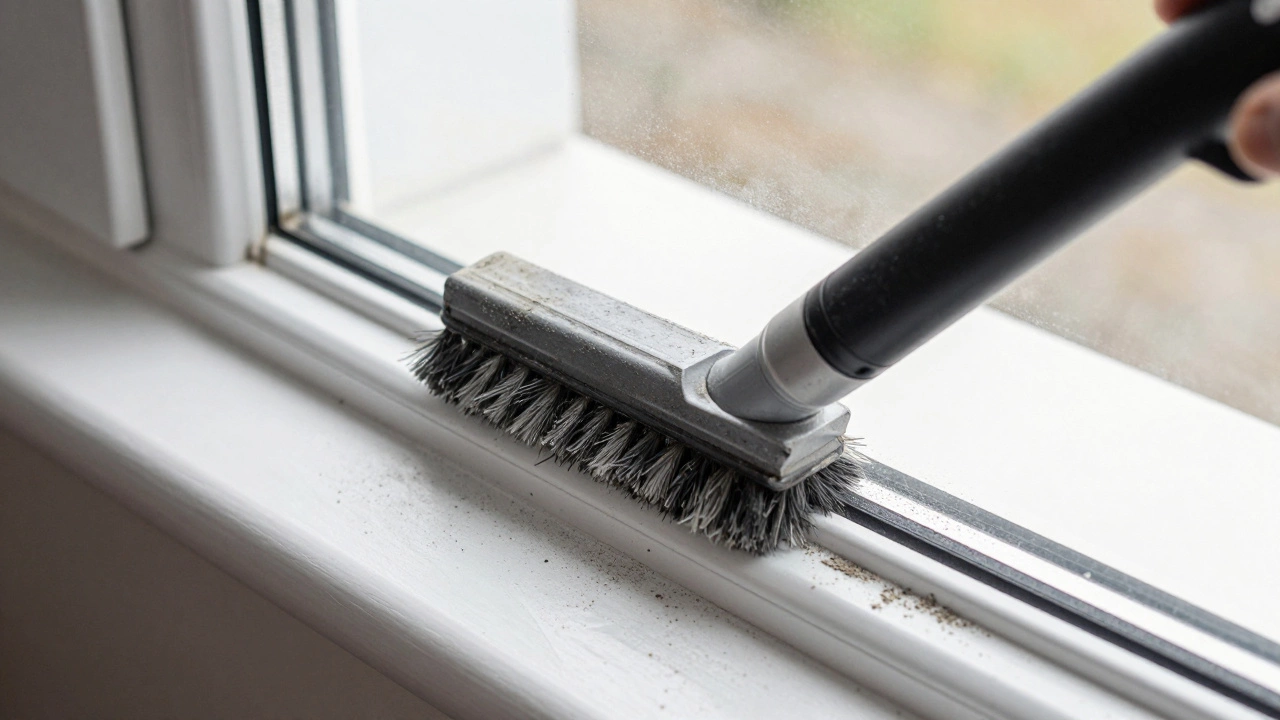
Track Vacuuming: Removing dead insects, dust bunnies, and debris from the bottom rail.
Frame Scrubbing: Using a degreaser to remove the grey film that builds up on white plastic frames.
Sill Detailing: Cleaning the interior and exterior ledges where moisture collects.
Mineral Removal: Using specific products to dissolve lime scale or salt deposits.
When to Choose Washing Over Cleaning (and Vice Versa)
It all comes down to your goal. If you're hosting a party this weekend and your windows look a bit foggy, a quick wash is all you need. It's a cosmetic fix.
However, you should opt for a full cleaning in these scenarios:
Seasonal Transitions: Specifically in the spring, after winter salt and rain have crusted over your frames.
After Construction: If you've had work done on your home, you'll have Paint Overspray or cement dust. A wash will just smear this around; you need a professional cleaning to chemically remove the residue.
Selling a Home: Buyers notice the tracks. If the tracks are filthy, they assume the rest of the house is poorly maintained.
Hard Water Areas: If you live in a region with high mineral content in the water, you'll need a deep clean to prevent the glass from becoming permanently etched.
Common Pitfalls to Avoid
One of the biggest mistakes homeowners make is using the wrong tools for the job. For example, using a rough sponge on the frames can leave micro-scratches in the uPVC, which actually makes it easier for dirt to stick in the future.
Another common error is ignoring the Weather Stripping. During a deep clean, you should check if the rubber seals are cracked. If you just wash the glass and ignore the seals, you're missing the chance to stop drafts and save on your heating bill.
Avoid using ammonia-based cleaners on tinted glass. While they might seem like a powerful "cleaning" agent, they can actually strip the coating off the glass, leaving you with permanent streaks that no amount of washing can fix.
Professional vs. DIY: Who Does What?
Most DIY enthusiasts are great at washing. A bucket of soapy water and a squeegee can get 90% of the way there. But professional Window Cleaning Services bring tools that most people don't have in their garage.
For instance, they use Pure Water Systems. This isn't just tap water; it's water that has been filtered to remove all minerals. When this water dries, it leaves zero residue. If you try this at home with tap water, the minerals in the water stay on the glass as it evaporates, creating those annoying white spots.
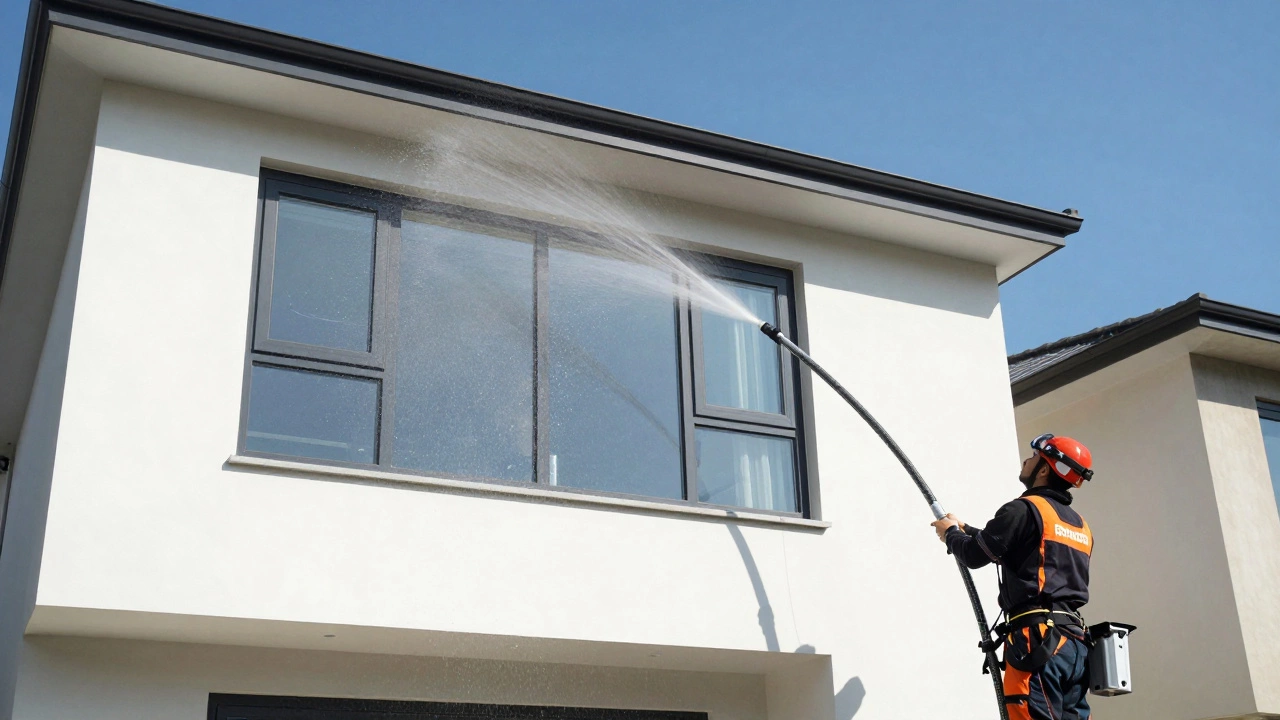
Pros also have the gear to handle high-reach areas safely. Using a ladder is the leading cause of home cleaning injuries. Professionals use water-fed poles that allow them to scrub and rinse windows from the ground, ensuring a deep clean without the risk of a fall.
Does window washing prevent window damage?
Not really. Window washing is cosmetic. It removes surface dirt so you can see better. However, regular window cleaning prevents damage because it removes corrosive minerals and debris from the tracks and frames that can cause rot or mechanical failure over time.
How often should I get a professional deep clean?
For most homes, a comprehensive window cleaning once or twice a year is plenty. This is usually done in the spring to clear winter grime and in the autumn to prepare for the rainy season. Between these deep cleans, you can perform monthly washes to keep the glass sparkling.
Can I use vinegar for window cleaning?
Yes, white vinegar is great for washing because the acetic acid breaks down surface oils. However, for a professional-grade cleaning-especially for heavy lime scale-you might need a stronger, pH-balanced specialized cleaner. Just be careful not to let vinegar sit on wooden frames for too long, as the acid can affect some finishes.
What is "pure water cleaning"?
Pure water cleaning uses deionized or reverse osmosis water. Because the water has no minerals (like calcium), it acts like a vacuum for dirt. When the water evaporates, it doesn't leave any spots behind, which is why professional cleaners can often skip the squeegee phase on exterior windows.
Will a window wash remove hard water stains?
Generally, no. Hard water stains are minerals bonded to the glass. A wash removes "loose" dirt. To remove hard water stains, you need a chemical cleaning process that dissolves the minerals, often involving a mild acid or a specialized polishing compound.
Next Steps for a Clearer View
If you're not sure where to start, take a look at your windows today. Rub your finger along the bottom track. If it comes away black or grey, you're overdue for a cleaning. If the glass looks dull but the frames are clean, a quick wash will do.
For those with older homes, check the seals around the glass. If you see peeling or cracks, don't just clean over them-call a specialist to reseal them. A clean window is great, but a clean, airtight window will save you a fortune on your energy bills this winter.