Oven Cleaning Strategy Calculator
Cleaning Parameters
Recommendation
Select your parameters and click "Get Recommendation" to see the best cleaning strategy.
Staring at a layer of blackened, baked-on grease inside your oven is enough to make anyone reach for the harsh chemical sprays sitting under the sink. But what if you could skip those toxic fumes and use items already in your pantry? You’ve probably seen the viral posts suggesting that mixing vinegar and Dawn creates a miracle cleaner capable of stripping away years of grime without breaking a sweat. It sounds too good to be true, doesn’t it? The reality is more nuanced. While this combination isn’t a magic wand that dissolves carbonized food instantly, it is surprisingly effective for moderate messes when used correctly.
The core idea behind this hack relies on chemistry rather than brute force. White vinegar is acidic, which helps break down mineral deposits and mild grease. Dawn dish soap is a powerful degreaser designed to cut through kitchen oils. When combined, they create a solution that tackles both types of residue. However, understanding how to apply them-and knowing their limits-is the difference between a sparkling interior and a frustrating cleanup session.
Why Vinegar and Dawn Work Together
To understand why this mix works, we need to look at what each ingredient brings to the table. White vinegar contains acetic acid, typically around 5% concentration. This acidity is key for loosening sticky residues and neutralizing odors. It’s not strong enough to eat through metal or plastic, making it safe for most oven interiors, but it’s potent enough to start breaking down the bonds holding grease to the surface.
On the other side, Dawn Ultra dish soap is formulated with surfactants. These molecules have one end that loves water and another that loves oil. They surround grease particles, lifting them off surfaces so they can be rinsed away. In an oven context, where fats have been heated repeatedly until they polymerize (turn into a hard, plastic-like film), you need a degreaser that can penetrate that barrier. Dawn is widely regarded as one of the most effective household degreasers available.
When you mix these two, you aren’t creating a new chemical compound. Instead, you’re creating a synergistic effect. The vinegar softens the crusty layers, while the soap emulsifies the oily components, allowing you to wipe them away with less scrubbing. It’s a gentle yet persistent approach compared to the caustic sodium hydroxide found in commercial oven cleaners like Easy-Off.
| Feature | Vinegar & Dawn Mix | Commercial Spray (e.g., Easy-Off) |
|---|---|---|
| Active Ingredients | Acetic Acid, Surfactants | Sodium Hydroxide, Ammonia derivatives |
| Fumes | Mild vinegar smell (dissipates quickly) | Strong, irritating chemical fumes |
| Effectiveness on Heavy Grime | Good for moderate buildup; requires soaking | Excellent for heavy, carbonized grease |
| Safety | Non-toxic, pet-friendly | Corrosive, requires gloves/ventilation |
| Cost | Very low ($1-$3 per batch) | Moderate ($4-$8 per can) |
How to Make and Apply the Solution
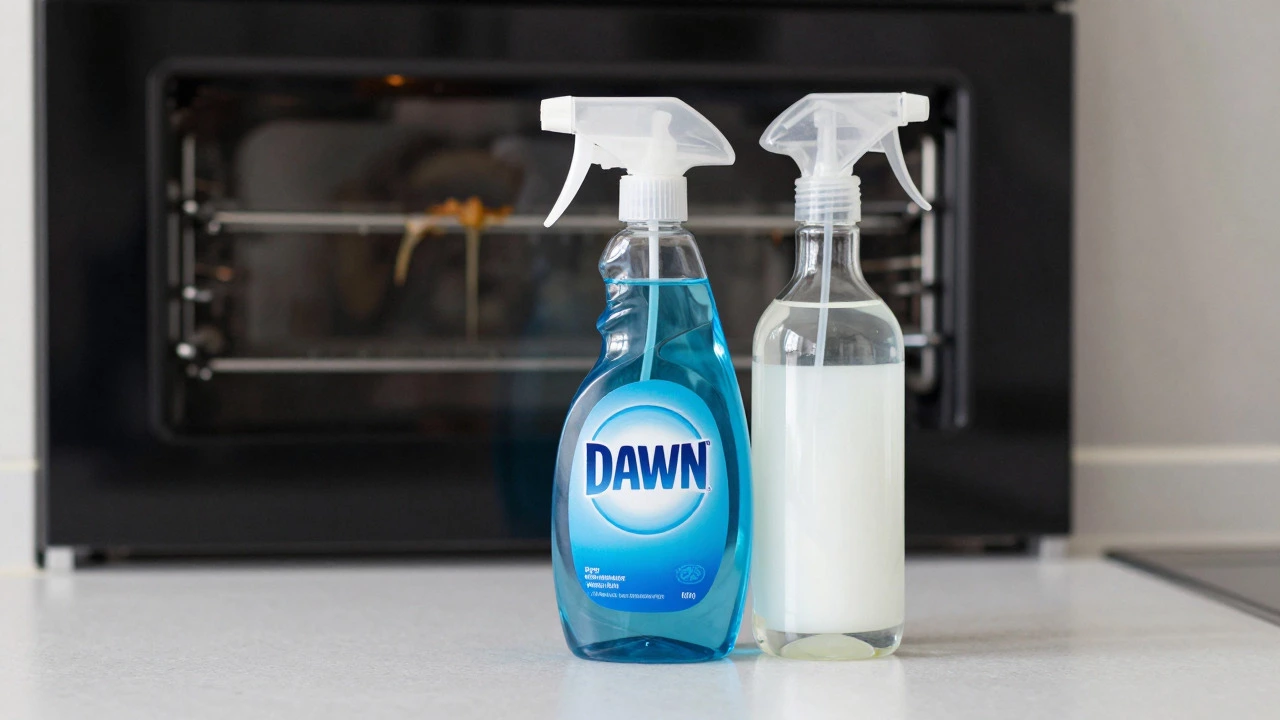
Getting the right ratio matters. If you use too much vinegar, the liquid evaporates too fast before the soap can work. Too much soap, and you’ll spend forever rinsing suds out of the crevices. A reliable starting point is a mixture of one part white vinegar to one part warm water, with a generous squirt of Dawn added to the spray bottle. Shake it well before every use because the ingredients separate naturally.
Here is the step-by-step process for maximum effectiveness:
- Cool Down: Ensure the oven is completely cool. Never spray liquids into a hot oven.
- Remove Racks: Take out the oven racks. Soak them separately in a bathtub filled with hot water and a cup of vinegar. This allows the racks to clean themselves while you focus on the walls.
- Apply Generously: Spray the vinegar-Dawn mixture liberally over all interior surfaces, focusing on areas with visible grease. Don’t worry about dripping; you want the solution to sit on the surface.
- The Wait Game: This is the most critical step. Let the solution sit for at least 30 minutes. For tough spots, leave it for up to two hours. The acid needs time to penetrate the hardened grease.
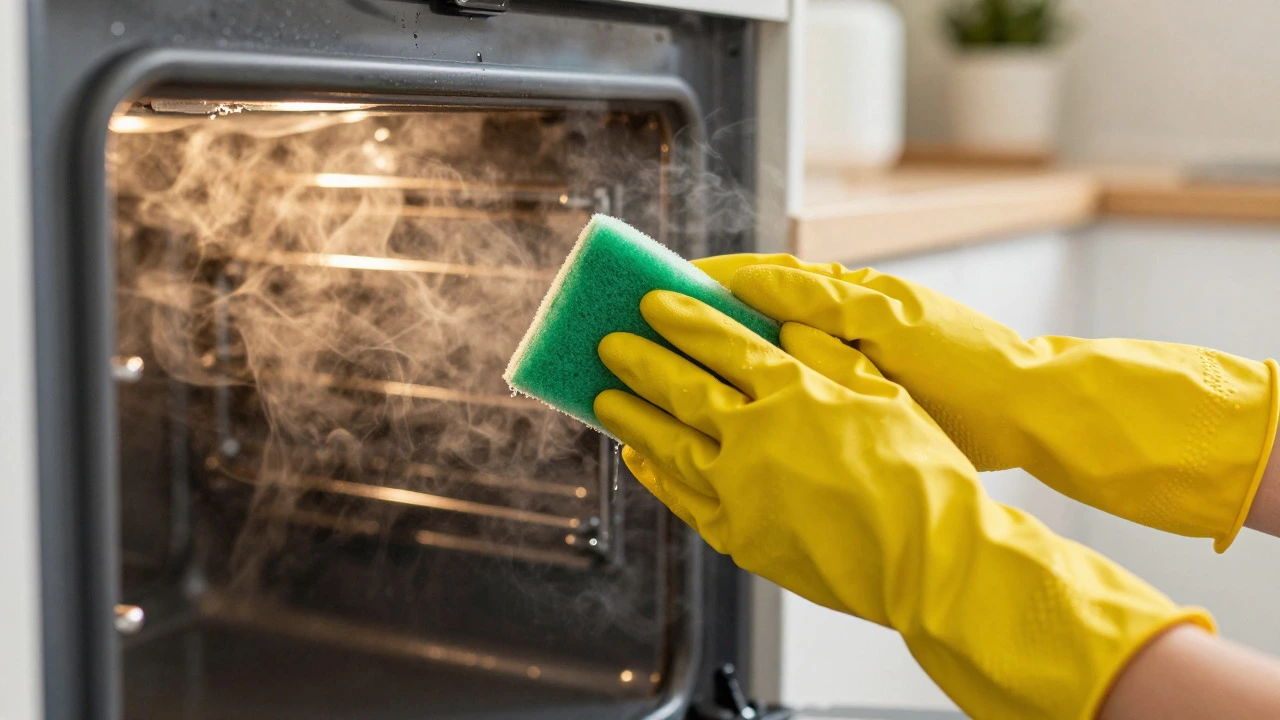
- Scrub Gently: Use a non-abrasive sponge or a nylon brush. The grease should lift easily. If it doesn’t, re-spray and wait longer. Avoid steel wool, which can scratch enamel finishes.
- Rinse Thoroughly: Wipe down the interior with a clean, damp cloth to remove any soap residue. Soap left behind can smoke during the next bake cycle.
When This Method Falls Short
While the vinegar and Dawn combo is fantastic for routine maintenance or ovens cleaned every few months, it has its limits. If your oven hasn’t been deep-cleaned in years, the grease may have carbonized into a thick, tar-like substance. Acetic acid alone struggles to break down fully polymerized fats. In these cases, you might find yourself scrubbing harder than expected, only to see minimal results.
Another limitation is stainless steel interiors. While generally safe, prolonged exposure to acidic solutions can sometimes dull certain finishes if not rinsed immediately. Always check your manufacturer’s manual. Some high-end ovens recommend specific pH-neutral cleaners to preserve warranty coverage.
If you encounter stubborn patches after the initial soak, don’t switch to harsh chemicals immediately. Try adding baking soda to the mix. Baking soda acts as a mild abrasive and reacts with vinegar to create fizzing action, which can help lift debris from textured surfaces. Paste baking soda with a little water, apply it to the tough spots, let it dry, then spray with the vinegar solution. The resulting foam can help loosen even the most tenacious grime.
Safety and Ventilation Considerations
One of the biggest advantages of using vinegar and Dawn is safety. Unlike commercial oven cleaners that release volatile organic compounds (VOCs), this DIY mix emits mostly water vapor and a sharp vinegar scent. This makes it ideal for households with pets, children, or individuals with respiratory sensitivities. However, “natural” doesn’t mean “risk-free.”
Vinegar is still an acid. Keep it away from your eyes and avoid inhaling the mist directly. Wear rubber gloves to protect your hands from prolonged exposure to the degreaser, which can strip natural oils from skin. Always ensure your kitchen is well-ventilated by opening windows or turning on the exhaust fan. Even though the fumes are mild, the humidity from the cleaning process can contribute to mold growth in poorly ventilated spaces.
Also, be cautious with aluminum pans or unsealed stone countertops near the oven. Vinegar can etch these materials if spilled. Wipe up any overspray immediately.
Maintaining a Cleaner Oven Long-Term
The best way to keep your oven clean is to prevent heavy buildup in the first place. Small spills are easy to handle; large, baked-on disasters are not. Here are some practical habits to adopt:
- Clean Spills Immediately: After cooking, if you notice sauce splatters or melted cheese, wait for the oven to cool slightly, then wipe them up with a damp cloth. Warm surfaces make cleaning easier.
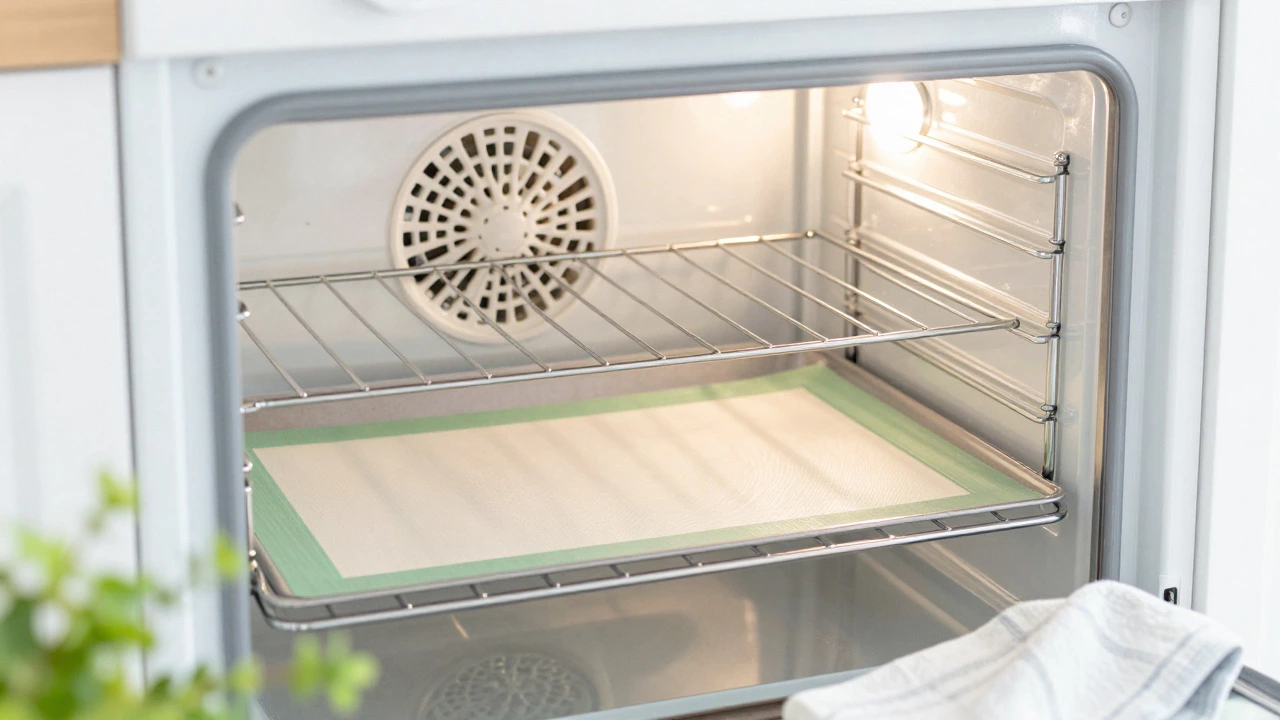
- Use Liners: Place a silicone baking mat or a disposable aluminum pan on the bottom rack to catch drips. Just ensure it doesn’t block airflow vents.
- Monthly Maintenance: Once a month, run a quick vinegar spray and wipe-down. It takes five minutes and prevents the need for deep cleans later.
- Avoid Broiling Without Protection: Broiling creates significant smoke and splatter. Line the rack below the broil zone with foil (secured properly) to minimize mess.
By integrating these small steps, you reduce the frequency of intensive cleaning sessions. Your oven stays hygienic, smells better, and operates more efficiently since clean heating elements transfer heat more effectively.
Common Mistakes to Avoid
Even with a simple recipe like vinegar and Dawn, people often make errors that reduce effectiveness. One common mistake is expecting instant results. Natural cleaners require patience. Rushing the process leads to excessive scrubbing, which can damage the oven’s enamel coating.
Another error is using colored vinegar. Stick to plain white distilled vinegar. Apple cider vinegar or balsamic vinegar contain sugars and pigments that can stain your oven interior, creating more work than you started with.
Finally, don’t forget to rinse. Leaving soap residue inside the oven causes smoking and unpleasant odors when you turn it on. A thorough wipe-down with plain water ensures no chemical traces remain.
Can I use vinegar and Dawn on self-cleaning ovens?
Yes, but proceed with caution. Self-cleaning ovens have specialized enamel coatings designed to withstand high temperatures. While vinegar and Dawn are generally safe, avoid abrasive scrubbers that could scratch the surface. If your oven has a pyrolytic self-clean function, you likely won’t need frequent manual cleaning anyway. Use this DIY method for light touch-ups between self-clean cycles.
Does mixing vinegar and Dawn produce harmful gases?
No, mixing vinegar and Dawn does not produce toxic gases. Unlike mixing bleach and ammonia, which creates chloramine gas, or bleach and vinegar, which creates chlorine gas, vinegar and dish soap are chemically compatible. The main concern is the strong vinegar odor, which dissipates quickly with ventilation.
How long should I let the solution sit?
For best results, let the vinegar and Dawn solution sit for at least 30 minutes. For heavily soiled areas, extend this time to 1-2 hours. The longer the solution penetrates the grease, the less physical scrubbing you’ll need to do. Check periodically to ensure the surface hasn’t dried out; re-spray if necessary.
Is this method safe for stainless steel ovens?
Generally, yes. White vinegar is mild enough for stainless steel, but always rinse thoroughly afterward to prevent potential spotting or dulling over time. Test a small, inconspicuous area first if you’re unsure about your specific model’s finish. Avoid letting the solution sit for extended periods on polished surfaces.
What if the grease doesn’t come off with vinegar and Dawn?
If the grease remains stubborn, try adding baking soda to create a paste. Apply the paste, let it dry, then spray with vinegar. The fizzing reaction can help lift debris. For extreme cases, consider a commercial oven cleaner as a last resort, ensuring proper ventilation and protective gear. Alternatively, use the oven’s self-cleaning cycle if available.