
Spring Cleaning Planner & Progress Tracker
Break your home into zones to avoid burnout. Check off tasks as you complete them to see your progress!
The Hidden Health Tax of Winter Dust
Think about your winter habits. You've spent months with the windows shut, the heater blasting, and the air circulating the same particles over and over. This creates a breeding ground for dust mites and pollen. When you don't do a deep scrub, these particles settle into your carpets and upholstery, triggering allergies and asthma even before the first flower blooms.
A real-world example? Look at your HVAC filters. If you haven't swapped them out since November, they're likely clogged with a grey layer of debris. This forces your system to work harder, increasing your energy bill and pushing old dust back into your bedroom. Cleaning these filters and wiping down the vents isn't just a "nice to do"-it's a way to stop breathing in last year's skin cells and pet hair.
Mental Clarity and the Psychology of Space
Ever noticed how you feel frazzled when your desk is buried under old mail and coffee mugs? There's a biological reason for that. Visual clutter competes for your attention, which increases cortisol levels-the stress hormone. When we commit to a massive purge, we aren't just moving things; we're reducing the cognitive load on our brains.
Imagine clearing out a junk drawer that's been bothering you for two years. The act of deciding what to keep and what to toss gives you a sense of control. It's a psychological "fresh start." By removing the physical remnants of a dormant winter, you're essentially telling your brain that it's time to be productive and active again. This is why so many people feel a surge of motivation after a big cleaning weekend; the environment is finally reflecting the mindset they want to have.
Preventing Costly Home Repairs
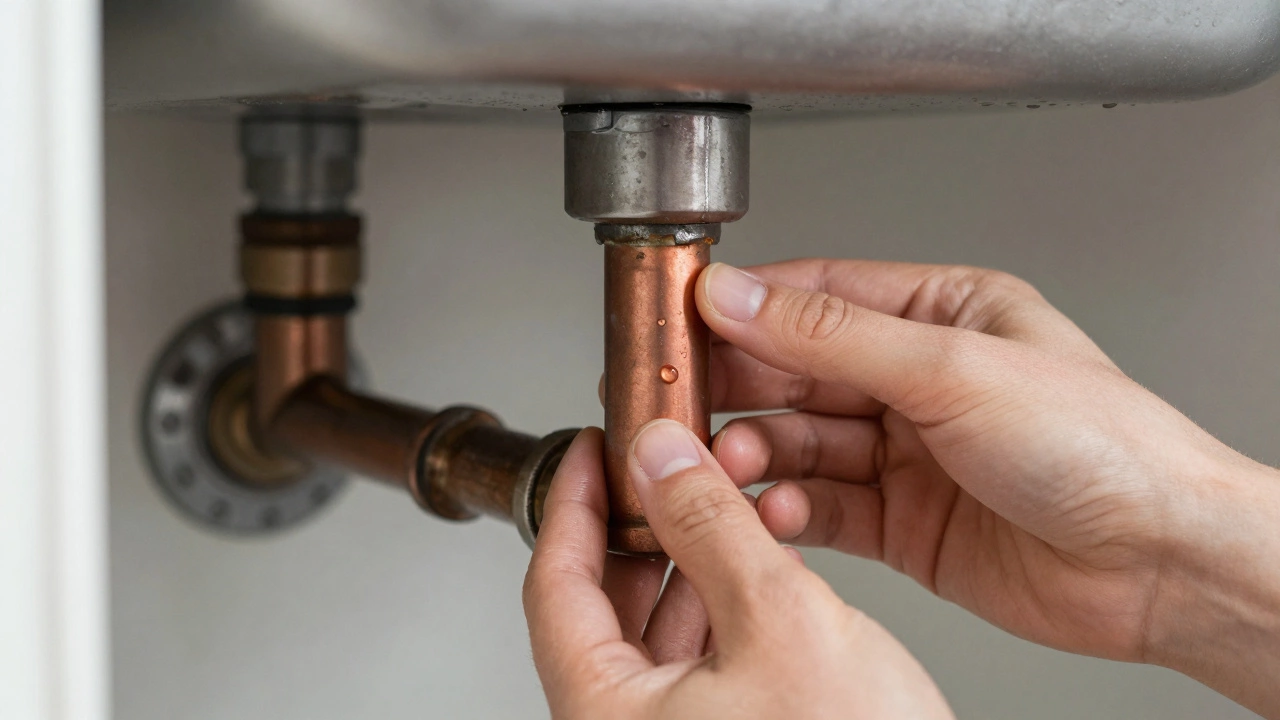
Spring cleaning is actually a stealthy form of home maintenance. If you wait until something breaks to look at it, you've already lost money. A deep clean allows you to spot issues while they're still cheap and easy to fix. For instance, while you're wiping down the cabinets under the kitchen sink, you might notice a tiny drip from a pipe. If you catch that now, it's a five-minute fix with a wrench. If you ignore it until the floorboards warp, you're looking at a thousand-dollar repair bill.
The same goes for your windows and doors. Scrubbing away the winter salt and grime allows you to see if the seals are cracking or if the caulking has peeled. Replacing a bead of silicone now prevents water from leaking into your walls during the spring rains. It's much cheaper to spend a Saturday with a sponge and a vacuum than to hire a contractor for emergency structural repairs in July.
| Feature | Weekly Surface Clean | Deep Spring Clean |
|---|---|---|
| Focus Area | Counters, floors, trash | Inside appliances, baseboards, vents |
| Goal | Maintain tidiness | Remove accumulated pollutants |
| Frequency | Daily/Weekly | Once or twice a year |
| Impact | Immediate visual relief | Long-term health and home longevity |

The Art of the Strategic Purge
You can't clean clutter; you can only remove it. This is where decluttering comes in. The point of spring cleaning isn't to organize your trash; it's to get the trash out of the house. A common mistake is spending four hours organizing a closet full of clothes you haven't worn since 2018. That's not cleaning-that's rearranging.
Try the "Three-Pile Method": Keep, Donate, and Trash. Be honest. If you haven't used a kitchen gadget in twelve months, you probably never will. Freeing up physical space in your cabinets and closets creates a flow that makes daily cleaning much faster. When you have fewer items to move, the weekly wipe-down takes twenty minutes instead of two hours.
Creating a Sustainable Cleaning Cycle
The biggest pitfall is the "all-or-nothing" approach. Many people try to do the entire house in one weekend, burn out by Sunday afternoon, and then don't touch a sponge for six months. The real point of the spring cleaning ritual is to establish a baseline of cleanliness that is easier to maintain throughout the year.
Break your home into zones. Start with the kitchen-the hub of bacteria-then move to the bedrooms, and finally the living areas. By tackling one room at a time, you avoid the overwhelming feeling of a "construction zone" in your own home. Use this time to inventory your cleaning supplies. If you're using ten different chemicals for ten different surfaces, consider switching to Eco-Friendly Cleaning agents like white vinegar and baking soda. They are often more effective for deep cleaning and won't leave toxic residues in your air.
The Environmental Connection
Opening your windows for the first time in months is a core part of this process. This isn't just about a nice breeze; it's called "purging" the air. Indoor air quality can actually be worse than outdoor air due to volatile organic compounds (VOCs) from furniture, paints, and cleaning products. By scrubbing the surfaces and then ventilating the rooms, you're flushing out the stale, chemical-laden air and replacing it with oxygen.
This habit also reconnects you with the seasons. There's something about the smell of fresh air and a clean home that resets your internal clock. It marks the transition from the inward-facing, cozy energy of winter to the outward-facing, active energy of spring. It's a ritual of renewal that keeps your home a sanctuary rather than a storage unit.
Is spring cleaning really necessary if I clean every week?
Yes. Weekly cleaning handles surface-level dirt and daily messes. Spring cleaning targets "accumulated" grime-the dust inside your vents, the grease behind your stove, and the allergens deep in your carpets. These things don't get picked up by a quick vacuum or a wipe of the counter, but they can impact your air quality and home health over time.
What are the most important areas to prioritize?
Start with the kitchen and bathrooms because they harbor the most bacteria and mold. After that, focus on the "dust traps": ceiling fans, baseboards, and under the furniture. Finally, tackle the air quality by cleaning your HVAC filters and washing your curtains or blinds.
How often should I actually do a deep clean?
While called "spring" cleaning, most homes benefit from a full deep clean twice a year-once in spring and once in autumn. This helps you prepare for the specific demands of each season, like removing salt and mud in the fall or tackling pollen and dust in the spring.
Can I use the same products for everything?
Not necessarily. While an all-purpose cleaner works for most things, you need specific products for certain surfaces. For example, avoid using acidic cleaners on marble or granite, and avoid bleach on certain fabrics. Using a few high-quality, eco-friendly basics like a pH-neutral soap and white vinegar is usually safer and more effective for a whole-house clean.
How do I avoid getting overwhelmed?
Stop trying to do it all in one day. Create a checklist and assign one room or one specific task per day. For example, Monday is for dusting, Tuesday is for the kitchen, and Wednesday is for decluttering the closets. This makes the process feel like a series of small wins rather than a giant mountain of work.
Next Steps for a Fresh Home
If you're feeling stuck, start with one small area-like a single kitchen drawer. The momentum from that small victory will push you to tackle the rest of the room. If you find that certain tasks are too daunting, such as cleaning the interior of your dryer vent or scrubbing deep grout lines, don't be afraid to bring in a professional. Sometimes a professional deep clean provides the perfect baseline for you to maintain on your own.
Once you've finished your spring scrub, create a simple maintenance calendar. Mark your filter changes every three months and your window washing twice a year. By planning these small bursts of effort, you can avoid the stress of a massive annual overhaul and keep your home feeling light and breathable all year round.