Power Wash Safety Checker
Check Your Home's Safety
Answer these 10 questions to determine if power washing is safe for your home. Check all that apply:
Power washing your house can make it look brand new-clean gutters, bright siding, no more algae streaks. But here’s the truth: power washing isn’t always the right move. In fact, doing it at the wrong time or on the wrong surface can cost you hundreds, maybe thousands, in repairs. You don’t need to be a professional to know when to hold off. Let’s cut through the hype and show you exactly when to skip the pressure washer.
Your house has old or loose paint
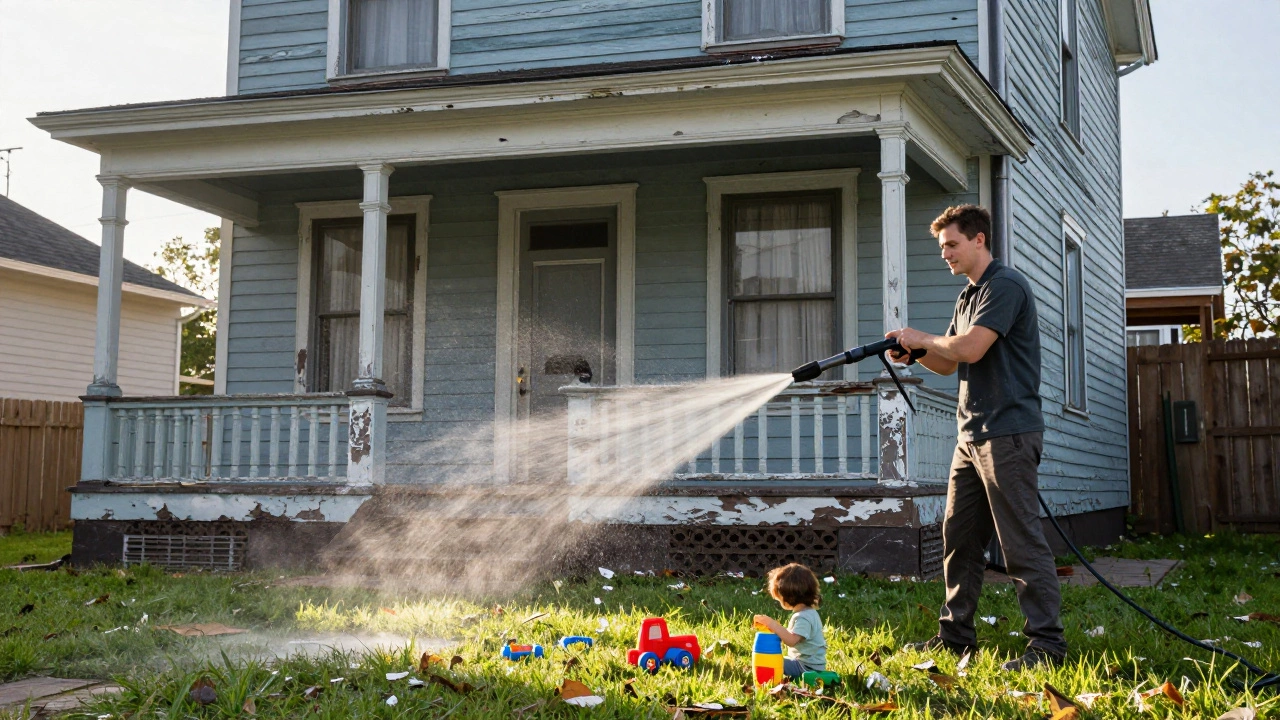
If your home was built before 1978, there’s a good chance it has lead-based paint. Even if you’re not sure, assume it’s there. Power washing can blast that paint off in chunks, creating toxic dust that settles on your lawn, your kids’ toys, or your dog’s paws. The EPA says lead exposure can cause serious health issues in children, including developmental delays. But even if lead isn’t your concern, old paint that’s already peeling or flaking? Pressure washing won’t fix it-it’ll make it worse. The high-pressure stream lifts paint that’s still clinging on, leaving bare wood exposed to rain, sun, and rot. You’ll end up repainting sooner than planned, and the prep work will be harder than if you’d just scraped gently by hand.You have wood siding or shingles
Wood isn’t like vinyl. It’s porous. It breathes. And it doesn’t like being hit with 2,000 PSI of water. If you’ve got cedar shake, clapboard, or any natural wood exterior, pressure washing can tear off the softer grain, leaving grooves and splinters. Over time, that damage lets moisture in. Mold grows inside the wood. Rot sets in. You might not see it right away, but after a few rainy seasons, you’ll have to replace whole sections of siding. A soft wash with low pressure (under 500 PSI) and a gentle detergent works better. Or better yet-clean it with a long-handled brush and a bucket of water and vinegar. It takes longer, but it won’t destroy your siding.The weather is freezing or about to drop below freezing
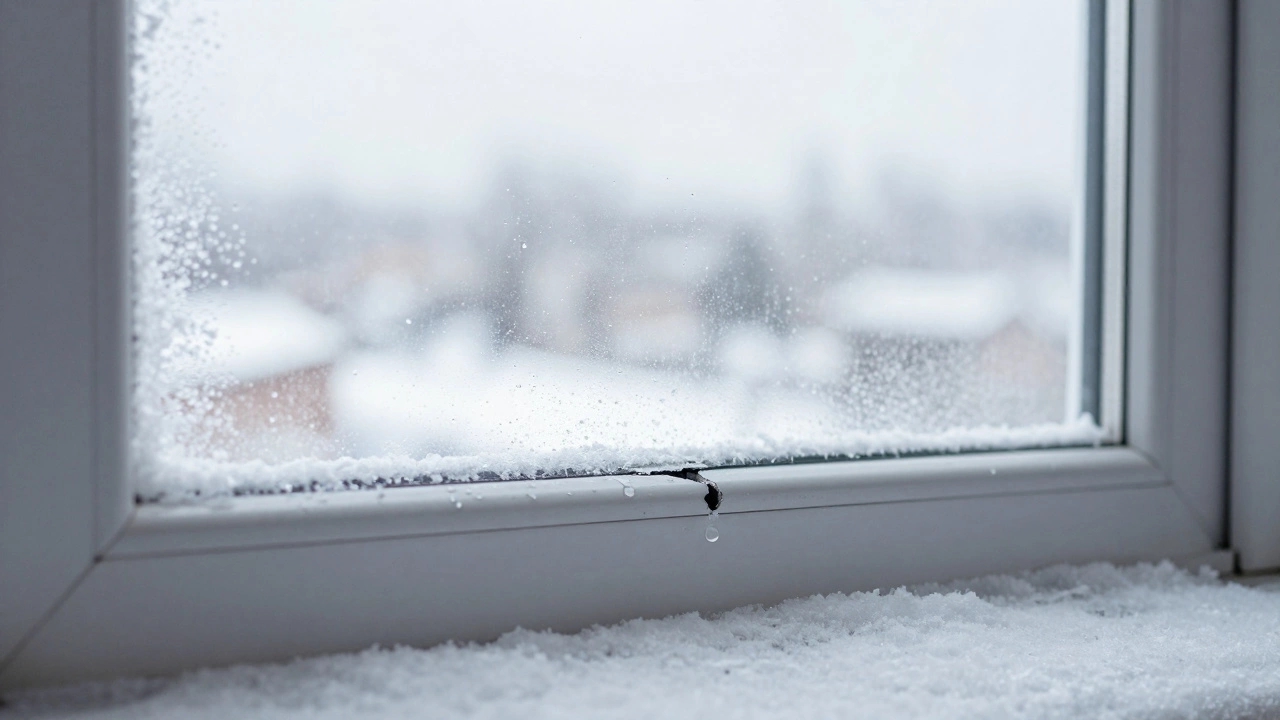
It’s March in Bristol, and you’re thinking, "I’ll clean the house before spring." But if nighttime temps are still dipping below 4°C, don’t do it. Water trapped in cracks, around windows, or under siding won’t dry out. It freezes. Then it expands. That’s how you get cracks in brick, broken sealant, and even warped window frames. Water that seeps into gaps during pressure washing turns into ice inside your walls. That’s not cleaning-that’s building a slow-motion disaster. Wait until the forecast shows consistent daytime temps above 10°C and no frost expected for at least 48 hours. Even then, avoid washing in direct sunlight. The water dries too fast, leaving streaks and mineral deposits.Your windows are cracked or poorly sealed
Pressure washing near windows is risky even on a good day. But if you’ve got a cracked pane, a loose sill, or old caulking that’s pulling away? You’re asking for trouble. The stream can force water right into your wall cavity. That’s how you get damp patches inside, peeling wallpaper, and mold behind the drywall. You might not notice it until the ceiling starts staining six months later. Test the seals first: spray a little water around the window frame with a garden hose. If it soaks in, don’t use the pressure washer nearby. Seal the gaps with silicone caulk first. Wait a week for it to cure. Then clean.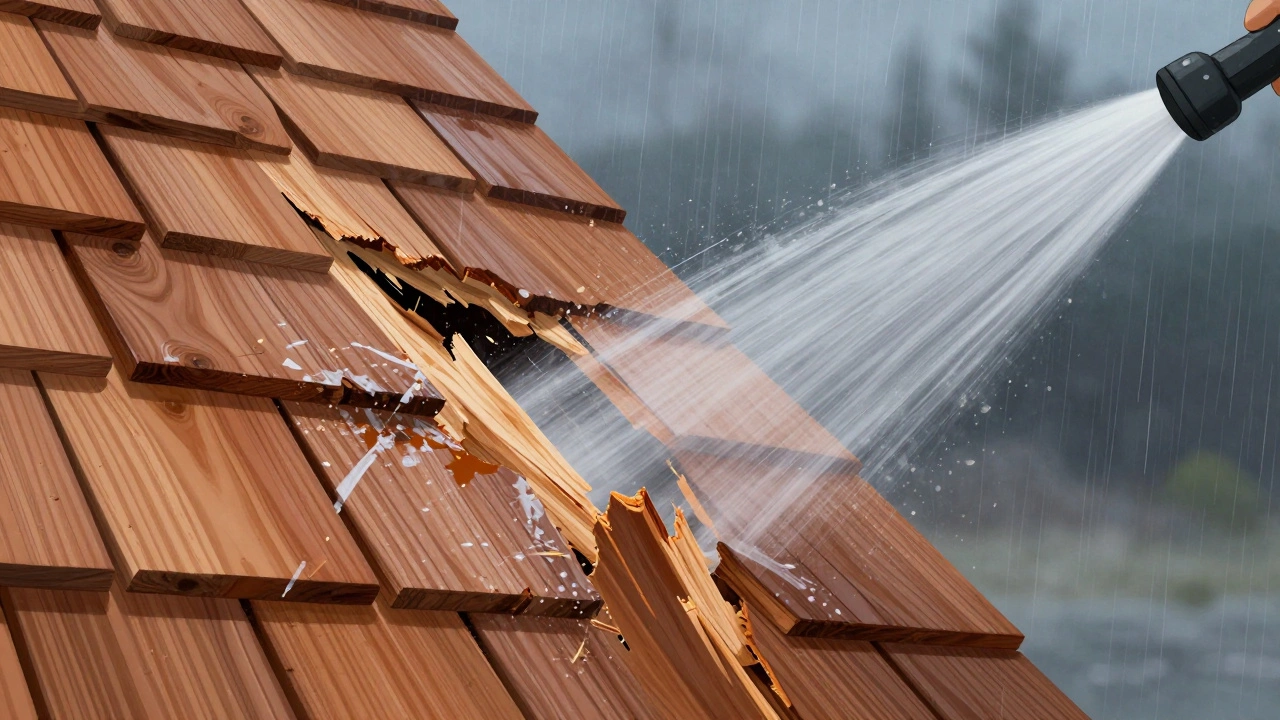
There’s a roof with asphalt shingles
This one catches people off guard. Roof cleaning? Sure. But power washing? No. Asphalt shingles are designed to shed water, not withstand high-pressure blasts. The granules on the surface protect the shingle from UV damage. Power washing strips those off. Once they’re gone, your roof ages faster. It gets brittle. It cracks. And your warranty? Probably voided. Roof cleaning companies that use pressure washers are usually cutting corners. A proper roof clean uses a low-pressure rinse (under 1,000 PSI) with an algae-killing solution. Let it sit. Rinse gently. Don’t scrub. Don’t blast. If your roof looks green or black with algae, call a pro who specializes in soft washing roofs-not pressure washing.Your house has vinyl siding with gaps or damaged panels
Vinyl siding is tough, but it’s not indestructible. If panels are warped, cracked, or not properly locked in, pressure washing can force water behind them. That water doesn’t drain. It pools. It rots the sheathing underneath. It invites termites. And if the siding is old and brittle, the stream can crack it outright. You’ll need to replace panels-and if the damage is hidden behind, you could be looking at a full siding replacement. Check your siding before you start. Push on each panel. If it moves more than a millimeter, it’s not secure. Fix the gaps first. Or skip the pressure washer entirely and use a sponge and mild detergent.You’ve just finished a recent renovation
If you’ve had new windows installed, fresh stucco applied, or new brickwork laid, wait at least 30 days before you even think about pressure washing. Concrete, mortar, and stucco need time to cure. Water pressure too soon can crack the surface or wash away the finish. Even painted trim or freshly sealed decks need time to fully harden. Wait. It’s tempting to clean everything right away, but rushing this step can undo months of work. Ask your contractor how long to wait. If they don’t know, wait 45 days. Better safe than sorry.