Window Cleaning Solution Finder
What are you trying to clean?
The Formula
Pro Technique
Select your issue above to generate a customized cleaning plan.
There is nothing more frustrating than spending twenty minutes scrubbing your windows only to step back and see a rainbow of soap scum and water spots. You might be wondering if you need to buy that expensive branded spray in the fancy bottle at the supermarket. The truth is, the best window cleaner isn't always the one with the loudest marketing. Often, it’s a simple mixture of ingredients you already have in your kitchen, paired with the right tool.
Choosing the right approach depends on what you are trying to clean. Are you dealing with hard water stains from an old hose? Bird droppings on the exterior? Or just everyday dust and fingerprints on interior panes? Each scenario requires a different chemical balance or mechanical action. This guide breaks down the top solutions, from DIY recipes to professional-grade products, so you can pick the one that fits your specific problem.
The Gold Standard: Why Squeegees Beat Sprays
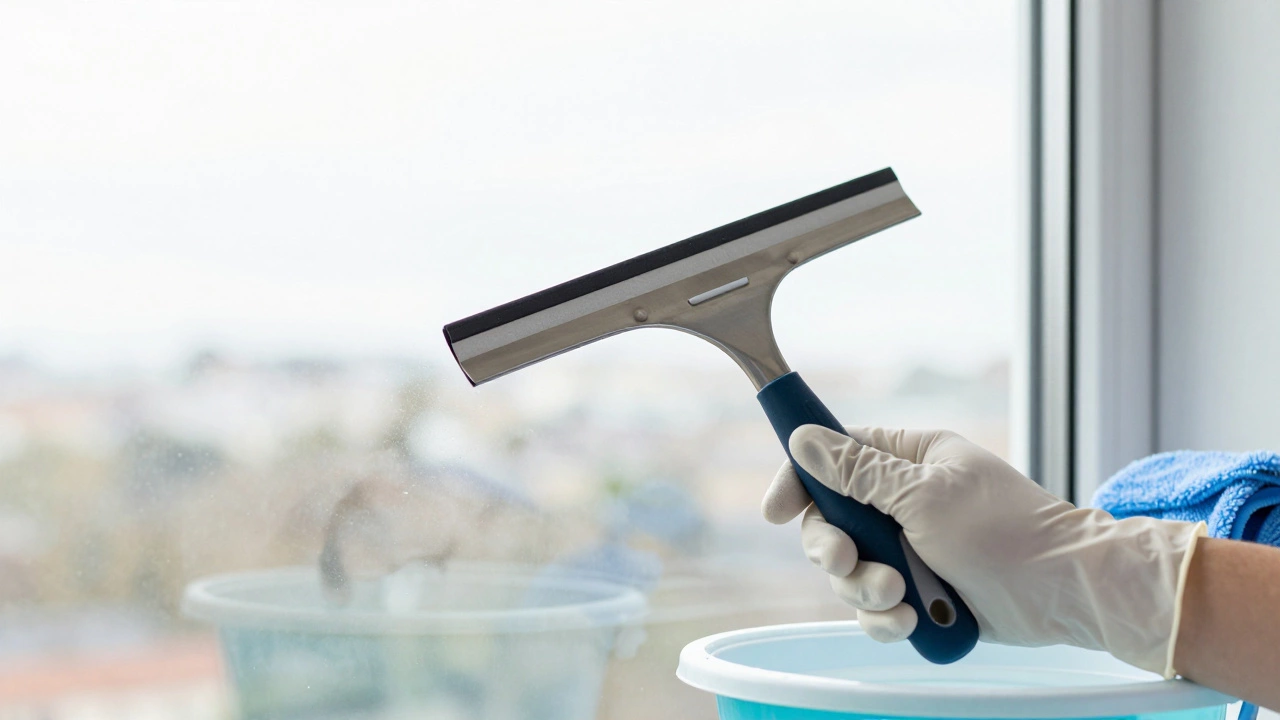
Before we talk about liquids, we need to talk about mechanics. Many people believe the "best" cleaner is a liquid formula. However, professionals know that the tool matters more than the fluid. A high-quality rubber squeegee removes dirt rather than just pushing it around. When you use a cloth or paper towel, you trap microscopic fibers and leave behind lint. A squeegee wipes the surface dry in one smooth motion, eliminating the chance for water spots to form as the solution evaporates.
To get a truly streak-free finish, follow this sequence:
- Scrub: Use a soft microfiber mitt or sponge soaked in your cleaning solution to loosen dirt. Scrub the entire pane, including the edges where grime accumulates.
- Squeegee: Start at the top corner. Pull the squeegee horizontally across the glass in an overlapping 'S' pattern. Wipe the rubber blade with a dry microfiber cloth after every single stroke.
- Detail: Use a dry microfiber cloth to wipe the edges and corners where the squeegee couldn’t reach.
This method works with any liquid, but it shines when paired with a simple vinegar solution. It reduces the amount of product needed because you aren't relying on chemicals to break down every bit of dirt; you are using physical removal.
Top DIY Solutions for Everyday Cleaning
If you want to avoid harsh chemicals and save money, homemade solutions are incredibly effective. They are also safer for the environment and your home's ventilation system.
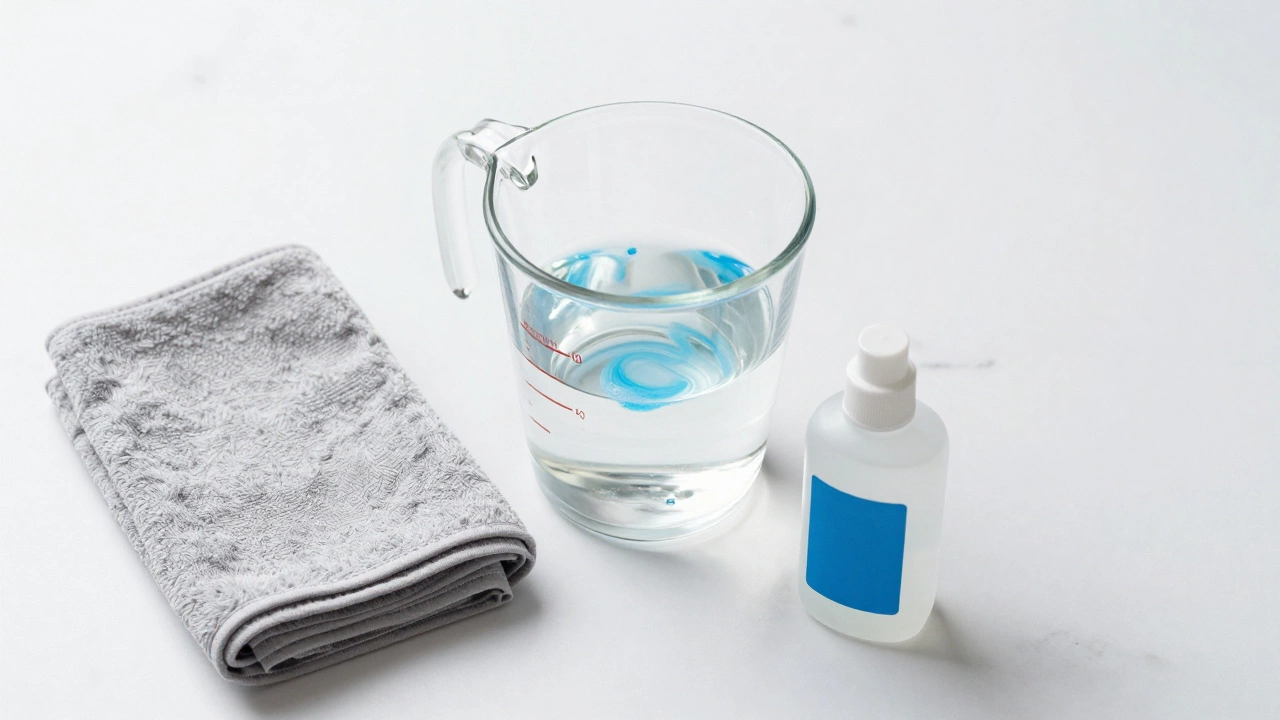
Vinegar and Water Solution is a natural acidic cleaner that cuts through grease and mineral deposits without leaving residue. White distilled vinegar has a pH of around 2.5, making it strong enough to dissolve soap scum but safe for most glass types. Mix one part white vinegar with four parts warm water. Add a drop of dish soap if you are dealing with oily fingerprints. This mixture is cheap, non-toxic, and leaves no scent once it dries.
Another excellent option is rubbing alcohol. For quick touch-ups on interior windows, mix equal parts isopropyl alcohol (70% concentration) and water. Alcohol evaporates faster than water, which means less chance of streaks forming before you can wipe them away. This is particularly useful in humid climates like Bristol, where moisture lingers longer on surfaces.
For those who prefer a commercial feel without the cost, newspaper remains a classic trick. The ink acts as a mild abrasive, and the paper structure holds polish well. However, this works best with black-and-white newsprint and may not be suitable for tinted windows or delicate coatings.
When to Buy Commercial Products
Sometimes, DIY isn't enough. If you are dealing with heavy industrial grime, salt spray from coastal areas, or persistent hard water stains, you might need specialized chemistry. Here are three categories of commercial cleaners worth considering:
| Product Type | Best For | Key Ingredients | Pros & Cons |
|---|---|---|---|
| Ammonia-Based Spray | Grease and heavy grime | Ammonia, surfactants | Pro: Cuts grease instantly. Con: Strong fumes; unsafe for tinted windows or cat owners (ammonia smells like urine to cats). |
| PVA Coating Cleaner | Long-lasting shine | Polymers, solvents | Pro: Leaves a protective layer that repels water and dust for weeks. Con: Can build up over time; harder to remove if you switch methods. |
| Acidic Descaler | Hard water stains | Citric acid, phosphoric acid | Pro: Dissolves calcium and lime deposits. Con: Corrosive to metal frames; requires gloves and eye protection. |
If you choose an ammonia-based cleaner, ensure the room is well-ventilated. Never mix ammonia with bleach, as this creates toxic chloramine gas. For eco-conscious users, look for brands certified by EcoLogo or Green Seal, which verify that the product is biodegradable and free from volatile organic compounds (VOCs).
Tools That Make a Difference
Your cleaning solution is only half the battle. Using the wrong applicator can ruin even the best product. Here’s what you should have in your kit:
- Microfiber Cloths: Choose cloths with a high GSM (grams per square meter) rating, ideally 300 GSM or higher. These are dense enough to hold moisture and lift dirt without scratching. Avoid terry cloth towels, which shed fibers.
- Sponge Applicator: A large, absorbent sponge allows you to apply solution evenly across the whole pane quickly. It prevents the "dry spot" effect where cleaner evaporates before you can wipe it.
- Rubber Squeegee: Invest in a replaceable-blade squeegee. Cheap plastic blades warp and leave channels of water. Look for a stainless steel channel with a natural rubber blade. Replace the rubber every six months or when it starts to tear.
- Extension Pole: For second-story windows, a telescopic pole lets you reach heights safely without a ladder. Attach a bucket and squeegee head to the pole for a seamless workflow.
A common mistake is using the same cloth for the frame and the glass. Frames often contain silicone sealant or paint that can transfer onto the glass. Always keep a separate, clean cloth for detailing the edges.
Troubleshooting Common Issues
Even with the best products, you might encounter stubborn problems. Here’s how to fix them:
Streaks caused by sunlight: If you clean windows in direct sun, the cleaner dries too fast, leaving residue. Always clean on a cloudy day or in the shade. If you must clean in the sun, work in small sections and wipe immediately.
Cloudy film: This is usually caused by mineral buildup from hard water. Regular vinegar won’t cut it. Use a dedicated descaler or a paste made from baking soda and water. Apply the paste, let it sit for five minutes, then scrub gently with a non-abrasive pad. Rinse thoroughly.
Smudges reappearing quickly: If your windows get dirty again within days, check your air filtration. Dust from HVAC systems or cooking grease can coat windows rapidly. Installing a HEPA filter or using a PVA coating cleaner can extend the time between cleanings.
Safety First: Protecting Your Home and Health
Window cleaning involves working at heights and handling chemicals. Safety should never be an afterthought. If you are cleaning exterior windows above ground level, use a sturdy ladder with stabilizers. Never stand on the top rung. Consider hiring a professional for multi-story homes; many companies use water-fed poles with purified water, which eliminates the need for ladders entirely.
When using chemical cleaners, wear nitrile gloves to protect your skin from irritation. Ensure windows are open to ventilate fumes. Store all cleaning products out of reach of children and pets. Remember, just because a product is labeled "natural" doesn't mean it's harmless-essential oils, for example, can be toxic to dogs and cats if ingested or absorbed through the skin.
Maintaining Clear Glass Year-Round
The key to easy window cleaning is prevention. Clean your windows regularly, at least once a month, to prevent grime from building up. During spring and autumn, do a deep clean to remove pollen and winter road salt. In summer, focus on interior windows to manage condensation and fingerprints. In winter, clear snow and ice from frames before attempting to clean the glass to avoid cracking.
Consider applying a rain-repellent coating like those used on cars. These hydrophobic treatments cause water to bead up and roll off, taking dirt with it. This makes future cleanings faster and easier. Just test the product on a small area first to ensure it doesn't damage the sealant or frame material.
Ultimately, the best window cleaner is the one that gets the job done efficiently and safely. Whether you opt for a bucket of vinegar and water or a premium commercial spray, pairing it with a good squeegee and proper technique will give you crystal-clear results every time.
Is vinegar better than commercial window cleaner?
Vinegar is often superior for everyday cleaning because it is inexpensive, eco-friendly, and leaves no chemical residue. Its acidity effectively cuts through light grease and mineral deposits. However, for heavy industrial grime or severe hard water stains, commercial acidic descakers may be more effective. Vinegar is also safer for tinted windows, whereas some ammonia-based commercial cleaners can damage tint films.
Why do my windows still have streaks after cleaning?
Streaks are usually caused by drying too quickly, using too much cleaner, or dirty tools. If you clean in direct sunlight, the solution evaporates before you can wipe it, leaving residue. Ensure you are wiping the squeegee blade dry after every pass. Also, check your microfiber cloths-if they are old or washed with fabric softener, they will leave lint and oils on the glass.
Can I use Windex on tinted windows?
Most standard Windex formulas contain ammonia, which can degrade and bubble window tint film over time. Always check the label for "ammonia-free." If you are unsure, stick to a mild soap and water solution or a vinegar mix. For tinted windows, gentle application with a soft microfiber cloth is crucial to avoid scratching the film.
How often should I clean my windows?
Aim for a thorough clean every three to six months, depending on your location. Homes near busy roads, construction sites, or coastlines may need monthly cleaning due to dust, salt, and pollution. Interior windows with high traffic, such as kitchen and bathroom panes, should be wiped down weekly to remove fingerprints and steam residue.
What is the best way to remove hard water stains from glass?
Hard water stains are mineral deposits that require acid to dissolve. Start with a paste of baking soda and water or a commercial descaler containing citric or phosphoric acid. Apply the product, let it sit for 5-10 minutes, then scrub gently with a non-abrasive pad. Rinse thoroughly with clean water and squeegee dry. For severe cases, repeat the process or consult a professional.