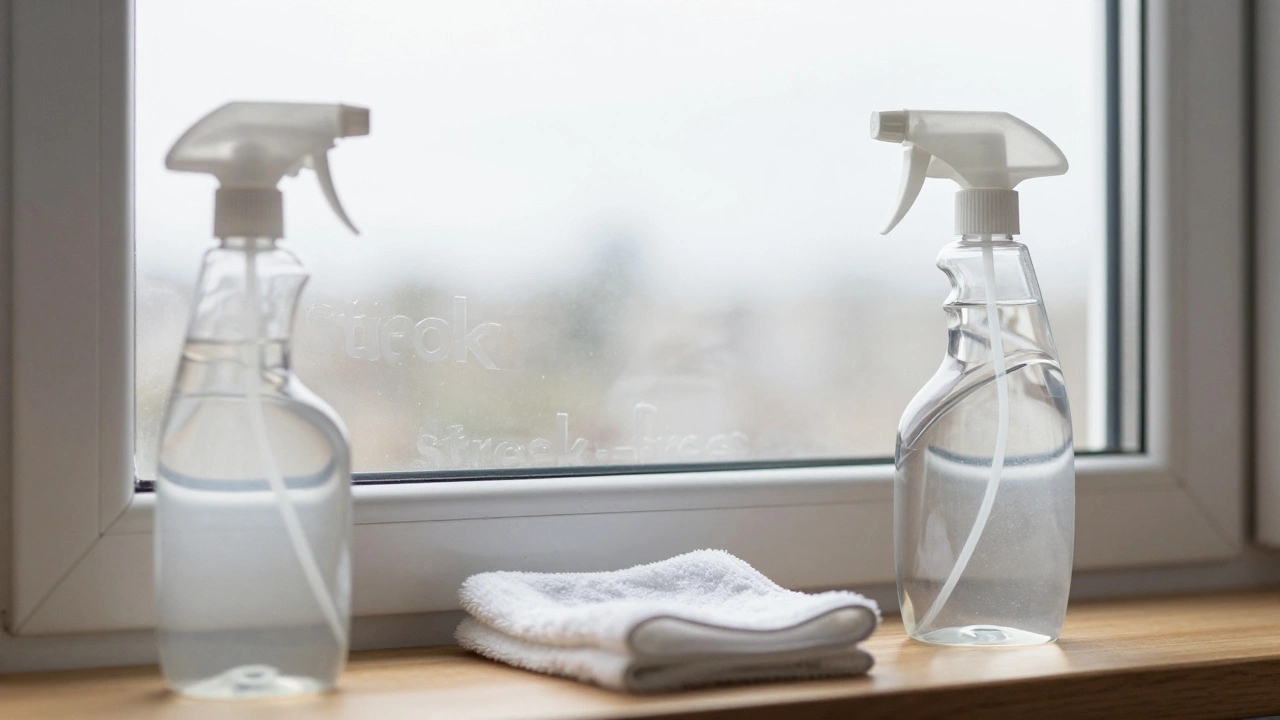
Window Cleaning Solution Calculator
Generate the perfect DIY recipe based on your specific cleaning needs.
What are you trying to clean?
How fast do you need it to dry?
Select your conditions above to generate a safe, effective, and streak-free recipe tailored to your situation.
Ingredients
Instructions
Pro Tips:
There is nothing more frustrating than spending twenty minutes scrubbing your windows only to step back and see a rainbow of smears, streaks, and water spots staring back at you. You wipe it again. It gets worse. You try a different cloth. Still messy. If you have ever felt this specific type of domestic despair, you are not alone. The quest for crystal-clear glass is one of the oldest battles in home maintenance.
The internet is flooded with conflicting advice. Some swear by newspaper; others claim dish soap is the holy grail. Then there are the commercial sprays that cost a fortune but leave behind a chemical film. So, what is actually the best ingredient to clean windows? The answer isn't just one magic powder. It depends on whether you want eco-friendly results, industrial strength, or something you can make in ten seconds using items already in your kitchen cupboard.
The Gold Standard: Why Vinegar Works
If you ask professional cleaners about their go-to DIY secret, white distilled vinegar usually comes up first. But why? It’s not just because it smells like salad dressing (though that dissipates quickly). It’s chemistry. Vinegar is acetic acid, typically around 5% acidity. This mild acid breaks down alkaline deposits, which are exactly what cause those stubborn streaks. Hard water leaves behind minerals like calcium and magnesium. Soap scum is alkaline. Fingerprints contain oils and salts. Acetic acid dissolves these residues without leaving a heavy residue itself.
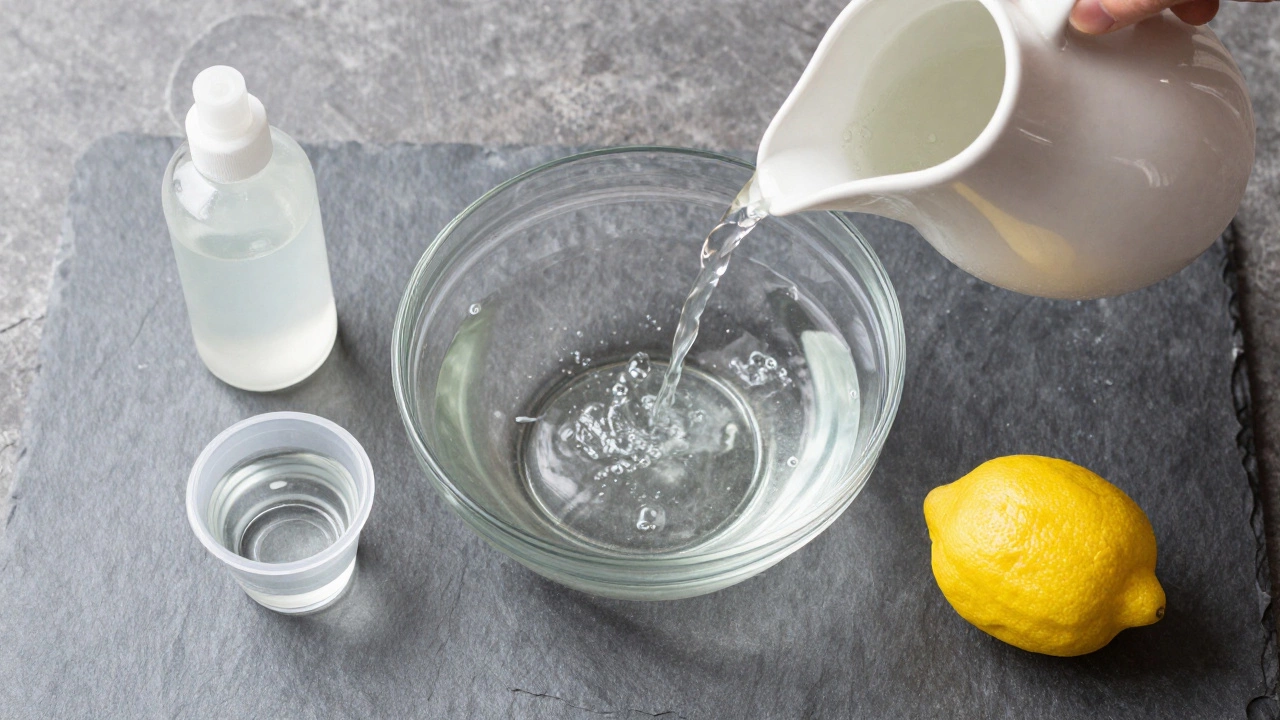
To use it effectively, you need the right ratio. Pure vinegar is too strong and can damage window seals over time. A standard mixture is one part white vinegar to four parts warm water. Warm water helps dissolve dirt faster than cold water. Mix it in a spray bottle, apply it generously, and let it sit for thirty seconds before wiping. This dwell time allows the acid to work its magic on the mineral buildup.
| Ingredient | Best For | Drying Speed | Eco-Friendly? | Cost |
|---|---|---|---|---|
| White Vinegar | Mineral deposits, general grime | Fast | Yes | Low |
| Dish Soap | Oily fingerprints, bird droppings | Slow (can streak) | Moderate | Low |
| Isopropyl Alcohol | Grease, quick drying | Very Fast | No | Medium |
| Ammonia | Heavy industrial grime | Fast | No | Low |
The Surprising Power of Dish Soap
Vinegar handles minerals, but it struggles with grease. If your windows face a busy road or are covered in bird droppings, you are dealing with organic oils. Acid doesn’t break down oil well; surfactants do. This is where dish soap enters the conversation. Brands like Dawn or Fairy are designed to cut through kitchen grease. They lift oils off the surface so they can be rinsed away.
However, dish soap has a major flaw: it leaves a film. If you use too much, or if you don’t rinse thoroughly, the soap dries into a sticky haze that attracts more dust. The trick is dilution. Use only a few drops of dish soap per gallon of water. Just enough to create a slight suds when you shake the bottle. Never use more than a teaspoon per liter. After spraying, you must rinse the window with clean water before drying. Skipping the rinse step is the number one reason people blame dish soap for streaking. It’s not the soap’s fault; it’s the lack of rinsing.
Alcohol: The Secret Weapon for Speed
If you live in a humid climate or hate waiting for windows to dry, isopropyl alcohol (rubbing alcohol) is your best friend. Alcohol evaporates incredibly fast. This rapid evaporation means there is less time for dirt to settle back onto the glass as streaks. It also cuts through grease better than water alone.
A common professional mix involves one cup of rubbing alcohol (70% concentration), one tablespoon of white vinegar, and two cups of warm water. The alcohol speeds up drying, while the vinegar tackles hard water spots. This combination is particularly effective for interior windows or mirrors where you want instant clarity. Be cautious with vinyl frames, though. High concentrations of alcohol can degrade certain plastics over time. Stick to the glass surface and avoid soaking the frame.
Why Ammonia Is Risky Despite Its Reputation
You will often see ammonia recommended in older cleaning guides. It is undeniably powerful. Ammonia breaks down tough grime and evaporates cleanly. However, it comes with significant risks. First, the fumes are harsh and can irritate eyes and lungs. Second, and more importantly, ammonia destroys tinted windows. If you have automotive window tint or energy-efficient residential tint, ammonia will bubble and peel the film within days. It can also damage anodized aluminum frames, causing corrosion.
Unless you are cleaning bare, untinted glass in a well-ventilated area, skip the ammonia. Modern alternatives like vinegar and alcohol provide similar cleaning power without the health hazards or material damage risks.
The Tool Matters More Than the Liquid
Here is the uncomfortable truth: you can have the perfect cleaning solution, but if you use the wrong tool, you will still get streaks. Most people use paper towels or old t-shirts. Both are problematic. Paper towels disintegrate when wet, leaving tiny fibers stuck to the glass. Cotton t-shirts shed lint and often hold moisture unevenly, leading to water spots.
The industry standard for professionals is microfiber. Specifically, a high-quality, plush microfiber cloth. Microfiber fibers are split during manufacturing, creating a massive surface area that traps dirt and moisture rather than pushing it around. For the best results, use two cloths. One damp cloth to apply the solution and loosen dirt, and one completely dry cloth to buff the glass to a shine. Buffing is the key step most people skip. You aren’t just wiping away liquid; you are polishing the surface to remove microscopic water droplets.
Squeegees are another excellent option, especially for large panes. A rubber-bladed squeegee removes water in a single swipe, eliminating the chance for streaks entirely. The technique matters here too. Overlap each stroke slightly and wipe the blade with a dry cloth after every pass. If you miss a spot, go back and fix it immediately. Once the water dries, it’s too late.
Timing and Weather Conditions
Even with the right ingredients and tools, timing can ruin your efforts. Have you ever cleaned windows on a hot, sunny day, only to find them streaky five minutes later? That’s because the sun dries the cleaning solution too quickly. Before the liquid can dissolve the dirt, it evaporates, leaving the grime behind in a concentrated pattern.
The ideal conditions for window cleaning are cloudy, cool days. The slower evaporation rate gives your solution time to work. If you must clean in the sun, work in small sections and shade the window with your body or a board until you finish buffing. Also, consider the season. In winter, condensation inside the house can fog up freshly cleaned exterior windows. In summer, pollen sticks to wet glass instantly. Plan accordingly.
Special Cases: Hard Water and Exterior Grime
If you live in an area with hard water, you might notice white, crusty spots that vinegar won’t fully remove. These are heavy mineral deposits. For these, you may need a dedicated descaler containing citric acid or phosphoric acid. Apply it, let it sit for a minute, and rinse thoroughly. Avoid abrasive scrubs, as they can scratch the glass, making it harder to clean in the future.
For exterior windows, you’re fighting pollution, tree sap, and insect residue. Start by rinsing the window with plain water to remove loose dirt. Scrubbing dry dirt creates mud that scratches the glass. Then apply your cleaning solution. For stubborn bugs, let the solution sit longer-up to two minutes-to break down the chitin in their exoskeletons. A soft-bristled brush can help agitate the dirt without scratching.
DIY Recipe vs. Commercial Products
Should you buy a branded window cleaner? Commercial products often contain surfactants, solvents, and fragrances. They are convenient and consistent. However, many contain volatile organic compounds (VOCs) that contribute to indoor air pollution. DIY solutions are cheaper, safer for pets and children, and environmentally friendly. The performance gap between a good DIY mix and a premium store-bought cleaner is negligible for most household needs. Save your money and stick to vinegar, water, and maybe a drop of soap.
Can I use Windex instead of homemade solutions?
Yes, Windex is effective for most household windows. However, it contains ammonia and synthetic fragrances, which can be harmful to tinted windows and sensitive individuals. Homemade vinegar solutions are safer for tinted glass and the environment, offering comparable cleaning power for everyday grime.
Why do my windows streak even after cleaning?
Streaks are usually caused by three things: using too much soap, not rinsing properly, or using a dirty cloth. Ensure your cleaning solution is diluted correctly, rinse with clean water if using soap, and always use a fresh, lint-free microfiber cloth for the final buffing.
Is it safe to clean windows in direct sunlight?
No, cleaning in direct sunlight is not recommended. The heat causes the cleaning solution to evaporate too quickly, leaving behind streaks and residue before you can wipe it away. Choose a cloudy day or clean early in the morning or late in the evening when the sun is low.
How often should I clean my windows?
Most homes benefit from cleaning windows twice a year, typically in spring and fall. If you live near a construction site, busy road, or wooded area, you may need to clean them quarterly to remove pollen, dust, and pollution buildup.
Can I use newspaper to clean windows?
Newspaper was a popular method decades ago because the ink helped polish the glass. However, modern newsprint uses different inks that can smear and stain windows. Plus, the paper disintegrates easily. Microfiber cloths are far more effective and hygienic today.