DIY "Gas Station" Window Cleaner Calculator
Replicate the fast-drying, streak-free formula used by gas stations. Enter the amount of distilled water you have available to calculate the precise ratios for alcohol and soap.
Select options and click Calculate to see your recipe.
Pro Tip from the Article
Remember: Speed matters more than strength. The alcohol evaporates quickly, preventing mineral deposits. Always use distilled water to avoid hard water spots, and clean on cloudy days or in shade to prevent premature drying before you can squeegee.
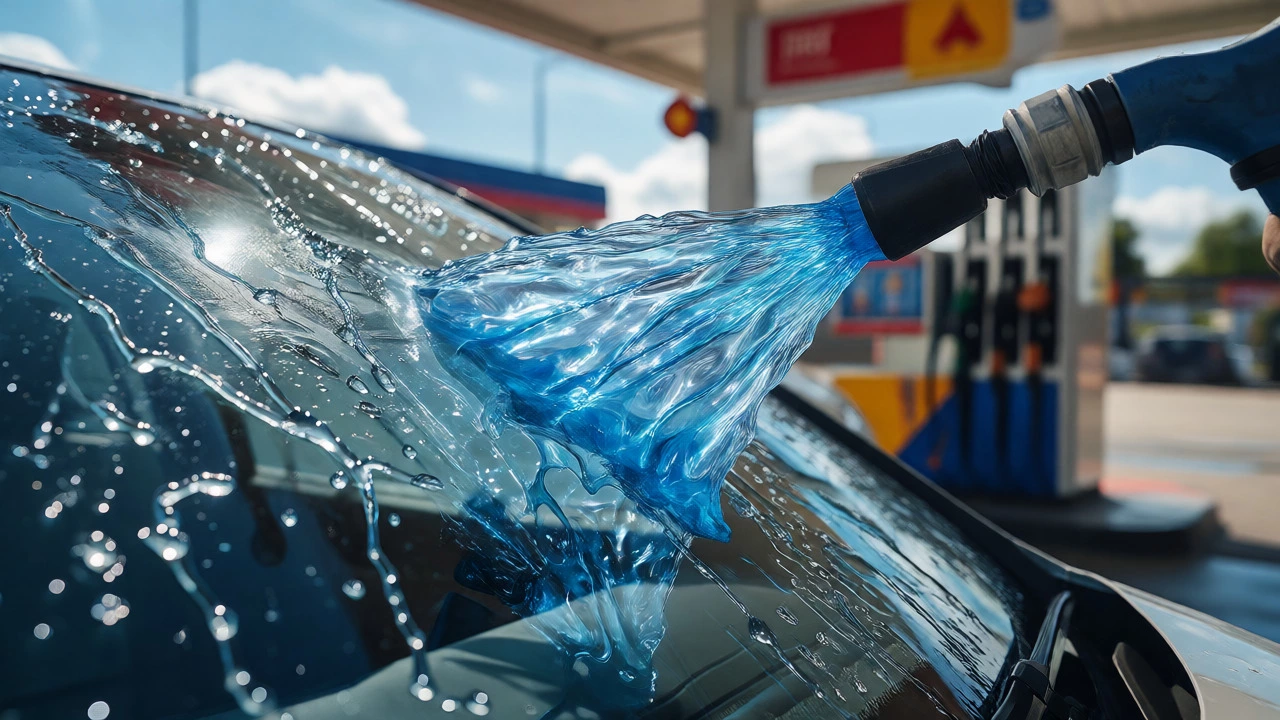
You’ve been there. You pull up to the pump, hit the button for the squeegee, and watch as a mysterious blue or green liquid sprays onto your windshield. It wipes away instantly, leaving zero streaks. You try the same trick at home with a bottle of supermarket glass cleaner, and you’re left staring at blurry patches and lint trails. Why does the stuff at the petrol station work so well? Is it magic? No. It’s chemistry, but not the kind that requires a PhD to understand.
Most people assume gas stations use some secret industrial formula they can’t buy off the shelf. The reality is simpler, yet slightly annoying if you want to replicate it exactly. They don’t just use one thing. They use a mix designed for speed, temperature resilience, and minimal residue. If you want that showroom shine on your home windows without paying for a professional service every month, you need to know what’s actually in that nozzle.
The Core Ingredient: It’s Not Just Water
If you look closely at the spray from a typical forecourt jet, you’ll notice it doesn’t bead up like plain water. It sheets off the glass. That’s because window cleaning solution used in high-volume commercial settings relies heavily on surfactants that lower surface tension drastically faster than household brands. But the real hero isn’t always the soap. In many regions, especially where winters get cold, the base isn’t just tap water. It’s often diluted windshield washer fluid.
Yes, the same blue jug you buy for your car reservoir. Why? Because standard glass cleaners contain ammonia or vinegar, which can freeze or leave residues when sprayed under pressure in cold air. Windshield washer fluid contains methanol or ethanol, which evaporates incredibly quickly. This rapid evaporation is key. When you wipe a wet pane, the goal is to remove the dirt before the water dries on its own. If the water dries first, it leaves mineral deposits-those white spots you hate. Alcohol-based fluids prevent this by ensuring the liquid lifts the grime and vanishes almost simultaneously.
| Ingredient | Role in Solution | Typical Concentration | Pros | Cons |
|---|---|---|---|---|
| Isopropyl Alcohol (70-90%) | Fast drying, degreasing | 10-20% | No streaks, cuts through grease | Strong smell, flammable |
| Distilled Water | Solvent base | 80-90% | No mineral spots | Costlier than tap water |
| Dish Soap (e.g., Dawn) | Lifting agent | A few drops per gallon | Cheap, effective on dust | Can leave film if overused |
| Ammonia-Free Glass Cleaner | General purpose | N/A (Pre-mixed) | Convenient, safe for tints | Slower drying time |
Why Speed Matters More Than Strength
Think about the workflow at a busy station. A driver pulls up, pays, gets out, grabs the squeegee, and has maybe two minutes to clean the entire car while waiting for the tank to fill. There is no time to scrub. There is no time to wait for a heavy-duty degreaser to soak. The solution must cut through road film-which is a mix of exhaust particulates, bug guts, and oil mist-instantly.
This is why many operators switch from traditional ammonia-based cleaners to alcohol-heavy mixes. Ammonia is great at cutting grease, but it lingers. Alcohol flies off. If you are trying to mimic this at home, stop buying "streak-free" sprays that rely on slow-drying polymers. Instead, look for solutions labeled "fast-drying" or make your own. A common pro tip among mobile detailers is mixing one part isopropyl alcohol to three parts distilled water, with just a drop of dish soap. The alcohol ensures the moisture disappears before gravity can pull it down into drips.
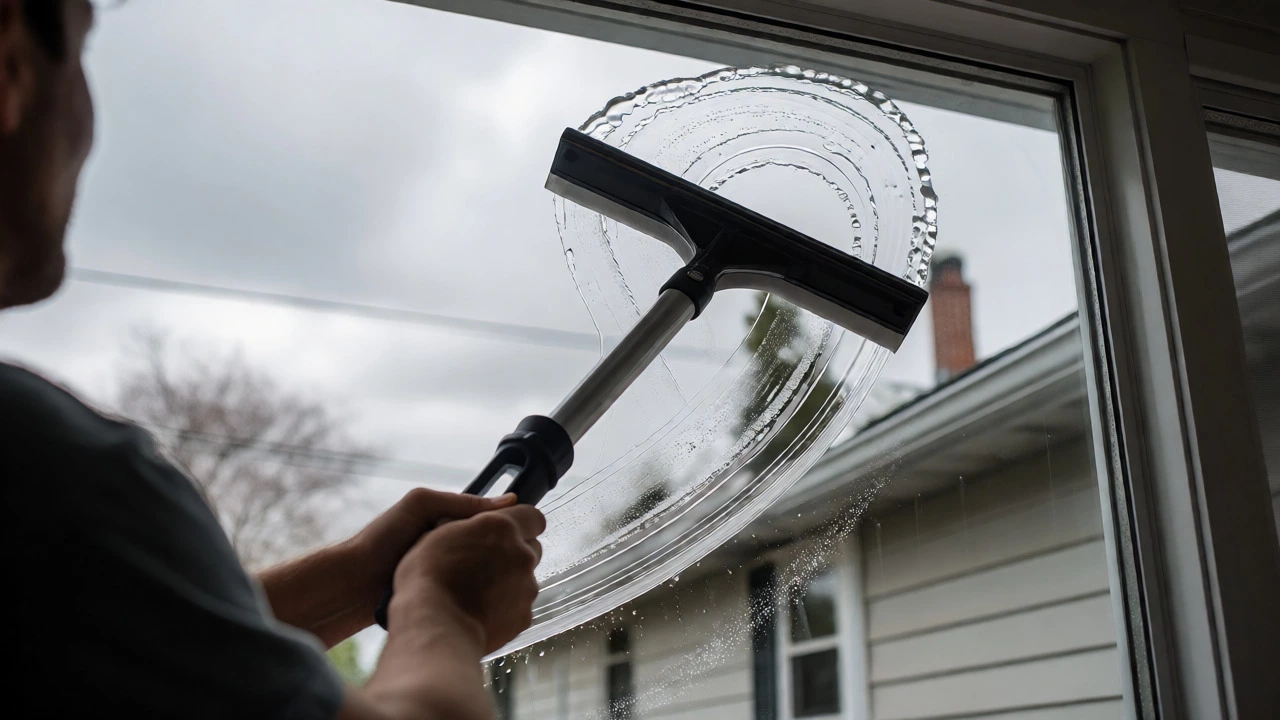
Another factor is the tool itself. Gas stations use large rubber-blade squeegees attached to long poles. These aren't just for reach; they are designed to push water off the glass rather than absorb it. Microfiber cloths, popular in homes, actually trap moisture. If you use a cloth on a hot day, the water evaporates *into* the cloth and back onto the glass, causing streaks. The squeegee forces the dirty water away immediately. So, if you want gas-station results, you might need to rethink your wiping technique, not just your fluid.
The Hidden Additives: Dyes and Fragrances
Ever wonder why the fluid is bright blue or neon green? It’s rarely for functional reasons. Pure alcohol and water are clear. The color is marketing psychology. Bright colors signal "clean" and "fresh" to consumers. It also helps drivers see where they’ve already sprayed, preventing missed spots. Some premium stations add a mild fragrance, often citrus or pine, to mask the chemical smell of the solvents.
However, be careful with dyes if you’re replicating this at home. Cheap dyes can sometimes stain porous surfaces like granite sills or wooden frames if they sit too long. Professional-grade concentrates used in commercial dispensers are formulated with non-staining dyes. If you’re mixing your own batch for home use, stick to clear solutions or use food-safe coloring sparingly. You don’t want your kitchen windows looking like a science experiment gone wrong.
There’s also the issue of hardness. Tap water varies wildly depending on where you live. In Bristol, for example, the water is moderately hard. If you fill a homemade sprayer with straight tap water, you’re introducing calcium and magnesium ions. When the water evaporates, those minerals stay behind as white crust. Gas stations often use filtered or softened water in their bulk tanks to prevent scale buildup in the pumps themselves. For your home setup, using distilled water is a small cost that saves hours of buffing later.
DIY Recipe: How to Make Your Own "Gas Station" Mix
You don’t need to buy industrial drums of solvent. You can create a highly effective, streak-free cleaner in your kitchen sink. Here is a proven recipe used by many independent car wash owners:
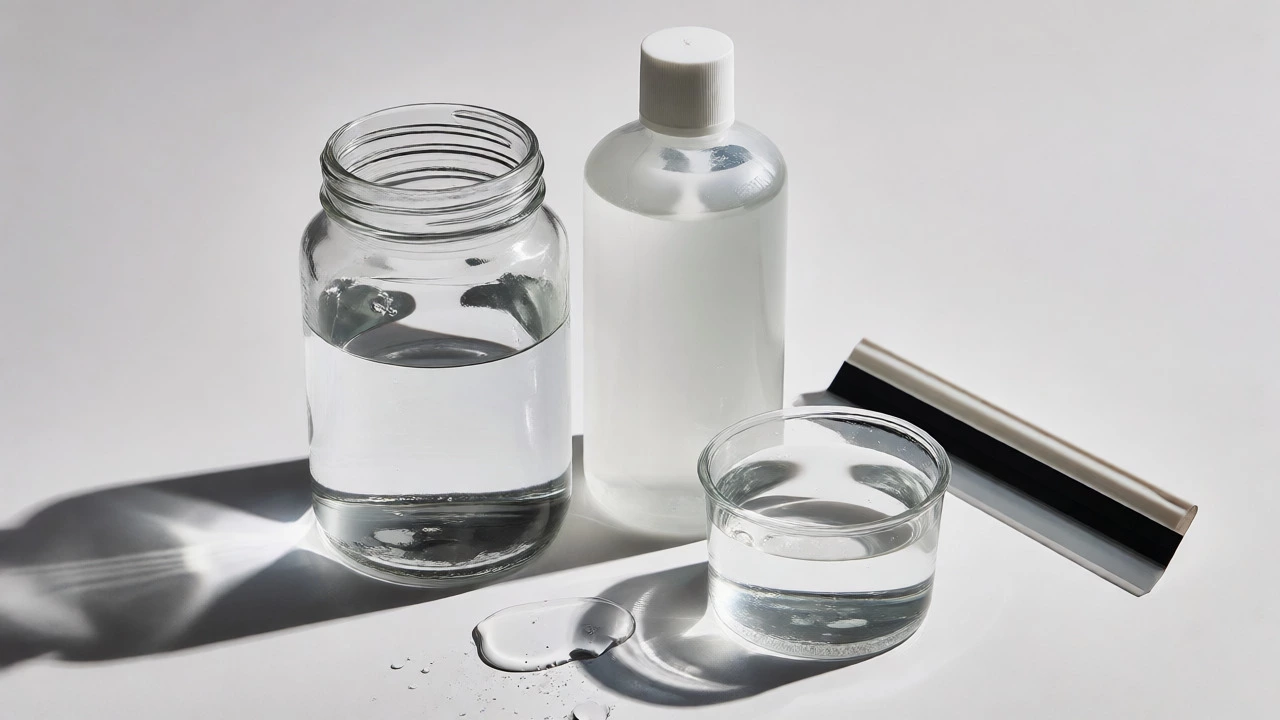
- 1 Gallon of Distilled Water: Do not skip this. Hard water is the enemy of clarity.
- 1 Cup of Isopropyl Alcohol (90%): Higher concentration means faster drying. 70% works but is slower.
- 1 Teaspoon of Dish Soap: Use a clear, low-suds variety. Too much soap creates foam that obscures your view and leaves residue.
- Optional: 1 Tablespoon of White Vinegar: Helps dissolve sticky sap or bird droppings, but adds a strong odor.
Mix these in a bucket. Dip your squeegee or microfiber mitt into the solution, wring it out until damp-not dripping-and apply to the glass. Follow immediately with a dry squeegee or a waffle-weave microfiber towel. The alcohol will do the heavy lifting on the drying front, while the soap lifts the dust. This mix costs pennies compared to branded sprays and performs better in humid conditions where regular cleaners struggle to dry.
When NOT to Copy the Gas Station Method
While the gas station approach is fantastic for cars, it’s not always ideal for your house. First, consider the environment. Alcohol-based cleaners emit volatile organic compounds (VOCs). Using them indoors, especially in poorly ventilated rooms, can cause headaches or respiratory irritation. If you’re cleaning interior windows, stick to vinegar-and-water or commercial ammonia-free sprays. Save the alcohol mix for exterior panes.
Second, think about your window seals. Older double-glazed units have rubber gaskets that can degrade if exposed to harsh solvents repeatedly. Methanol and high-concentration isopropanol can dry out rubber over years of use. For modern uPVC windows, this is less of an issue, but for heritage homes with leaded lights or wooden frames, test a small area first. You don’t want to strip the varnish while trying to clean the glass.
Finally, consider the weather. Gas station jets are powerful. They blast water at high pressure. At home, you likely have a garden hose or a simple trigger sprayer. Without that pressure, you can’t rinse off the soap as effectively. If you use too much soap in your DIY mix and don’t rinse thoroughly, you’ll end up with a hazy film. The golden rule: less soap, more rinsing.
Pro Tips for Streak-Free Results
Even with the perfect fluid, technique matters. Here are three rules that separate amateurs from pros:
- Clean on Cloudy Days: Sunlight heats the glass, causing the cleaner to dry before you can wipe it. This guarantees streaks. Wait for overcast skies or clean early morning/evening.
- Use Two Towels: One for applying the solution, one strictly for drying. Never let the "wet" towel touch the finished glass. Swap towels frequently as they get saturated.
- The S-Shine Technique: Start at the top corner, pull the squeegee horizontally across, then pull diagonally downward. Wipe the blade after every stroke. This prevents dragging dirty water back onto clean areas.
By understanding the chemistry behind the blue spray at the pumps, you can stop guessing and start cleaning with confidence. It’s not about expensive gadgets; it’s about matching the right solvent to the right condition. Next time you’re at the station, take a closer look at that nozzle. You’ll realize the secret was never hidden-it was just waiting for you to ask the right questions.
Do gas stations use the same fluid as my car's washer bottle?
Often, yes. Many stations dispense a diluted version of standard windshield washer fluid for their external cleaning jets. However, some use a specialized mix with higher alcohol content for faster evaporation and added surfactants for better grease cutting. Always check the label if available, but assume it's similar to what you'd buy for your vehicle.
Can I use window cleaner on my car's paintwork?
Be cautious. While occasional contact won't ruin modern clear coats, frequent exposure to ammonia or high-alcohol cleaners can strip wax and sealants. It's best to keep the cleaner focused on the glass and trim. If you're washing the whole car, use a dedicated pH-neutral car shampoo instead.
Why does my homemade window cleaner leave streaks?
Streaks usually come from three things: using tap water (mineral deposits), too much soap (residue), or cleaning in direct sunlight (premature drying). Switch to distilled water, reduce the soap amount, and clean on cloudy days to fix this.
Is isopropyl alcohol safe for tinted windows?
Generally, yes, but use it sparingly. High concentrations of alcohol can potentially damage older adhesive films if applied excessively. For new tints, a gentle ammonia-free cleaner is safer. Always test a small corner first.
How do I clean the inside of my car windows without streaks?
The inside accumulates oily haze from skin products and dashboard plastics. Use a mixture of vinegar and water or a dedicated automotive glass cleaner. Apply to a microfiber cloth, not directly to the glass, to avoid overspray on electronics. Buff with a second dry cloth.