End of Tenancy Cleaning Checklist
Follow the golden rule: Clean from Top to Bottom, Left to Right. Check off tasks in order to ensure gravity works for you, not against you.
You’ve packed your boxes, handed back the keys, and you’re ready for a fresh start. But there’s one hurdle standing between you and your full deposit refund: the end of tenancy cleaning inspection. Most tenants panic about scrubbing toilets or polishing taps, but they miss the single principle that separates a failed inspection from a passed one. It isn’t about using the most expensive bleach or the shiniest sponge. It is about order.
The basic rule of cleaning-especially when you are trying to satisfy a strict letting agent-is simple: Clean from top to bottom, and left to right. Sounds obvious? You’d be surprised how many people ignore this, then wonder why their floors are dirty again five minutes after mopping them. If you vacuum the carpet before dusting the ceiling fans, gravity wins every time. Dust falls. Dirt drops. If you clean out of sequence, you are essentially doing the job twice.
| Scenario | Action Sequence | Result |
|---|---|---|
| Inefficient Method | Mop floor → Dust shelves → Vacuum rug | Floor gets dusty again; rug re-soils clean floor. |
| Efficient Method | Dust ceiling/lights → Wipe shelves → Vacuum → Mop | All debris lands on uncleaned surfaces; final step captures everything. |
Why Gravity Is Your Biggest Enemy (And Best Friend)
Think about physics for a second. When you wipe down a high cupboard door, crumbs and grease don’t vanish into thin air. They fall onto the counter below. If you have already cleaned that counter, you now have to clean it again. If you haven’t cleaned it yet, you just saved yourself fifteen minutes of frustration.
This applies to every room. In the kitchen, start with the extractor fan and the tops of cabinets. Then move to the inside of the cupboards. Next, tackle the countertops and appliances. Finally, clean the sink and the floor. By the time you reach the floor, all the heavy lifting is done. The floor catches the last bits of debris, and when you mop, you leave behind a spotless surface that stays spotless because nothing above it will drop anything else.
Letting agents in Bristol and across the UK often use specific checklists provided by organizations like the Deposit Protection Scheme. These lists are rigorous. They expect no dust on light fixtures, no grease on cabinet fronts, and no footprints on skirting boards. Ignoring the top-to-bottom rule guarantees you will fail these checks, even if you spent hours scrubbing.
The Left-to-Right System for Large Spaces
Once you’ve mastered vertical cleaning, horizontal organization becomes key. This is where the "left to right" part of the golden rule comes in. Imagine you are cleaning a large living room. If you jump from the sofa to the TV stand, then back to the bookshelf, you risk tracking dirt across areas you’ve already finished.
Instead, pick a starting point-usually the farthest corner from the exit-and work your way systematically toward the door. This ensures two things:
- No missed spots: A systematic sweep means you physically cover every inch of the room without backtracking.
- Clean exits: You never walk through a freshly cleaned area to get to an uncleaned one. Your shoes stay clean, so your floors stay clean.
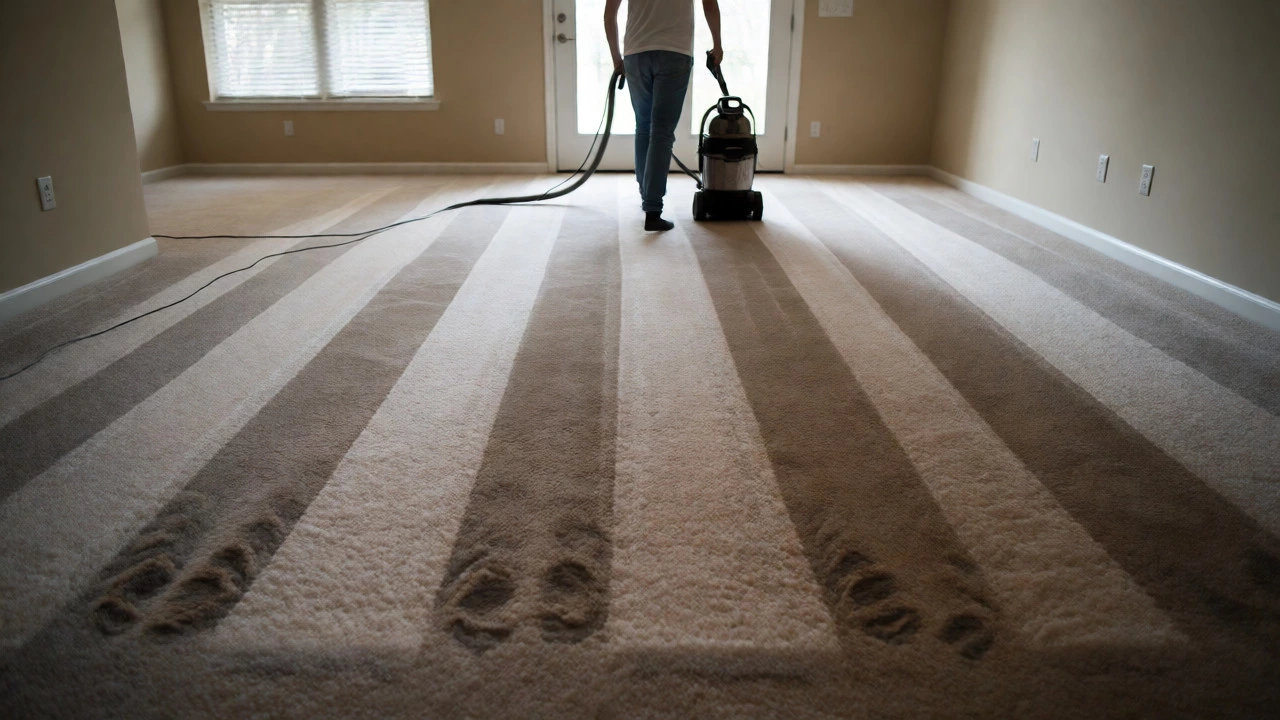
This method is particularly vital for carpet cleaning. If you shampoo a section of the carpet and then walk over it to clean the next section, you press wet dirt back into the fibers. Work in straight lines, ending at the doorway. It feels rigid, almost military, but it works.
Room-by-Room Breakdown Using the Golden Rule
Applying this logic to specific rooms changes the game. Here is how to tackle the most critical areas for an end of tenancy handover.
The Kitchen: Grease Falls Down
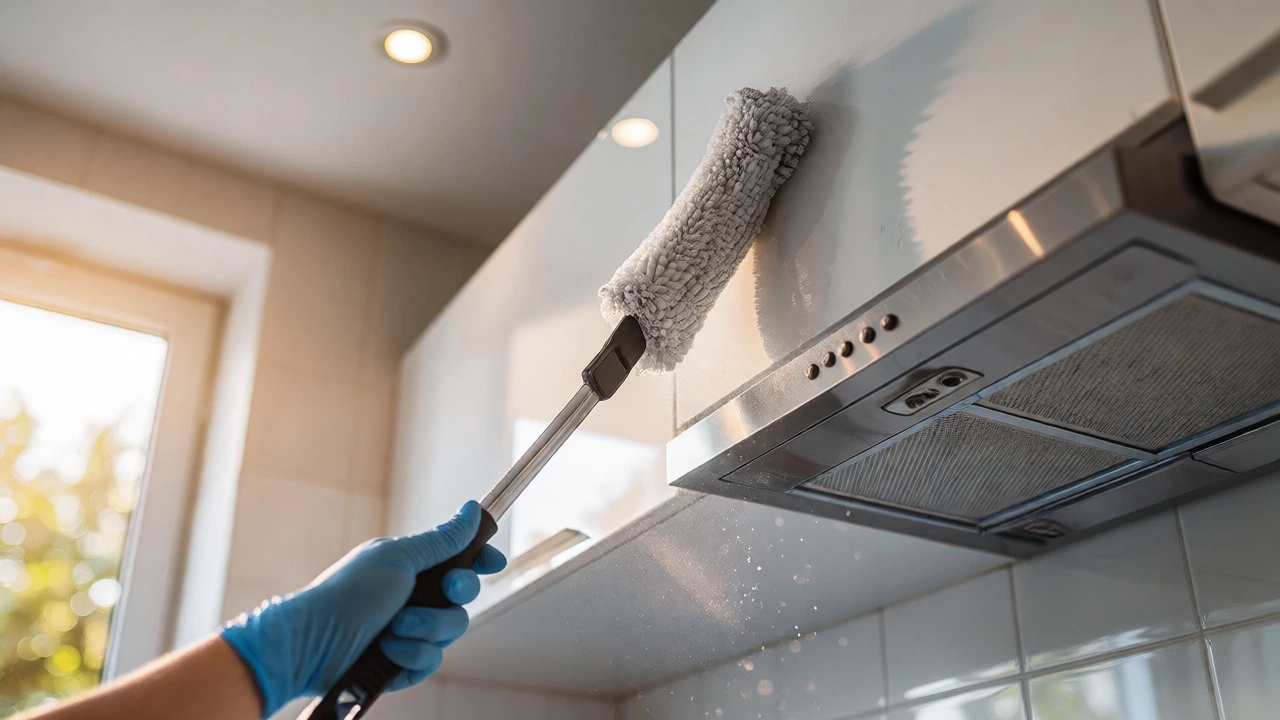
Kitchens are the hardest part of any deep cleaning checklist. Grease is sticky and heavy. Start high: remove the filters from your cooker hood and soak them. Wipe the top of the fridge and freezer. Dust the light fittings. Move down to the upper cabinets, wiping both the inside and outside. Then, tackle the lower cabinets and drawers.
Only once the vertical surfaces are clear should you touch the countertops. Clean the backsplash, then the hob, then the oven interior. Finish with the sink and the floor. If you clean the floor first, you’ll find yourself stepping in spilled milk or dripping sauce later, ruining your hard work.
The Bathroom: Limescale and Mold Travel
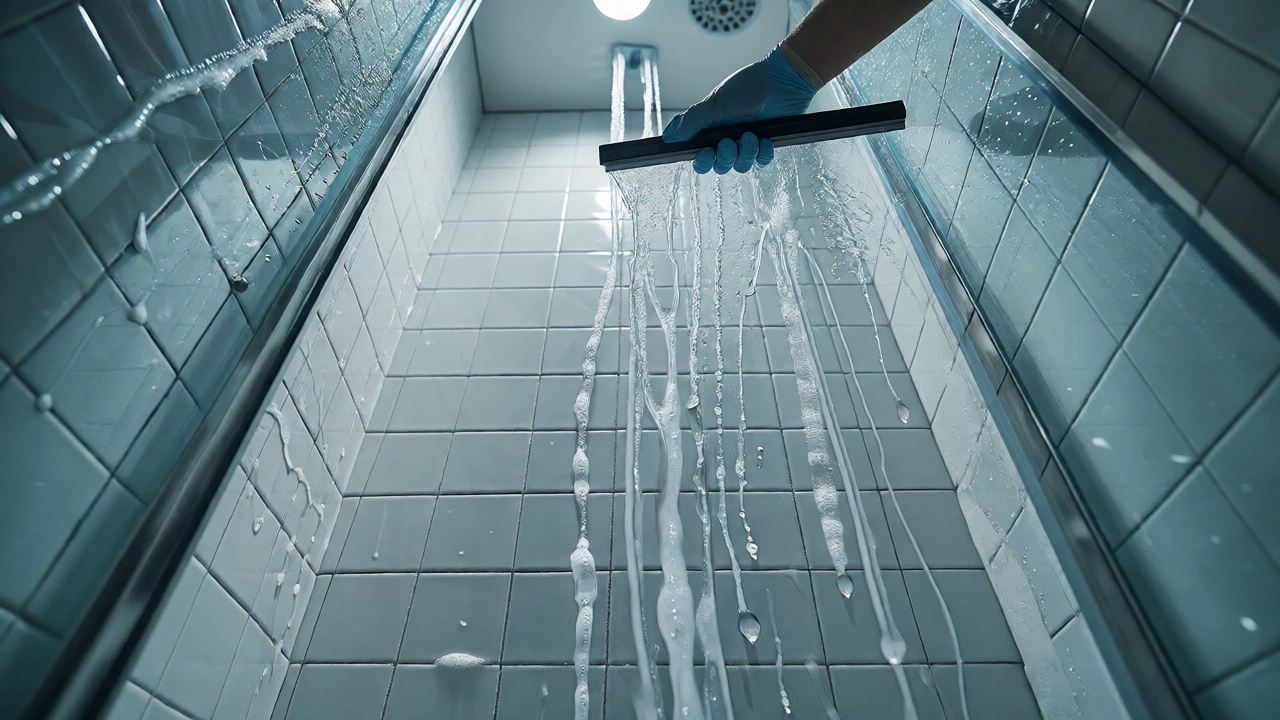
Bathrooms present a different challenge: moisture and limescale. Start with the ceiling and ventilation fan. Mold spores love to settle in damp corners up high. Wipe down the mirror and shelves. Then, attack the shower screen and tiles. Use a squeegee to direct water downward rather than spreading it sideways.
Clean the toilet bowl last among the fixtures, but always before the floor. Why? Because flushing can splash microscopic particles onto the surrounding tiles. If the floor is already dry and clean, those splashes become stains. Clean the toilet, flush, let it drip for a minute, then mop the floor.
The Bedroom: Dust Settles Everywhere
Bedrooms seem easy, but they are dust traps. Start with the wardrobe rails and the top of the wardrobe. Check behind doors and on top of picture frames. Dust the bed frame and headboard. Change the linens and wash them separately. Vacuum the mattress if required by your contract. Finally, vacuum the floor and skirting boards. Never dust while standing on a clean carpet unless you wear shoe covers, which nobody does.
Common Mistakes That Break the Rule
Even seasoned cleaners slip up. Here are three common errors that violate the top-to-bottom principle and cost tenants money.
- Cleaning windows too early: Many people wash windows first thing in the morning. But if you then dust the blinds or curtains, dust settles on the wet glass. Wait until the very end to polish windows, or do them after all dusting is complete.
- Using dirty cloths on high surfaces: If your cloth is gritty from the floor, wiping a high shelf just spreads grit around. Always keep separate cloths for high surfaces and low surfaces. Color-coding helps: blue for glass, red for sanitary ware, green for general surfaces.
- Ignoring the "hidden" tops: Letting agents check the tops of wardrobes, fridges, and radiators. These are high-up spots. If you skip them, you break the rule immediately. Dust here falls onto your freshly polished furniture.
Tools That Help You Stick to the Plan
You don’t need industrial machinery, but having the right tools makes following the sequence easier. A long-handled duster allows you to reach ceiling corners without dragging dust down your wall. A microfiber cloth is essential because it traps dust rather than pushing it around. For floors, a good quality mop with a wringer prevents excess water, which takes longer to dry and attracts more dirt.
If you are hiring a professional service, ask them if they follow a standardized protocol. Reputable companies in the UK adhere to industry standards similar to those outlined by the British Cleaning Council. They know that efficiency equals cleanliness. If a cleaner starts by mopping the floor, ask them to reconsider. It might save you a dispute later.
Final Checks Before Handing Over Keys
Once you have followed the top-to-bottom, left-to-right process, do a final walkthrough. Stand in the doorway of each room. Look up. Do you see cobwebs? Look down. Are there footprints? Smell the air. Does it smell like cleaning products or stale food?
Take photos of every room. This is crucial evidence if a dispute arises over your deposit. Show the cleanliness of the high shelves and the shiny floors. Documenting that you followed the basic rules of cleaning protects your wallet.
Cleaning isn’t just about scrubbing harder; it’s about working smarter. Respect gravity, respect the sequence, and you’ll likely walk away with your full deposit intact.
Does the top-to-bottom rule apply to professional cleaners?
Yes, absolutely. Professional cleaning services strictly follow this protocol because it maximizes efficiency. If they cleaned floors first, they would have to re-clean them after moving furniture or dusting lights. Following the sequence ensures they finish faster and with a higher standard of cleanliness.
What happens if I clean the bathroom floor before the shower?
You will likely have to clean the floor again. Scrubbing the shower screen and tiles causes water, soap scum, and limescale residue to drip onto the floor. If the floor is already clean and dry, these drips create new stains or slippery patches, forcing you to mop again.
Is left-to-right cleaning really necessary?
It is highly recommended for large open-plan areas. While not as critical as top-to-bottom, left-to-right prevents cross-contamination. It stops you from walking over cleaned areas to reach uncleaned ones, ensuring your path remains clean and you don't miss any sections of the room.
How does this rule help with my deposit?
Landlords and agents look for consistency. Spotty cleaning suggests laziness or lack of care. A uniform shine from ceiling to floor indicates thoroughness. Adhering to the basic rules reduces the chance of deductions for 'poor cleaning' because the property looks professionally maintained.
Can I hire a company instead of doing this myself?
Yes, many tenants opt for professional end of tenancy cleaning services to guarantee compliance with inventory reports. Ensure the company offers a re-clean guarantee if the landlord fails the inspection. They will apply the top-to-bottom rule automatically, saving you time and stress.