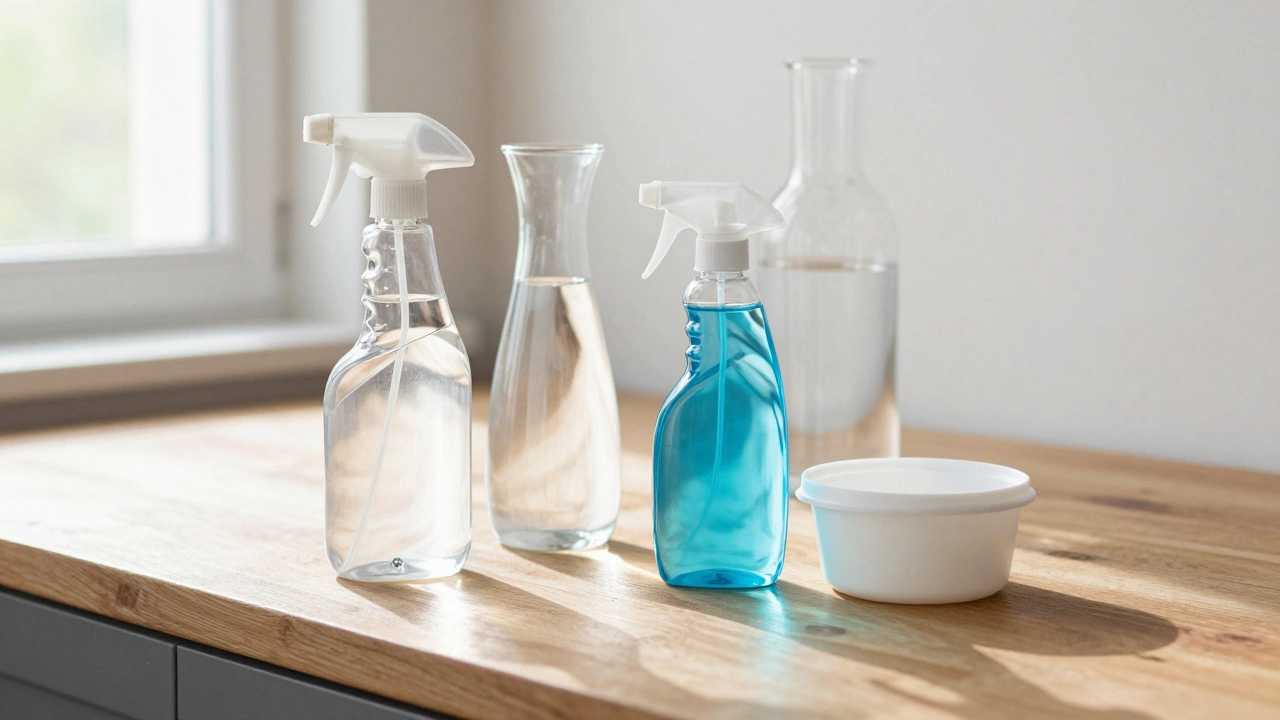
No-Wipe Glass Solution Mixer
Scale the recipe below to fit your spray bottle size. This formula balances evaporation speed and surface tension for streak-free results.
Set Your Batch Size
Mixing Instructions
Select a size above to generate your formula.
- Distilled Water: -
- Isopropyl Alcohol (70%+): -
- Dish Liquid (Blue/Green): -
- Liquid Rinse Aid: -
Diagnosis Tool: Fix Streaks & Smears
Click a symptom to see the corrective action based on chemical theory.
White Residue?
Glass looks cloudy after drying.
Rainbow/Oil Rings?
Fuzzy rainbow lines appearing.
General Haze?
Dirty look even after cleaning.
Solution
Nothing ruins a view faster than streaked glass. We want our outdoor windows to stay clear with minimal effort, especially when the rain starts hitting hard during those unpredictable British springs. Many people claim you can make a No Wipe Window Cleaner is a specialized cleaning solution designed to dry without leaving residue or streaks on glass surfaces. Commonly used for Streak Free Glass Treatment, it aims to reduce maintenance time significantly. at home, but the reality is more nuanced. True "no wipe" isn't just about cleaning; it is about changing how water interacts with the glass.
Standard vinegar mixes require drying. If you leave them alone, hard water spots appear instantly. To achieve a genuinely hands-off result outdoors, you need two things: a solvent that strips grime and a barrier that repels future moisture. The chemistry here matters more than the brand name on the bottle.
The Science Behind Streak-Free Glass
Why do store-bought sprays leave marks? It comes down to evaporation rates and mineral deposits. When water sits on glass and evaporates, it leaves behind dissolved minerals. In areas with hard water, this happens within minutes. A DIY solution needs to disrupt surface tension so water sheets away instead of forming droplets.
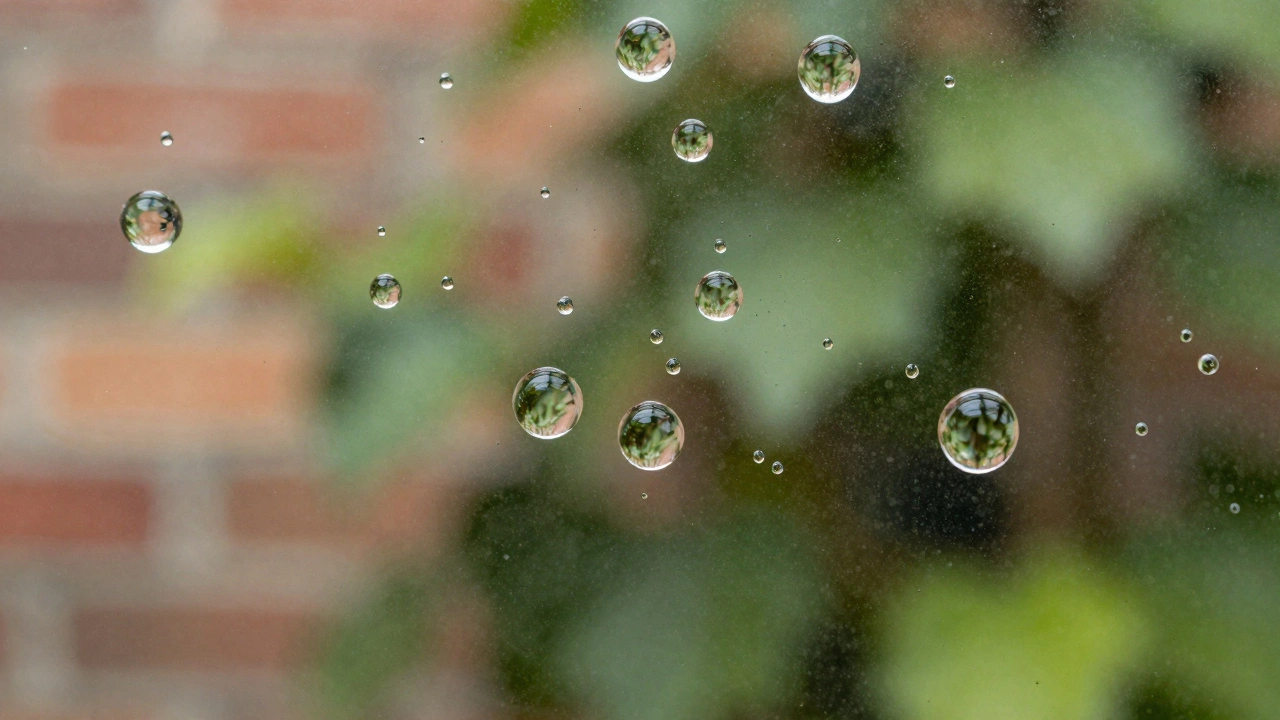
This is where Hydrophobic Coating is a substance applied to a surface that causes water to bead up and roll off. Found in products like Rain Repellent Agents, these coatings create a protective layer on glass. comes into play. For outdoor windows, we aren't just cleaning; we are treating the surface. Think of it like waxing a car. You scrub the dirt off, then you seal the paint. The same logic applies to exterior panes. Without the seal, dirt sticks immediately.
If you are in a region with high humidity, you also need alcohol to speed up drying. Slow drying means dust settles before the liquid vanishes, creating haze. Balancing evaporation with cleaning power is the key variable you control when mixing your own batch.
Essential Ingredients for DIY Formulation
You cannot simply mix water and soap and expect magic. Some ingredients strip grease well but dry slowly. Others evaporate too fast to clean deep grime. Here is the breakdown of components you need to gather before you start mixing.
- Distilled Water: Tap water contains calcium and magnesium. These minerals cause the white cloudy streaks we try to avoid. Distilled water ensures no mineral residues remain after drying.
- Dish Liquid: Acts as a surfactant to lift oily pollution and road grime. It must be clear blue or green, not thick gels with moisturizers.
- Isopropyl Alcohol: Increases evaporation speed and cuts through sticky bird droppings or sap.
- Rinse Aid: Found in dishwasher detergents. It is chemically engineered to prevent sheeting issues and spotting.
Avoid vinegar for outdoor applications. While great for kitchens, the acidity attracts pollen and pollen holds moisture longer on external glass. Also, smell lingers near porches where people sit.
Step-by-Step Mixing Instructions
Gather your tools first. You will need a trigger spray bottle that has never held bleach, as cross-contamination ruins glass surfaces permanently. Label your bottle clearly to prevent confusion with food-safe liquids.
- Add half a cup of Isopropyl Alcohol to the bottle. This should be at least 70% concentration for proper sanitization and quick drying.
- Pour in one cup of Distilled Water to dilute the alcohol slightly for better coverage without burning rubber seals.
- Squeeze in three drops of concentrated Dish Liquid. Too much soap creates bubbles that take hours to pop.
- Add one capful of Liquid Rinse Aid. This is the secret ingredient that reduces surface tension.
- Shake vigorously for ten seconds to blend the oils in the soap with the alcohol.
Do not store this mixture for more than a month. Alcohol evaporates over time, changing the chemical balance and making it less effective. Keep the bottle in a cool cupboard away from direct sunlight.
The Application Method That Matters
Making the solution is only half the battle. Even the best formula fails if you apply it incorrectly. Most people spray directly onto hot glass. This causes instant evaporation, leaving rings before you even touch the surface.
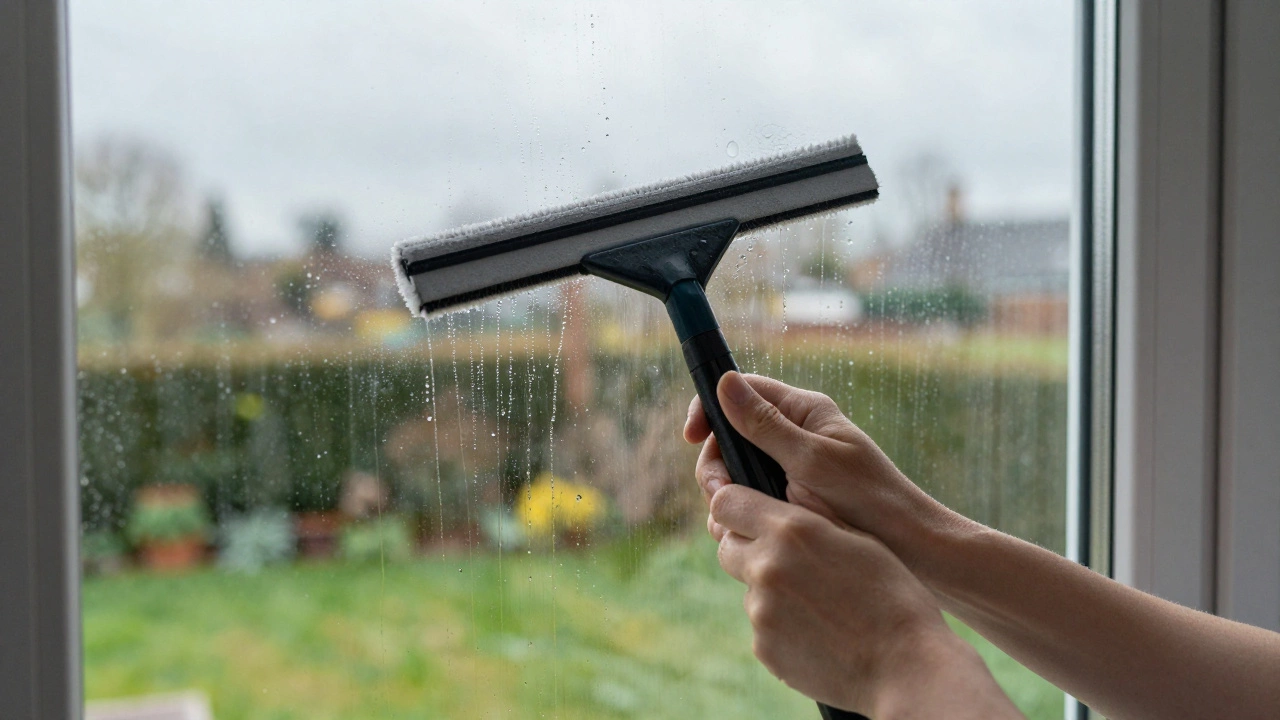
Apply the solution on cloudy days or early mornings when the sun is not beating down on the frame. Spray generously until the pane runs. Do not wait for it to soak in. Immediately take your Lambswool Squeegee is a tool with a natural wool edge preferred over rubber for delicate glass finishes. Often used by Professional Cleaners who prioritize texture control. and run it across the top. Pull horizontally to remove the bulk of the liquid. Run a dry microfiber cloth along the bottom edge to catch dripping drips.
If you truly want a "no wipe" finish post-application, you must treat the glass afterward. Once cleaned, apply a dedicated water repellent spray specifically designed for automotive glass to the exterior. This allows rain to bead up and roll off without dragging dirt particles with it. The initial wash gets rid of grit; the coating keeps it away.
Troubleshooting Common Issues
Even with the right recipe, problems happen. Understanding why helps you fix them fast.
- White Residue: Usually caused by tap water minerals. Switch to distilled immediately. If residue is already there, use white vinegar diluted 1:1 to dissolve the minerals, then rinse thoroughly.
- Oil Rings: Caused by too much dish soap. Reduce the amount to two drops per batch.
- Haze: Often results from using rough cloths. Lint from old towels traps microscopic fibers. Always use fresh microfiber or chamois leather.
Hard water stains require acid. A paste of baking soda and lemon juice works, but it scratches soft glass if rubbed too hard. Apply gently with a soft cotton pad and rinse immediately. Prevention is always easier than removal.
Safety Considerations for Outdoor Use
Chemical safety isn't just about ingestion. Outdoor cleaning involves height and wind exposure. Alcohol-based cleaners increase flammability. Never spray these solutions near an open flame or BBQ area. Store bottles out of reach of children, as they look like juice drinks.
Additionally, consider runoff. Your solution goes down the drain or onto plants. Dish soap alters pH levels in soil temporarily. Wash windows when rain is likely to occur, allowing nature to dilute the runoff further. If you have sensitive garden beds below, sweep the ground before spraying the glass above.
We live in times where eco-friendly choices are expected. Commercial solvents often contain VOCs (Volatile Organic Compounds). Homemade formulas generally reduce environmental load, but check local council guidelines regarding biodegradable disposal if you are cleaning large commercial properties.
Can I use windshield washer fluid?
Yes, many washer fluids contain methanol and surfactants. However, they may yellow plastic frames over time due to harsh additives. Test a small corner of your window frame before full application.
Does this work on tinted windows?
Ammonia-free recipes are safe for tints. Since this DIY formula uses dish soap and alcohol, it should be safe. Avoid strong abrasives that could scratch the adhesive film on the backside of the glass.
How long does the no-wipe protection last?
Depends on weather. With a hydrophobic additive, you might get two to three months. Heavy hail or abrasive sandstorms wear it down faster. Reapply seasonally for best visibility.
Is microfiber better than newspaper?
Absolutely. Newspaper ink transfers onto glass in heat and leaves grey smudges. Microfiber traps particles without scratching the surface. It lasts longer and provides a lint-free finish every time.
Can I make this in large batches?
Alcohol evaporates quickly, so small batches are better. Making gallons ahead leads to separation. Mix enough for a single session, perhaps 500ml to one liter, to maintain potency.