Mattress Stain Removal Guide & Recipe Generator
Identify Your Stain
Diagnosis:
Select options to generate your plan
We'll analyze the scent and age of the stain to recommend the best DIY solution.
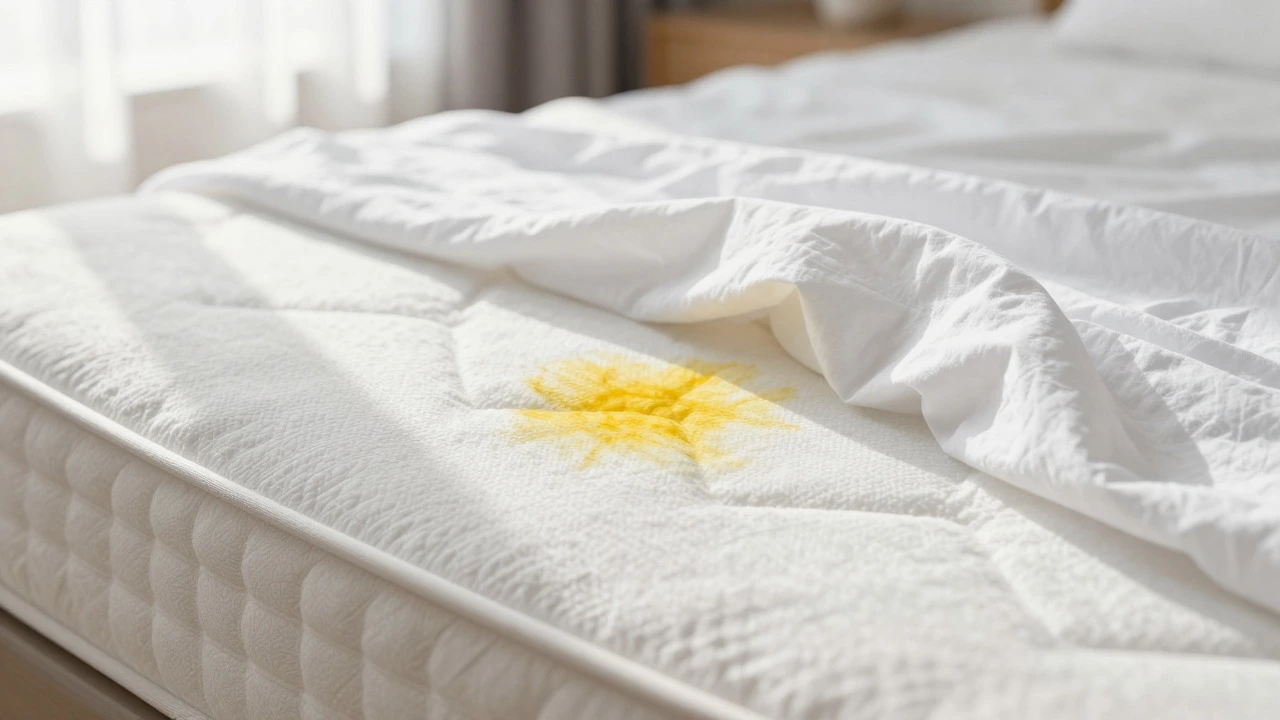
There is nothing quite as discouraging as flipping over in the morning and spotting a bright yellow patch on your sheets-or worse, directly on the mattress a piece of furniture designed for sleeping that supports the body. These unsightly marks are more than just an eyesore; they often signal biological activity, usually involving sweat, bodily fluids, or even mold. If you ignore them, the problem doesn't just sit there. It festers. The stains can set deeper into the foam or fibers, creating odors that no amount of air freshener can mask.
The good news? You don’t need to throw away your bed. With the right approach, you can lift these stains out effectively using household items you likely already own. This isn't about masking the problem with bleach fumes; it's about breaking down the proteins and pigments causing the discoloration without damaging the structural integrity of your sleep surface.
Identifying the Source of Yellow Stains
Before you start scrubbing, you need to know what you are fighting. Not all yellow stains are created equal, and treating a sweat stain like a urine stain can sometimes make things worse by setting the protein permanently into the fabric.
Sweat is the most common culprit. Over time, the salts and oils in your perspiration oxidize when exposed to air, turning white or clear moisture into a yellowish residue. This typically appears along the edges where your head or torso rests. Then there is urine, which leaves distinct, darker yellow patches. Whether it’s from a pet accident, a child, or an adult incontinence issue, urine contains urea and uric acid crystals that bond tightly to mattress fibers. Finally, consider mold. If your bedroom has high humidity or poor ventilation, yellow spots might actually be fungal growth. Mold requires immediate attention not just for cleanliness, but for health reasons.
If the stain smells musty or earthy, lean toward mold. If it has an ammonia-like scent, it’s urine. If it’s odorless but discolored, it’s likely old sweat or oxidation from dead skin cells.
Gathering Your Cleaning Arsenal
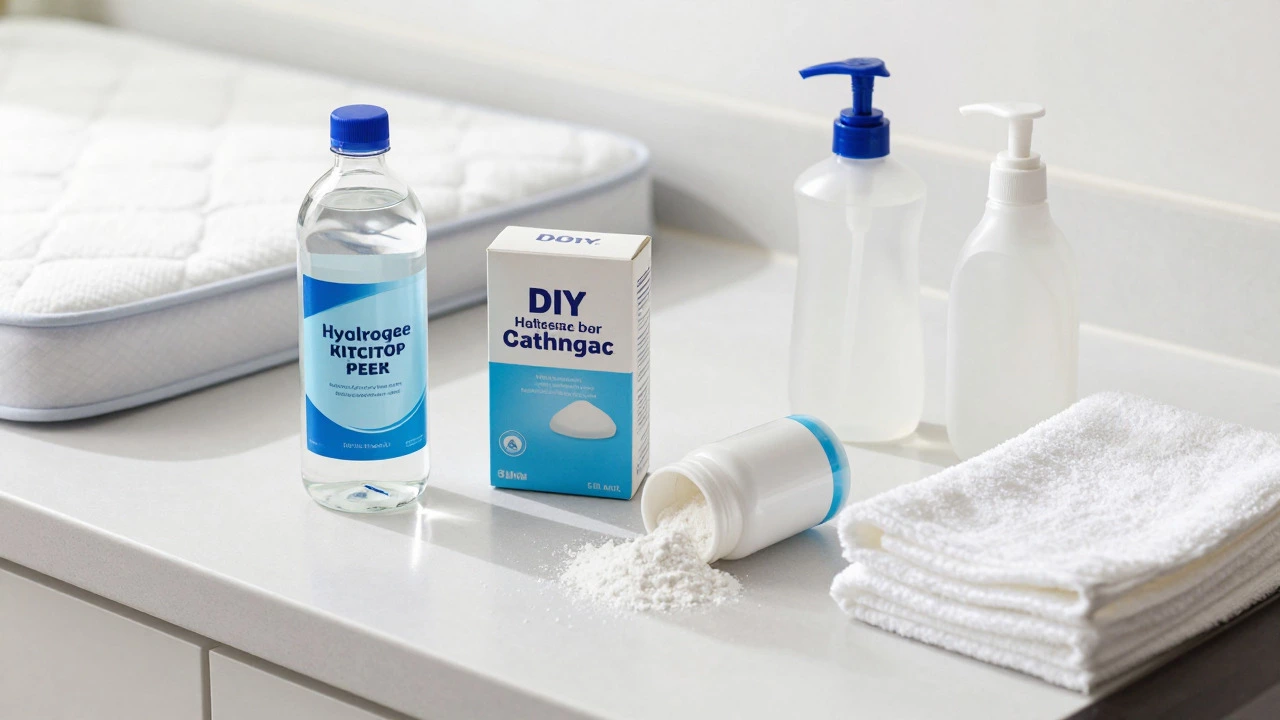
You do not need expensive commercial cleaners to tackle this. In fact, many heavy-duty chemical sprays can damage the waterproofing layers in modern mattresses or leave behind residues that irritate your skin. Instead, gather these simple, effective ingredients:
- Hydrogen Peroxide (3% solution): A powerful oxidizer that breaks down organic compounds and acts as a mild bleach alternative. It kills bacteria and lifts color without the harshness of chlorine bleach.
- Dish Soap: Look for a grease-cutting formula. Dish soap helps emulsify oils and lift dirt from the fabric weave.
- Baking Soda: An excellent absorbent and deodorizer. It pulls moisture out of the mattress and neutralizes acidic odors.
- Vinegar (White Distilled): Acetic acid helps break down uric acid crystals in urine stains and kills mold spores.
- Cold Water: Always use cold water. Hot water will cook proteins into the fabric, making stains permanent.
- Clean White Towels: Use white towels to avoid dye transfer onto your mattress.
A spray bottle is also highly recommended for applying liquid solutions evenly without soaking the mattress too deeply.
Step-by-Step Guide: Removing Urine and Sweat Stains
This method works best for fresh stains, but it can also revive older, set-in marks. The key is patience and working from the outside in to prevent spreading.
- Strip the Bed: Remove all sheets, pillowcases, and protectors. Wash them separately in hot water if they are washable.
- Blot, Don’t Rub: If the stain is fresh, lay a dry towel over it and press down firmly to absorb as much liquid as possible. Rubbing pushes the stain deeper into the foam core.
- Create the Cleaning Solution: Mix one part hydrogen peroxide with one part dish soap. Add a tablespoon of baking soda to the mix. Stir gently to combine. For stubborn urine stains, add a splash of white vinegar to help dissolve uric acid.
- Test for Colorfastness: Apply a small amount of the solution to an inconspicuous area of the mattress corner. Wait ten minutes. If the color changes or bleaches, stop and use a milder solution (just water and mild soap).
- Apply the Solution: Spray or dab the mixture onto the stained area. Work from the outer edge of the stain toward the center to prevent ring formation.
- Let It Sit: Allow the solution to work for 10-15 minutes. You may see bubbling-this is the hydrogen peroxide breaking down the organic matter.
- Blot Again: Use a clean, damp cloth to blot up the solution and lifted stain. Repeat until the cloth comes away clean.
- Sprinkle Baking Soda: Once the area is damp but not soaking wet, cover the entire spot generously with baking soda. This absorbs remaining moisture and neutralizes odors.
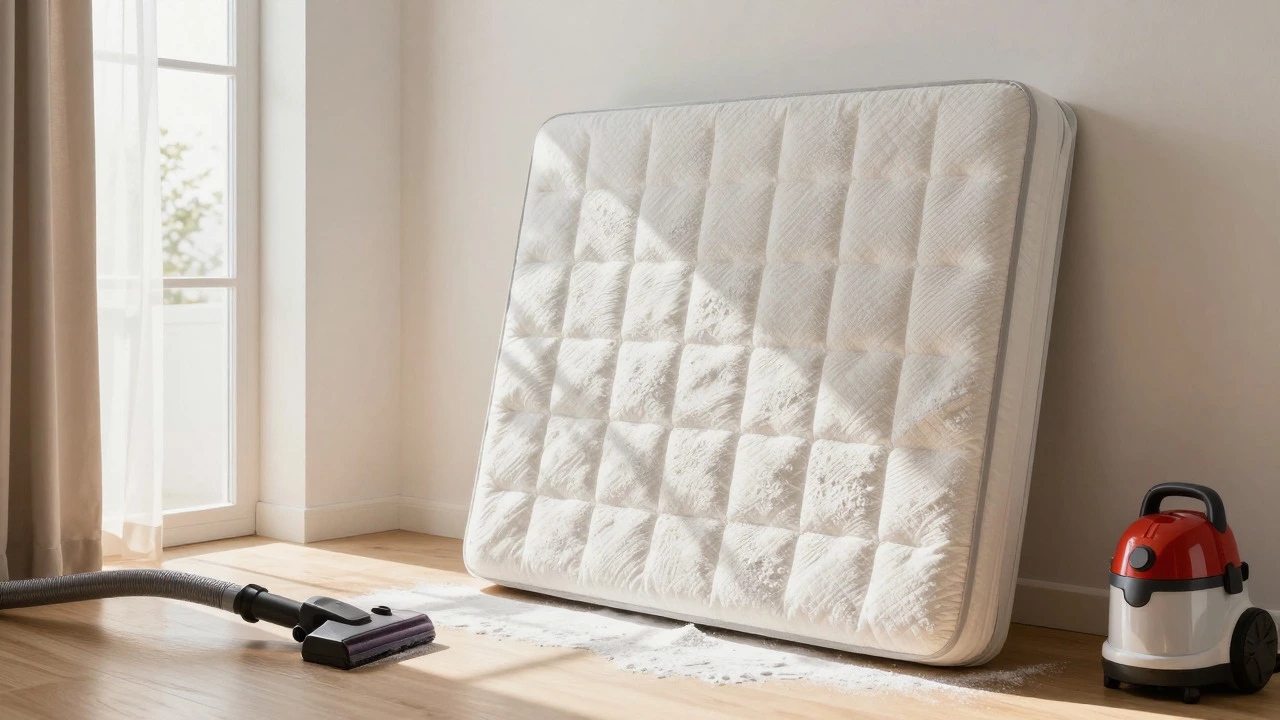
- Dry Thoroughly: Let the baking soda sit for several hours or overnight. Vacuum it up completely. Ensure the mattress is 100% dry before replacing sheets to prevent mold growth.
Tackling Old, Set-In Stains
If the yellow stain has been there for months or years, the proteins have likely bonded strongly to the fibers. Surface cleaning won't cut it. You need enzymatic action.
Enzymatic cleaners are specifically designed to eat away at organic matter like urine and blood. They contain bacteria that digest the stain molecules. While you can buy these commercially, you can also boost your homemade solution by letting it sit longer. For very old stains, repeat the hydrogen peroxide and dish soap application three or four times, allowing the mattress to dry partially between applications.
Another trick for deep-set stains is to use a steam cleaner. However, caution is advised. High heat can shrink some mattress materials or push stains further down. If you use a steamer, ensure it has a sanitizing attachment and keep the nozzle moving constantly to avoid saturating any single spot. Follow up immediately with baking soda to draw out the loosened grime.
Preventing Future Yellow Stains
Once you’ve fought the battle against yellow stains, the goal is to never fight it again. Prevention is significantly easier than cure.
The single most effective tool is a waterproof mattress protector. These covers are thin, breathable, and act as a barrier between your body and the mattress. They catch sweat, spills, and accidents, keeping the actual mattress pristine. Replace or wash your protector every month.
Regular vacuuming of the mattress surface removes dust, dead skin cells, and allergens that contribute to oxidation and staining. Do this once a month. Additionally, rotate your mattress head-to-foot every three months. This distributes wear and tear evenly, preventing concentrated buildup of sweat and oils in one specific area.
Finally, control the environment. Keep your bedroom well-ventilated. If humidity is high, use a dehumidifier. Moisture is the enemy of both mattress longevity and cleanliness. By keeping the room cool and dry, you reduce sweating and inhibit mold growth.
| Agent | Best For | Mechanism | Caution |
|---|---|---|---|
| Hydrogen Peroxide | Urine, Blood, Organic Stains | Oxidation breaks down pigments and kills bacteria | Can bleach dark fabrics; test first |
| White Vinegar | Odor Neutralization, Uric Acid | Acidity dissolves mineral deposits and crystals | Strong smell initially; dissipates quickly |
| Baking Soda | Moisture Absorption, Odor Control | Alkaline nature neutralizes acids; porous structure absorbs liquids | Must be vacuumed thoroughly to avoid residue |
| Dish Soap | Grease, Body Oils, Sweat | Surfactants emulsify oils for easy removal | Too much soap leaves sticky residue |
When to Call a Professional
Sometimes, DIY methods hit a wall. If the stain is massive, covers a large portion of the mattress, or if you suspect deep mold infestation within the foam layers, it might be time to call in the pros. Professional mattress cleaning services use industrial-grade extraction machines and specialized enzymes that penetrate deeper than home tools. They can also sanitize the mattress to kill dust mites and allergens.
Consider professional help if:
- The stain persists after three attempts at home cleaning.
- You have respiratory issues or allergies exacerbated by the mattress.
- The mattress is made of delicate materials like silk or memory foam with specific care instructions.
- There is visible mold growth beyond the surface layer.
However, weigh the cost against the value of the mattress. If the mattress is older than seven years, the investment in professional cleaning might not be worth it compared to buying a new one.
Does hydrogen peroxide damage mattresses?
In low concentrations (3%), hydrogen peroxide is generally safe for most mattress fabrics. However, it acts as a mild bleach. Always perform a spot test on a hidden area first. Avoid using higher concentrations (6% or above) as they can weaken fibers and cause discoloration.
How long does it take for a mattress to dry after cleaning?
Drying time depends on the amount of moisture used and the ventilation in the room. Typically, a mattress takes 4 to 6 hours to dry completely if you use fans and open windows. In humid conditions, it may take up to 24 hours. Never put sheets back on a damp mattress to prevent mold growth.
Can I use bleach to remove yellow stains from a mattress?
Chlorine bleach is generally not recommended for mattresses. It is too harsh, can degrade the foam and fabric over time, and releases toxic fumes that linger in the bedroom. Hydrogen peroxide is a safer, effective alternative for whitening and disinfecting.
Why do my sheets turn yellow even though I wash them regularly?
Yellowing sheets are often caused by body oils, sweat, and dead skin cells reacting with laundry detergents or hard water minerals. To prevent this, use less detergent, add a cup of white vinegar to the rinse cycle, and ensure clothes are dried thoroughly. Switching to a hypoallergenic detergent can also help.
Is it safe to sleep on a mattress while it dries?
It is best to avoid sleeping on a damp mattress. Moisture creates an ideal environment for mold and mildew to grow within hours. If you must sleep on it, place a thick, dry towel over the cleaned area and wait until the next day to fully assess dryness. Ideally, give it at least 6 hours of airflow.