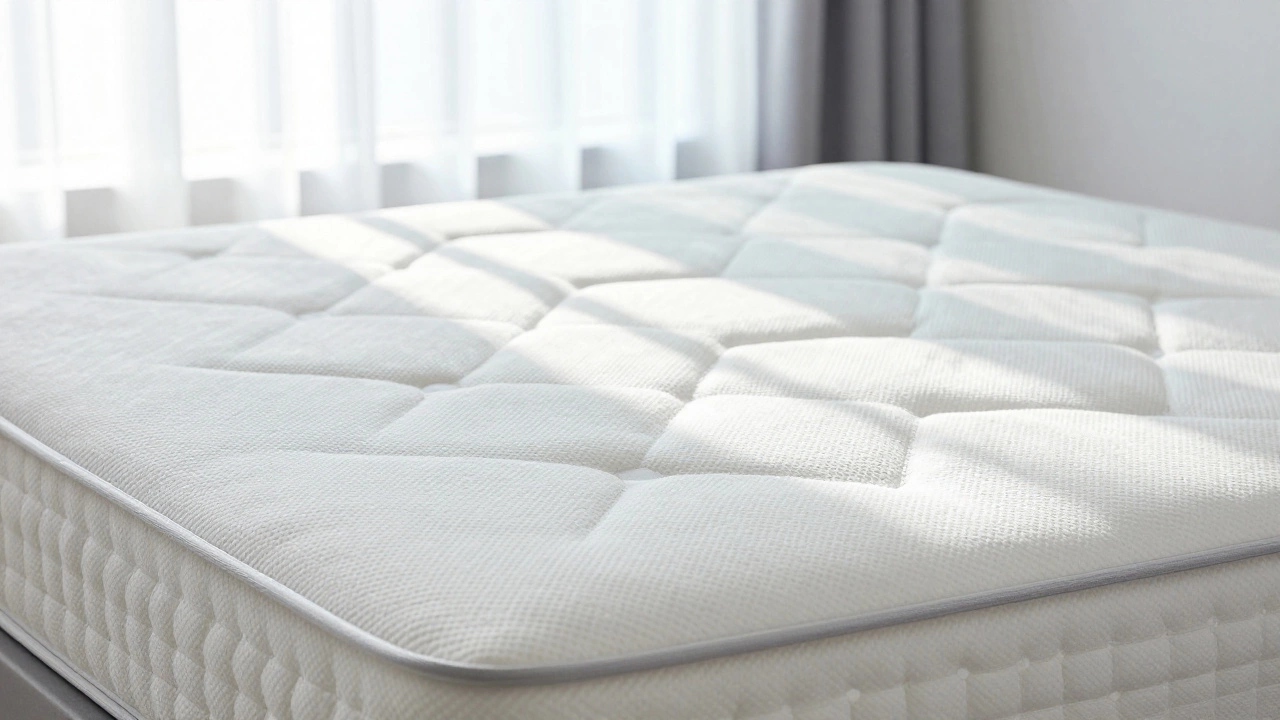
Bedroom Odor Diagnostic Tool
Select all the characteristics that match your bedroom situation. The more accurate you are, the better the solution will be.
There is nothing worse than crawling into bed at night and being greeted by a stale, musty, or downright unpleasant smell. It ruins your sleep, stresses you out, and makes you dread going home. You might think the issue is just dirty laundry or old carpets, but more often than not, the culprit hiding under your duvet is your mattress, which acts as a sponge for sweat, dead skin cells, and moisture. If you are wondering how to get rid of odor in bedroom, specifically focusing on that sleeping surface, you have come to the right place. This isn't about masking the smell with cheap air fresheners; it is about eliminating the source so you can actually breathe easy again.
We spend roughly one-third of our lives in bed. That means thousands of hours of direct contact between your body and your bedding. Over time, biological waste accumulates deep within the fibers. Understanding why this happens is the first step to fixing it permanently. Let's look at the science behind the stink and walk through practical, effective steps to clean your mattress and restore freshness to your bedroom.
Why Does Your Bedroom Smell? Identifying the Source
Before you start scrubbing, you need to know what you are fighting. Most bedroom odors fall into three categories: biological, environmental, or chemical. Biological smells are the most common. They come from human sweat, urine (especially if there are pets or young children), and mold growth due to humidity. Environmental smells include dust mites-which feed on dead skin-and general stagnation from poor ventilation. Chemical smells might linger from new furniture off-gassing or previous cleaning products used incorrectly.
If the smell is sour or damp, you likely have a moisture problem leading to mold or mildew. If it is ammonia-like, it could be urine residue. If it is simply "old" or dusty, it is probably accumulated dead skin and oils breaking down over time. Identifying the specific type of odor helps you choose the right cleaning method. For example, enzymatic cleaners are needed for urine, while baking soda works wonders for general body odor absorption.
| Odor Type | Likely Cause | Primary Solution |
|---|---|---|
| Musty/Damp | Mold, Mildew, High Humidity | Ventilation, Vinegar Spray, Dehumidifier |
| Sour/Sweaty | Bacteria, Body Oils, Sweat | Baking Soda, Enzymatic Cleaner |
| Ammonia-like | Urine (Human or Pet) | Enzymatic Cleaner, Steam Cleaning |
| Dusty/Stale | Dust Mites, Dead Skin, Lack of Airflow | Vacuuming, Sunlight, Essential Oils |
The Ultimate Mattress Cleaning Routine
Your mattress is the heart of your bedroom's scent profile. A dirty mattress will make even a freshly cleaned room smell bad. Here is a step-by-step guide to deep cleaning your mattress without damaging it. You do not need expensive professional equipment for this; household staples work surprisingly well.
- Strip the Bed Completely: Remove all sheets, pillowcases, and mattress protectors. Wash them in hot water (at least 60°C or 140°F) to kill dust mites and bacteria. Use a detergent with enzymes if possible.
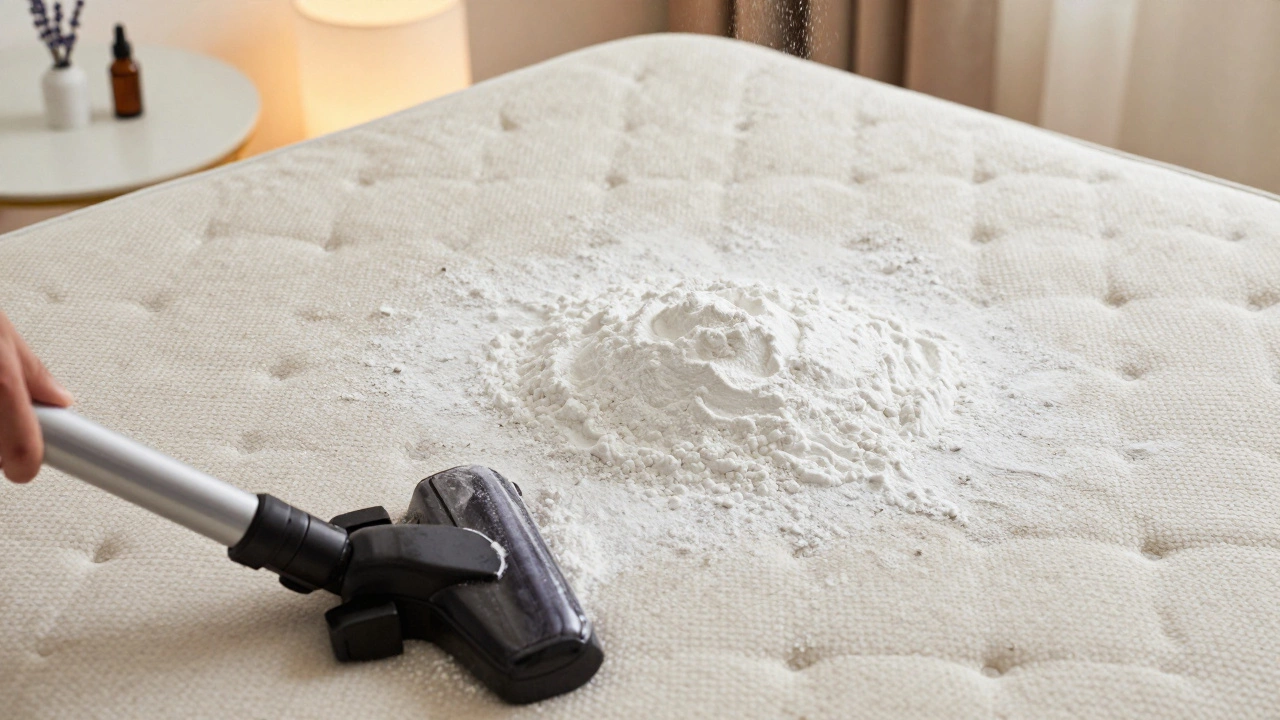
- Vacuum Thoroughly: Use the upholstery attachment on your vacuum cleaner. Go over every inch of the mattress, including the sides and seams. Pay special attention to crevices where crumbs and dust accumulate. This removes the bulk of allergens and dry debris.
- Treat Stains Immediately: If you see visible stains, do not rub them. Blot gently with a cloth. Mix a solution of mild dish soap and cold water. Dab the stain from the outside in. Avoid soaking the mattress, as excess moisture leads to mold.
- Apply Baking Soda: This is the magic ingredient for neutralizing odors. Sprinkle a generous layer of baking soda across the entire surface of the mattress. For extra power, mix in a few drops of essential oil like lavender or tea tree oil, which also have antimicrobial properties. Let it sit for at least one hour, preferably overnight.
- Vacuum Again: Once the baking soda has done its job, vacuum it up completely. You should notice an immediate difference in the air quality around the bed.
This routine should be performed every six months. In between deep cleans, spot clean any spills immediately to prevent them from setting into the foam or springs.
Natural Deodorizers vs. Chemical Sprays
When looking for ways to keep your bedroom smelling fresh, you have two main paths: natural deodorizers or commercial chemical sprays. Natural options are generally safer for long-term health, especially since you breathe them in for eight hours straight.
Baking soda, activated charcoal, and white vinegar are powerful natural tools. Activated charcoal can be placed in small bowls around the room to absorb airborne pollutants. White vinegar, when sprayed lightly (and allowed to dry completely), neutralizes acidic odors. On the other hand, commercial air fresheners often just mask smells with strong perfumes. These can sometimes react with indoor pollutants to create volatile organic compounds (VOCs), which may irritate your lungs or cause headaches. If you must use a spray, look for ones labeled "non-toxic" or "plant-based."
Essential oils are a great middle ground. Lavender promotes relaxation and sleep, while eucalyptus and lemon offer a crisp, clean scent. Always dilute essential oils in water before spraying them on fabrics to avoid staining.
Improving Ventilation and Air Quality
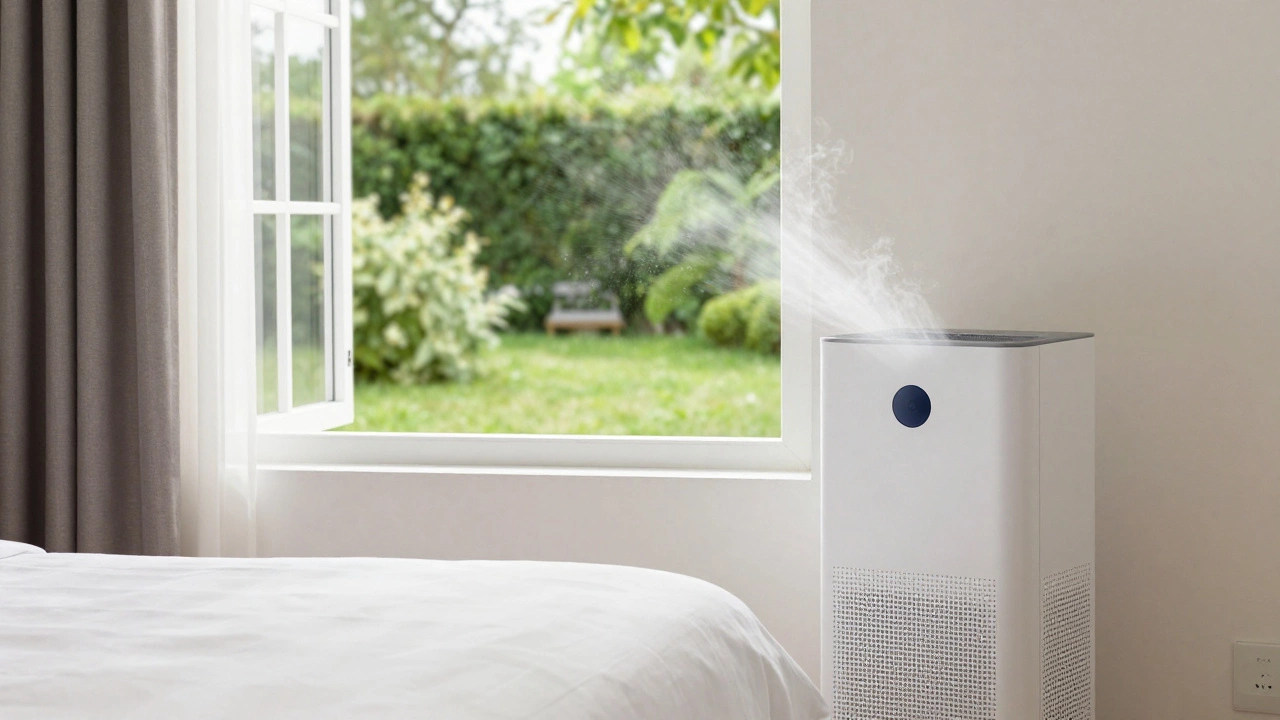
Cleaning the mattress is only half the battle. If your bedroom is stuffy, odors will return quickly. Proper ventilation is crucial for maintaining a healthy environment. Open your windows daily for at least 15 minutes to allow fresh air to circulate and push out stale air. This simple habit reduces humidity levels, preventing mold growth.
If you live in a humid climate or have poor airflow, consider using a dehumidifier. Keeping relative humidity between 30% and 50% inhibits the growth of mold and dust mites. An air purifier with a HEPA filter can also help trap particulate matter and some odors, though it won't replace the need for physical cleaning.
Another tip is to let sunlight hit your mattress occasionally. UV rays from the sun are natural disinfectants. If you can, strip the bed and prop the mattress against a wall near a sunny window for a few hours once a month. The heat and light will help kill bacteria and evaporate trapped moisture.
Preventing Future Odors: Habits That Help
The best way to deal with bedroom odor is to stop it from forming in the first place. Adopting a few simple habits can keep your sleeping area fresh year-round.
- Use a Mattress Protector: Invest in a high-quality, waterproof mattress protector. This creates a barrier between your body and the mattress, catching sweat, spills, and skin cells. Wash the protector monthly.
- Air Out Your Bed Daily: When you get up, pull back the covers for a few minutes. This allows moisture from your body to evaporate rather than getting trapped in the bedding.
- Change Sheets Weekly: Even if they don't look dirty, sheets collect sweat and oils. Changing them weekly prevents buildup.
- No Eating in Bed: Crumbs attract pests and decompose, leading to unpleasant smells. Keep food and drinks out of the bedroom.
- Shower Before Bed: Reducing the amount of dirt and bacteria you bring into bed makes a significant difference over time.
When to Call in Professionals
While DIY methods work for most situations, some problems require professional intervention. If you have severe pet urine accidents that have soaked deep into the box spring or floor, or if you suspect black mold growth inside the mattress layers, it is time to call experts. Professional mattress cleaning services use industrial-grade steam cleaners and specialized extraction machines that can reach depths home vacuums cannot.
In Bristol, and across the UK, many eco-friendly cleaning companies offer green solutions that are tough on stains but safe for families and pets. Look for certifications like Green Seal or similar environmental standards. While this costs more, it can extend the life of your mattress and ensure a truly hygienic sleep environment.
How often should I clean my mattress?
You should perform a deep clean of your mattress every six months. This includes vacuuming, spot cleaning, and treating with baking soda. In between these sessions, you should air out your bed daily and wash your sheets weekly.
Can I put my mattress in the washing machine?
No, never put a standard mattress in a washing machine. It is too large, heavy, and contains materials like foam and springs that will be damaged by agitation and water. Only mattress toppers or removable covers can be machine washed if the label permits.
Does vinegar really remove odors?
Yes, white vinegar is highly effective at neutralizing odors because it is acidic. It breaks down alkaline substances like urine and sweat. However, you must let it dry completely after application, as the vinegar smell itself will dissipate once dry, leaving no residual scent.
What is the best way to remove pet urine smell from a mattress?
For pet urine, you need an enzymatic cleaner. These cleaners contain enzymes that break down the uric acid crystals left behind by dried urine. Blot up fresh urine immediately, apply the enzymatic cleaner according to the instructions, and let it sit for the recommended time before blotting dry. Avoid using ammonia-based cleaners, as they smell like urine to pets and may encourage re-marking.
Is it better to buy a new mattress or clean the old one?
If your mattress is less than seven years old and structurally sound, cleaning it is usually sufficient. However, if it is sagging, causing back pain, or has persistent odors despite thorough cleaning, it may be time to replace it. Mattresses harbor dust mites and allergens that become harder to remove over time.