Mattress Stain Removal Guide
Select the type of stain you are dealing with to see the recommended cleaning method:
What to use:
--
How to do it:
--
Before you reach for the heavy chemicals, you need to know that mattresses are like giant sponges. If you soak them with water, you're basically inviting mold to move in. The goal is to remove the grime without saturating the core. Whether you're dealing with a few spills or a decade of buildup, the process is about working from the surface inward.
Quick Summary: The Best Way to Refresh Your Bed
- Vacuum first: Get rid of the loose dust and allergens.
- Deodorize with baking soda: Absorb odors and moisture.
- Spot treat stains: Use a mix of dish soap and hydrogen peroxide for organic stains.
- Dry thoroughly: Use fans or open windows to prevent mildew.
- Protect for later: Use a waterproof mattress protector to stop future messes.
Tackling the Dust and Allergens
You can't clean a stain if you're just rubbing dust deeper into the fabric. Start by stripping your bed completely. I'm talking sheets, mattress protectors, and pillows. Toss those in the wash on the highest temperature the fabric allows to kill any lingering bacteria.
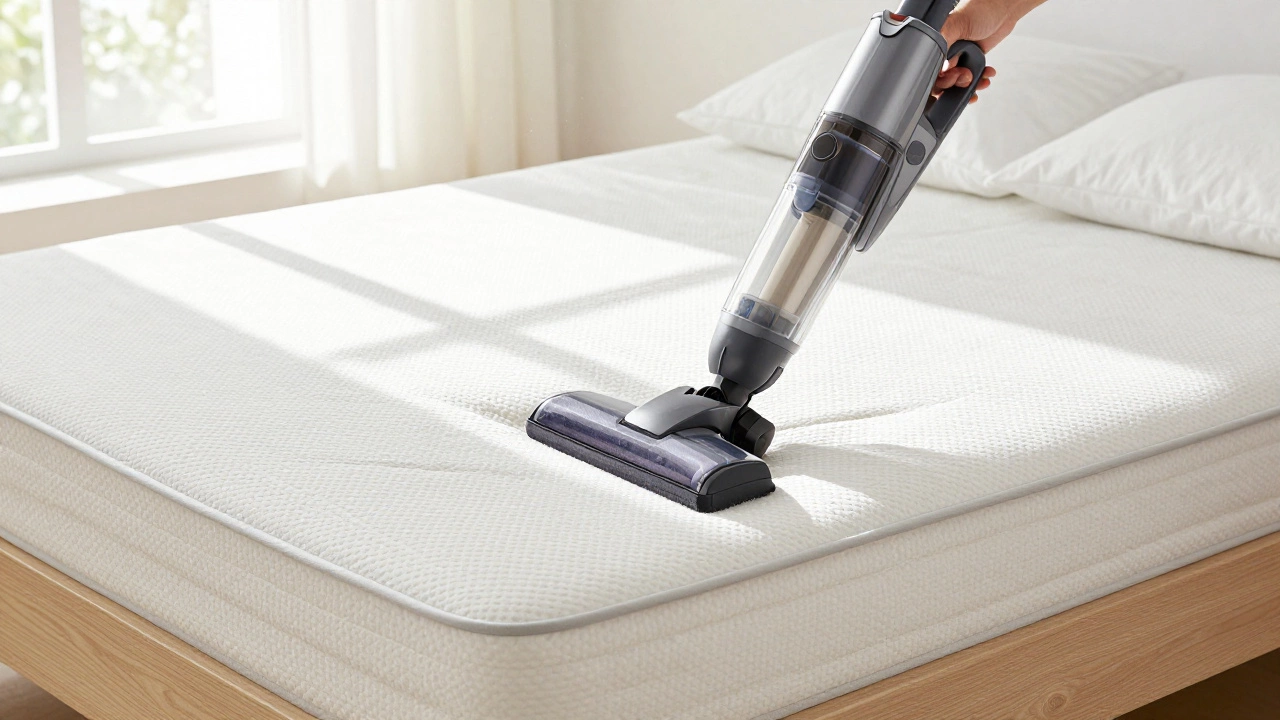
Now, grab your Vacuum Cleaner. Use the upholstery attachment-the smaller, handheld head-to go over the entire surface. Focus on the seams and the crevices where the mattress meets the frame. These areas are hotspots for Dust Mites, which are microscopic arachnids that thrive on dead skin cells. If you have a HEPA filter vacuum, use it; it traps smaller particles and prevents them from blowing back into the room.
The Magic of Baking Soda for Odors
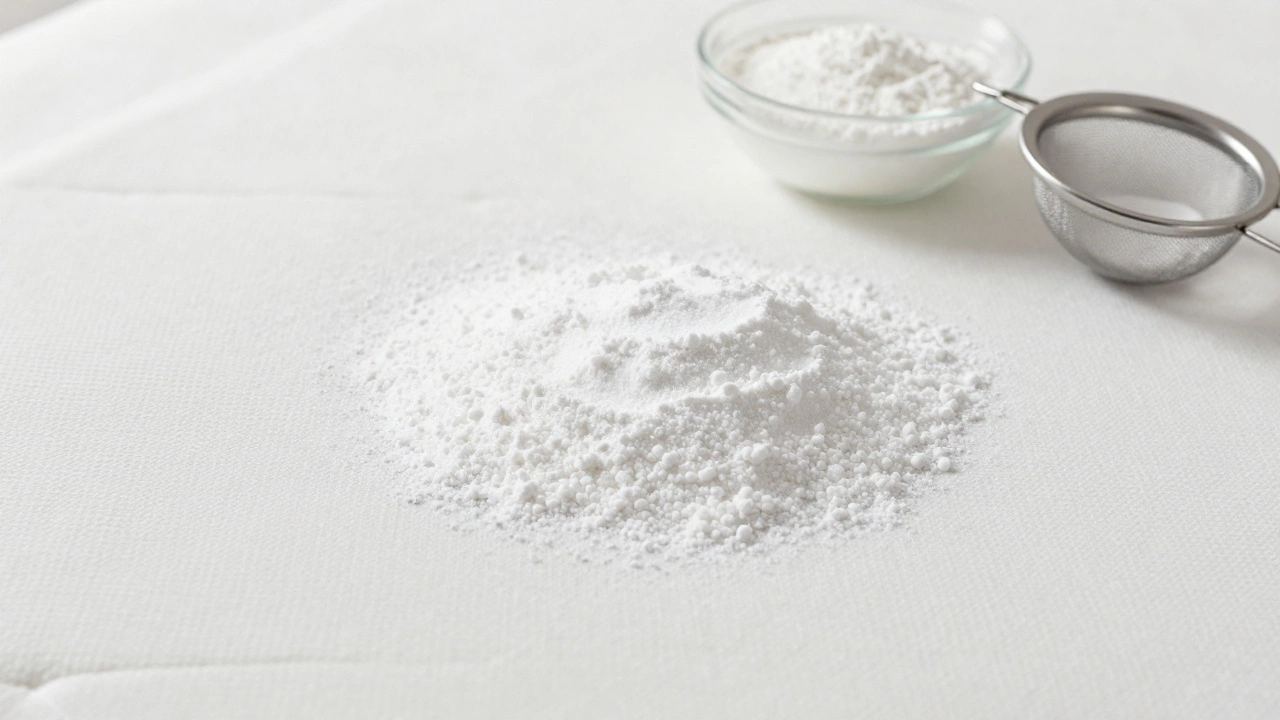
If your mattress just smells "stale" or has a lingering scent of sweat, you don't need liquids. You need Baking Soda (sodium bicarbonate). This powder is a natural odor neutralizer because it balances the pH levels of the acidic smells common in bedding.
Sift a generous layer of baking soda across the entire surface of the bed. Don't just sprinkle it; cover it like a light layer of snow. Now comes the hard part: wait. For the best results, leave it for at least two to four hours. If you can manage it, do this during a sunny day and open your windows to let fresh air circulate. After the time is up, vacuum it all away. You'll notice the mattress feels drier and smells significantly cleaner.
How to Remove Stubborn Stains
Not every mess can be vacuumed away. For those annoying yellow rings or food spills, you need a targeted approach. The biggest mistake people make is pouring liquid detergent directly onto the mattress. This creates a soapy residue that actually attracts more dirt over time.
Instead, create a cleaning solution. For most organic stains (like sweat or urine), a mix of Hydrogen Peroxide, a drop of dish soap, and a pinch of baking soda works wonders. Hydrogen peroxide acts as a mild bleach that breaks down the proteins in the stain without damaging most fabrics.
The Process:
- Dampen a clean white cloth with the solution. Never pour the liquid directly on the bed.
- Blot the stain from the outside edge toward the center. This prevents the spot from spreading.
- Press firmly but don't scrub vigorously, as you might fray the fabric.
- Once the stain is gone, blot the area with a dry towel to soak up as much moisture as possible.
| Stain Type | Recommended Solution | Method |
|---|---|---|
| Blood | Cold water & salt or Hydrogen Peroxide | Blot with cold water; avoid heat. |
| Yellowing/Sweat | Baking soda & Hydrogen Peroxide mix | Dab gently and air dry. |
| Coffee/Wine | White vinegar & dish soap | Blot with a damp cloth. |
| Grease/Oil | Cornstarch or Baking Soda | Let powder sit for 30 mins, then vacuum. |
Dealing with Deep-Seated Grime
If your mattress is truly filthy-maybe you've just moved into a place and the previous tenant left a mess-home remedies might not be enough. This is where Steam Cleaning comes in. A steam cleaner uses high-heat vapor to lift dirt and kill bacteria deep inside the fibers.
However, be careful. Too much steam can leave the mattress too damp, which leads to mold growth inside the foam. If you're using a rental machine, stick to the "dry steam" setting. If you're not comfortable doing this yourself, hiring a professional Upholstery Cleaning service is a safer bet. They have industrial-strength extractors that pull the water back out immediately, ensuring the core of the bed stays dry.
Preventing Future Messes
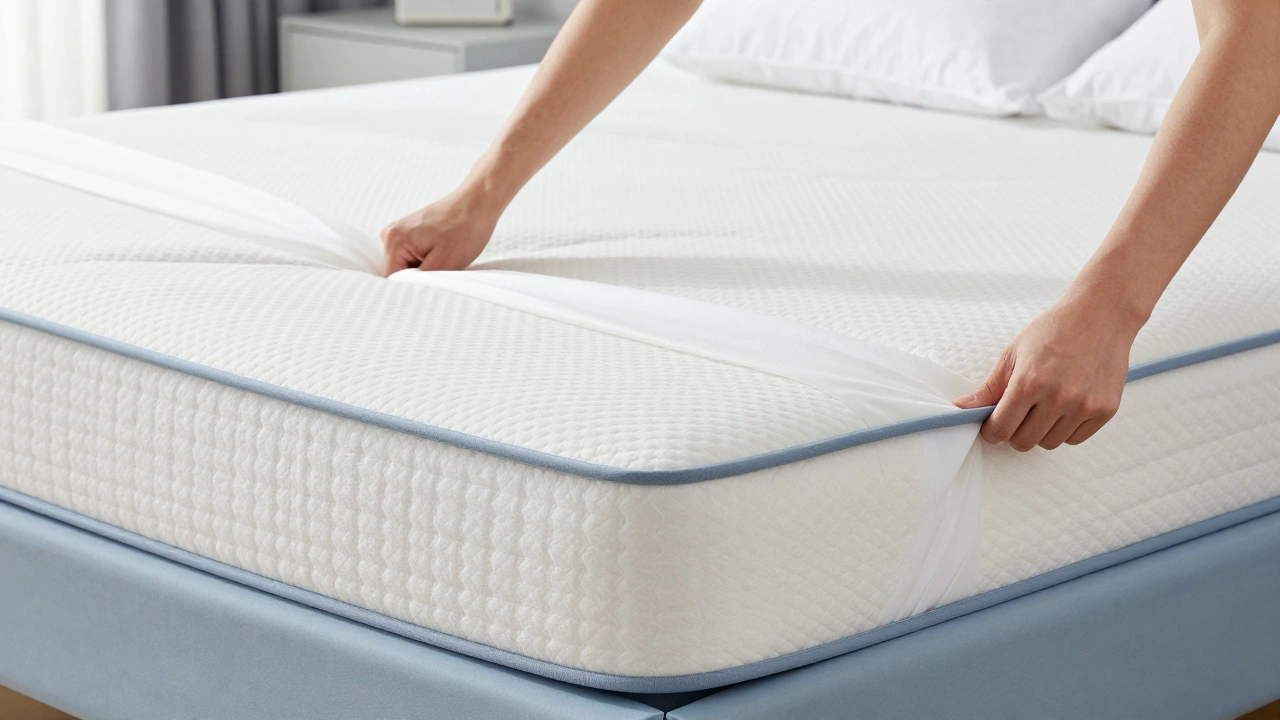
Once you've put in the effort to clean a dirty mattress, you don't want to do it again next month. The most effective way to protect your investment is a Mattress Protector. Look for one that is "waterproof yet breathable." This means it stops liquids from seeping into the foam but still allows air to circulate so you don't overheat.
Combine this with a regular maintenance routine. Every time you change your sheets-usually once a week-spend two minutes vacuuming the top of the mattress. It keeps the dust buildup from becoming a permanent part of your bed. Also, rotate your mattress every three to six months to prevent dip spots and ensure even wear across the surface.
When to Give Up and Buy a New One
Sometimes, cleaning isn't the answer. If the mattress has developed a deep, musky smell that doesn't go away after a baking soda treatment, you might have internal mold. This is common in memory foam beds if they've been exposed to significant moisture.
Similarly, if the mattress is sagging or if you're waking up with chronic back pain despite the cleaning, the internal support structure has likely failed. Cleaning can fix the surface, but it can't fix the springs or the degraded foam. If your bed is more than 8 to 10 years old and showing these signs, it's time to shop for a replacement.
Can I use a washing machine for my mattress?
No, absolutely not. Mattresses are too large and the materials (foam, springs, cotton) would be destroyed by the agitation and water in a washing machine. Only the removable covers or mattress protectors should be machine washed.
How long does it take for a mattress to dry after cleaning?
Depending on how much liquid you used, it can take anywhere from 4 to 24 hours. It's crucial to let it dry completely before putting sheets back on, otherwise, you risk trapping moisture and growing mold. Use a fan or a dehumidifier to speed up the process.
Is vinegar safe to use on all mattresses?
Generally, yes, but in a diluted form. White vinegar is great for breaking down alkaline stains. However, always test a small, hidden area first to ensure the vinegar doesn't discolor the fabric or react poorly with specific foam types.
Does baking soda actually kill bacteria?
Baking soda is better at absorbing odors and moisture than killing bacteria. To actually disinfect the surface, you'll need a mild disinfectant or the high heat from a steam cleaner, though these should be used sparingly to avoid soaking the mattress.
How often should I deep clean my mattress?
A thorough deep clean (vacuuming and baking soda) should be done every 3 to 6 months. If you have pets or allergies, doing this monthly will help keep your sleeping environment much healthier.
Next Steps for a Fresh Bed
If you've just finished cleaning, your next move should be to check your bedroom ventilation. Dust and mold thrive in stagnant air. Try to keep your room well-ventilated and consider using a mattress lifter or a slatted frame to allow air to reach the bottom of the bed.
For those with severe allergies, consider upgrading to a hypoallergenic mattress protector. These are specifically designed to keep dust mites out, meaning you'll spend less time cleaning and more time sleeping soundly.