Eco-Laundry Score Calculator
Answer a few questions about your current laundry habits to see how "green" your routine is and get personalized tips for improvement.
Your Environmental Impact Report
Rating
Detailed Analysis & Tips
Heating water accounts for ~90% of the energy used in a laundry cycle. Switching to cold water is one of the fastest ways to lower your carbon footprint.
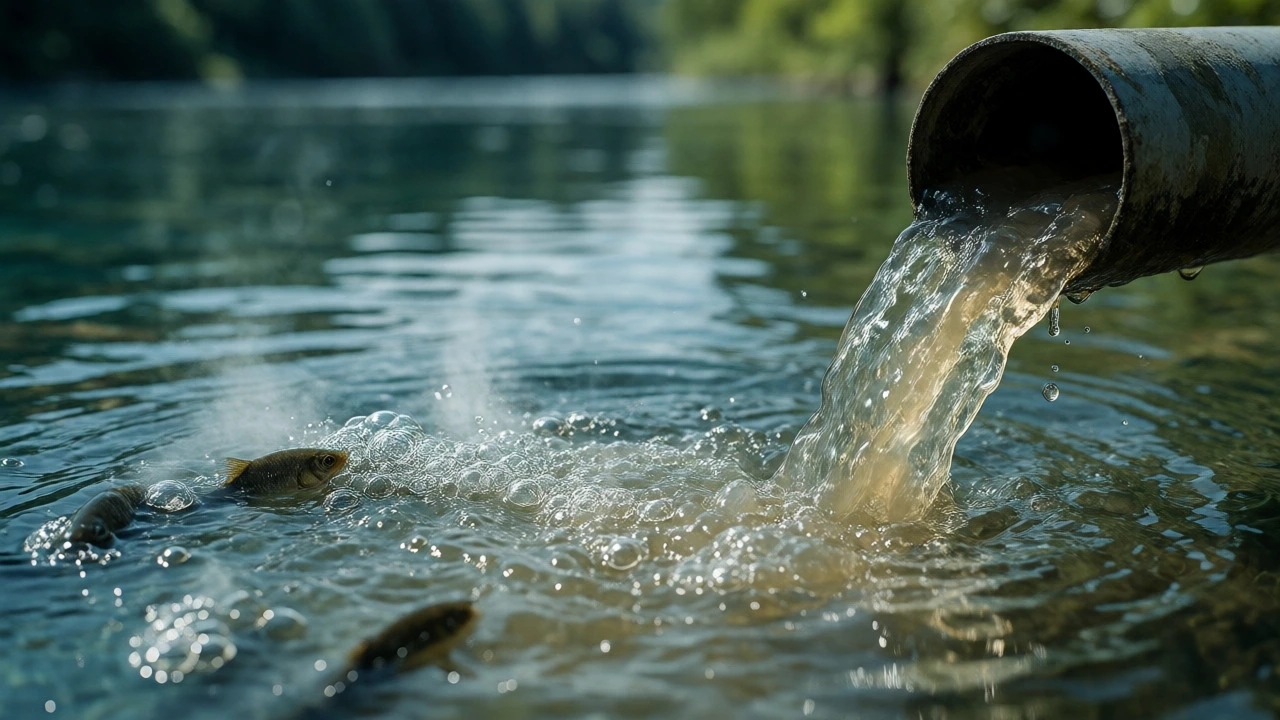
You toss a scoop of bright blue powder into the machine, hit start, and walk away. But where does that suds go? Most conventional laundry detergents contain chemicals like phosphates, synthetic fragrances, and optical brighteners that don't just vanish down the drain. They end up in rivers, lakes, and eventually, your tap water. The question isn't just about keeping your shirts clean; it's about what happens after the rinse cycle ends.
If you're looking to reduce your household footprint, switching to an eco-friendly laundry detergent is one of the easiest wins. But "green" marketing can be misleading. A bottle with a leaf on it doesn't automatically mean the product is safe for aquatic life or free from microplastics. Let's break down what actually makes a detergent environmentally friendly and how to spot the real deal from the hype.
The Hidden Cost of Conventional Detergents
Standard detergents are engineered for maximum visual appeal and scent longevity, often at the expense of environmental health. When these products enter wastewater systems, they can disrupt ecosystems. For instance, phosphates, once common in detergents to soften hard water, cause algal blooms. These blooms deplete oxygen in the water, killing fish and other aquatic life. While many countries have banned phosphates in household cleaners, their legacy persists, and some regions still allow them.
Then there are the surfactants. Many conventional brands use nonylphenol ethoxylates (NPEs), which break down into nonylphenols-substances known to act as endocrine disruptors in wildlife. Even if your local treatment plant filters out some solids, dissolved chemicals pass through. You might not see the impact in your toilet bowl, but downstream communities definitely feel it.
Scent is another major culprit. A single "fresh linen" fragrance can hide dozens of undisclosed chemicals, including phthalates, which help scents last longer but are linked to reproductive issues. If you have sensitive skin, you've likely noticed irritation from these additives. But the harm extends beyond your dermis to the broader environment.
What Makes a Detergent Truly Eco-Friendly?
So, what should you look for? An eco-friendly detergent isn't just about being "natural." It needs to meet specific criteria regarding its ingredients, packaging, and manufacturing process.
First, check the ingredient list for transparency. Brands that disclose every component are usually safer bets than those hiding behind terms like "fragrance" or "cleaning agents." Look for plant-based surfactants derived from coconut, corn, or soy rather than petroleum-derived ones. These biodegrade faster and are less toxic to aquatic organisms.
Second, consider the packaging. Plastic jugs are heavy and energy-intensive to produce and transport. Many eco-conscious brands now offer concentrated formulas in recyclable cardboard boxes, compostable pouches, or even solid bars and sheets. Reducing water weight by shipping concentrates lowers carbon emissions significantly. A standard liquid detergent is up to 90% water. Why pay to ship water when you can add it yourself?
Third, verify certifications. Labels like Ecocert, Green Seal, or Safer Choice provide third-party validation. These organizations test for toxicity, biodegradability, and resource usage. Without such verification, a "green" claim is often just marketing fluff.
Types of Sustainable Laundry Solutions
Not all eco-friendly options work the same way. Your choice depends on your washing habits, water hardness, and tolerance for effort.
| Format | Pros | Cons | Best For |
|---|---|---|---|
| Laundry Sheets | Zero plastic waste, lightweight, pre-measured | Can leave residue in cold water washes | Travelers, small households, zero-waste beginners |
| Powder Detergent | Often phosphate-free, comes in cardboard, cost-effective | Can clump in humid climates, requires scooping | Families with high laundry volume, hard water areas |
| Concentrated Liquid | Dissolves easily, familiar format, refillable options available | Still uses plastic (though less), heavier to ship | Those who prefer traditional liquids but want lower impact |
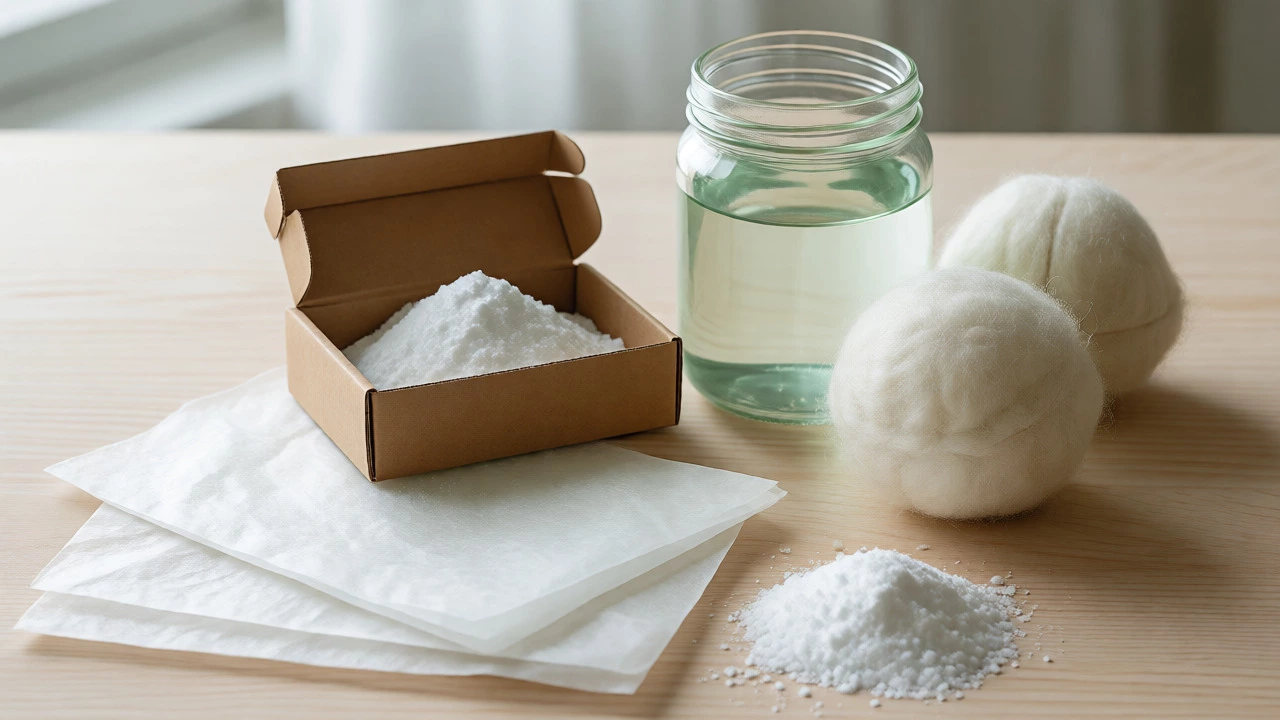
| Wool Dryer Balls | Reduces drying time, replaces fabric softener, reusable | Initial cost higher than dryer sheets | All eco-conscious users seeking efficiency |
Laundry sheets have surged in popularity for good reason. They eliminate plastic bottles entirely. Each sheet contains a measured dose of detergent, dissolving upon contact with water. However, some users report incomplete dissolution in very cold cycles. If you wash mostly at 30°C or below, test a brand first or opt for warm water occasionally.
Powders remain a staple for many because they’re often cheaper per load and come in recyclable paper boxes. Modern eco-powders use enzymes to break down stains, reducing the need for harsh bleaches. Just ensure the box is waxed or lined with a material that doesn’t compromise recycling streams in your municipality.
Refillable liquids are a middle ground. Some stores now offer bulk dispensers where you bring your own container. This cuts packaging waste drastically. If you don’t have access to bulk stores, look for brands using post-consumer recycled (PCR) plastic and offering take-back programs.
DIY Options: Are They Worth It?
You’ve probably seen recipes online mixing baking soda, borax, and grated soap. Do they work? Yes, but with caveats. DIY mixtures lack the sophisticated enzymes found in commercial eco-detergents, meaning they may struggle with protein-based stains like blood or sweat. Also, homemade soaps can leave residues in front-loading machines, leading to mold buildup over time.
If you go the DIY route, skip borax if you have pets or young children, as it can be harmful if ingested. Stick to simple castile soap flakes and washing soda. Test your machine regularly for buildup. For most people, buying a certified eco-product is more reliable and less messy than mixing powders in the kitchen.
Beyond the Bottle: Water and Energy Use
Choosing the right detergent is half the battle. How you wash matters just as much. Heating water accounts for about 90% of the energy used in a laundry cycle. Switching to cold-water washes saves significant electricity or gas. Most modern eco-detergents are formulated to perform well in cold water, so check the label for "cold-water effective" claims.
Also, consider skipping the fabric softener. Traditional softeners coat fibers with chemicals that reduce absorbency (bad for towels) and contribute to greywater pollution. Instead, use white vinegar in the rinse cycle. It softens fabrics naturally, removes odors, and helps prevent mineral buildup in your machine. Add wool dryer balls to further soften clothes mechanically without any chemical input.
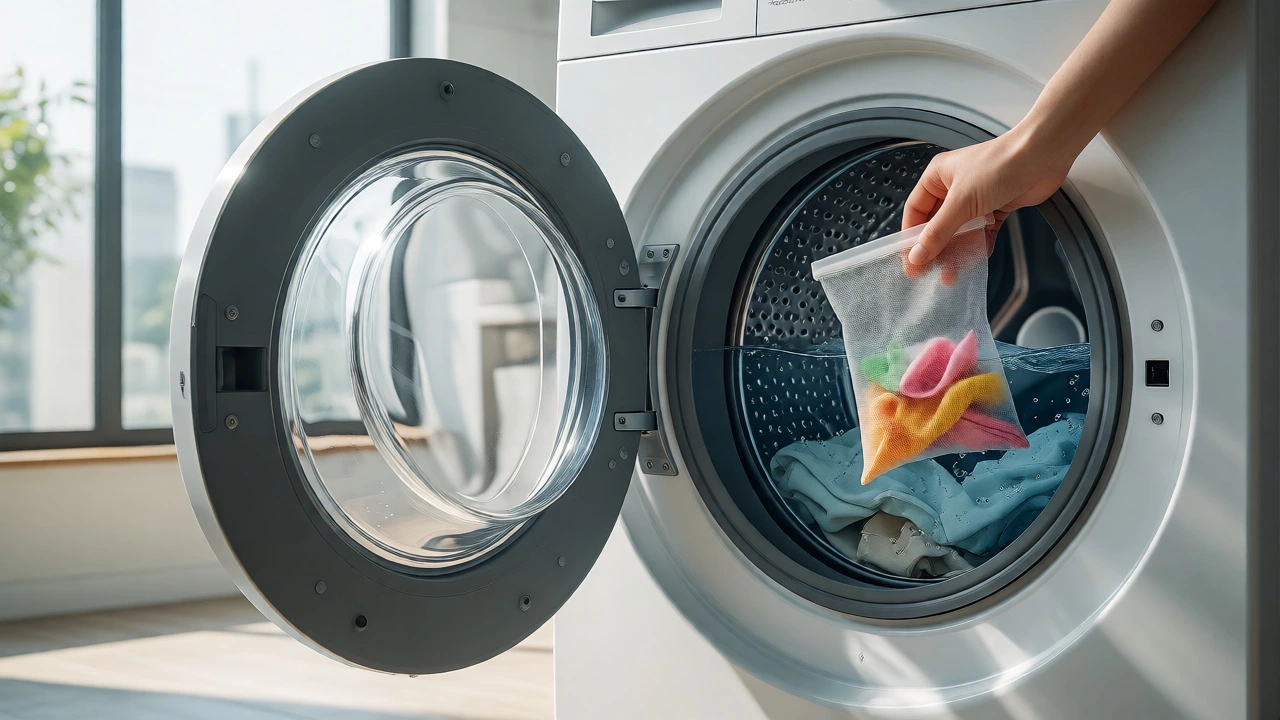
Microplastics are another silent issue. Synthetic fabrics shed tiny plastic fibers during washing. These bypass filtration systems and enter oceans. Installing a microfiber-catching filter, like a Cora Ball or a washing machine lint trap attachment, can capture thousands of fibers per load. It’s a small step, but multiplied across millions of households, the impact is massive.
Spotting Greenwashing
Be skeptical of vague claims. Terms like "natural," "green," or "earth-friendly" aren't regulated strictly. If a bottle says "biodegradable," ask: biodegrades how fast? Under what conditions? True biodegradability means breaking down within 28 days under OECD standards. Look for specific percentages of plant-based ingredients. Anything below 70% is questionable.
Watch out for "free-from" lists that omit key toxins but hide others. A product might be free of phosphates but loaded with synthetic musks. Always cross-reference with trusted databases like the Environmental Working Group’s (EWG) Healthy Cleaning database if you’re unsure about a specific brand.
Making the Switch: A Practical Checklist
Ready to change your routine? Here’s a simple plan:
- Audit your current detergent. Check the ingredient list for hidden fragrances and petroleum-based surfactants.
- Choose a format that fits your lifestyle. Sheets for convenience, powder for economy, liquid for familiarity.
- Verify certifications. Look for Ecocert, Green Seal, or Safer Choice logos.
- Switch to cold-water washing to save energy and protect delicate fabrics.
- Replace dryer sheets with wool balls and vinegar for softening.
- Add a microfiber filter to catch plastic shedding from synthetics.
Transitioning to eco-friendly laundry doesn't require perfection. Start with one swap, like ditching the plastic jug for a box of powder. Then refine from there. Every load washed with a safer formula reduces the chemical load on our waterways. And frankly, your clothes will smell cleaner without the artificial perfume overload.
Is eco-friendly laundry detergent as effective as regular detergent?
Yes, for most everyday loads. Modern eco-detergents use enzymes and plant-based surfactants that tackle dirt and odors effectively. However, for heavy industrial grease or severe staining, you might need a pre-treatment or a specialized stain remover, as eco-formulas prioritize gentleness and biodegradability over aggressive chemical stripping.
Do laundry sheets really work in cold water?
Most do, but performance varies by brand. Some sheets dissolve slower in temperatures below 20°C (68°F). To ensure full dissolution, place the sheet directly against the drum before adding clothes, or run a short warm rinse cycle if your machine allows. Check user reviews for specific brands regarding cold-water performance.
Why is plastic packaging bad for laundry detergent?
Plastic jugs are heavy, requiring fossil fuels for production and transportation. Since liquid detergent is mostly water, you're paying to ship water globally. Furthermore, only a fraction of plastic bottles are actually recycled; most end up in landfills or oceans. Alternatives like cardboard, compostable pouches, or solid formats significantly reduce this waste stream.
Can I make my own eco-friendly detergent?
You can, using ingredients like washing soda, borax, and grated castile soap. However, DIY versions lack the enzymes found in commercial eco-products, making them less effective on protein stains. They also risk leaving soap scum in high-efficiency machines. Commercial eco-brands offer a more balanced formulation for modern washing machines.
Are fragrance-free detergents better for the environment?
Generally, yes. Fragrances often contain phthalates and volatile organic compounds (VOCs) that contribute to air and water pollution. Fragrance-free options eliminate these additives, reducing potential toxicity to aquatic life and minimizing allergic reactions for humans. If you miss the scent, add a drop of essential oil to your wool dryer balls instead.