Carpet Cleaner Decision Tool
Answer three quick questions to determine which professional cleaning method best fits your home's specific needs.
1. What is the primary issue with your carpets?
2. How much time do you have for drying?
3. What is your top priority?
You’re standing in your living room, staring at a stubborn red wine stain that has survived two attempts with DIY sprays. You need professional help, but the decision between Chem-Dry and Stanley Steemer feels overwhelming. Both are household names in the UK and US, both promise deep clean results, but they use fundamentally different methods. Choosing the wrong one can mean paying for a service that leaves your carpets damp for days or fails to remove allergens you actually care about.
This isn’t just about price. It’s about how the cleaning method interacts with your specific flooring, your family’s health needs, and your timeline. One company relies on a proprietary low-moisture technology, while the other sticks to traditional high-pressure steam. Understanding these mechanical differences is the key to making a smart choice for your home.
The Core Difference: Low Moisture vs. Hot Water Extraction
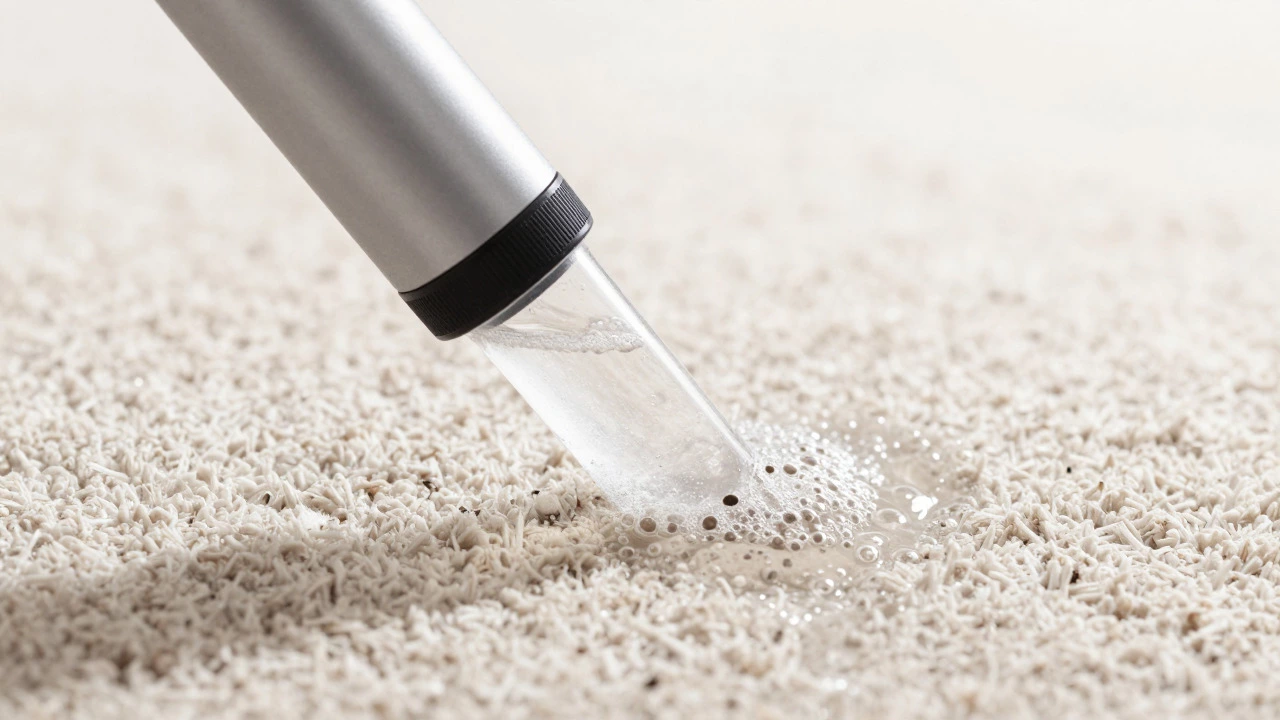
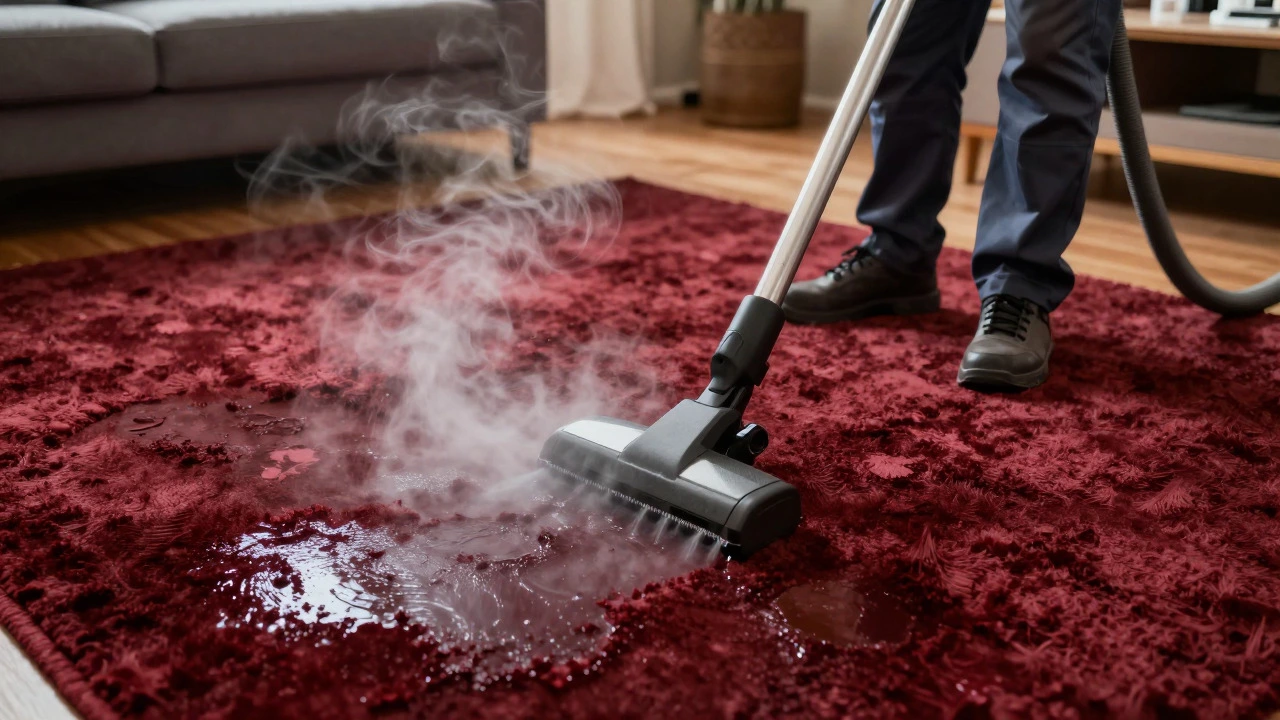
At its heart, this comparison comes down to two distinct approaches to removing dirt from carpet fibers. Chem-Dry uses a process called Carbonated Dry Cleaning. This method involves injecting a carbonated solution into the carpet, which lifts dirt to the surface using bubbles rather than soaking the fibers. The solution is then extracted quickly, leaving very little moisture behind. In contrast, Stanley Steemer utilizes Hot Water Extraction, commonly known as steam cleaning. This technique injects water heated to around 200°F (93°C) under high pressure to dissolve soil, followed by powerful suction to remove the dirty water.
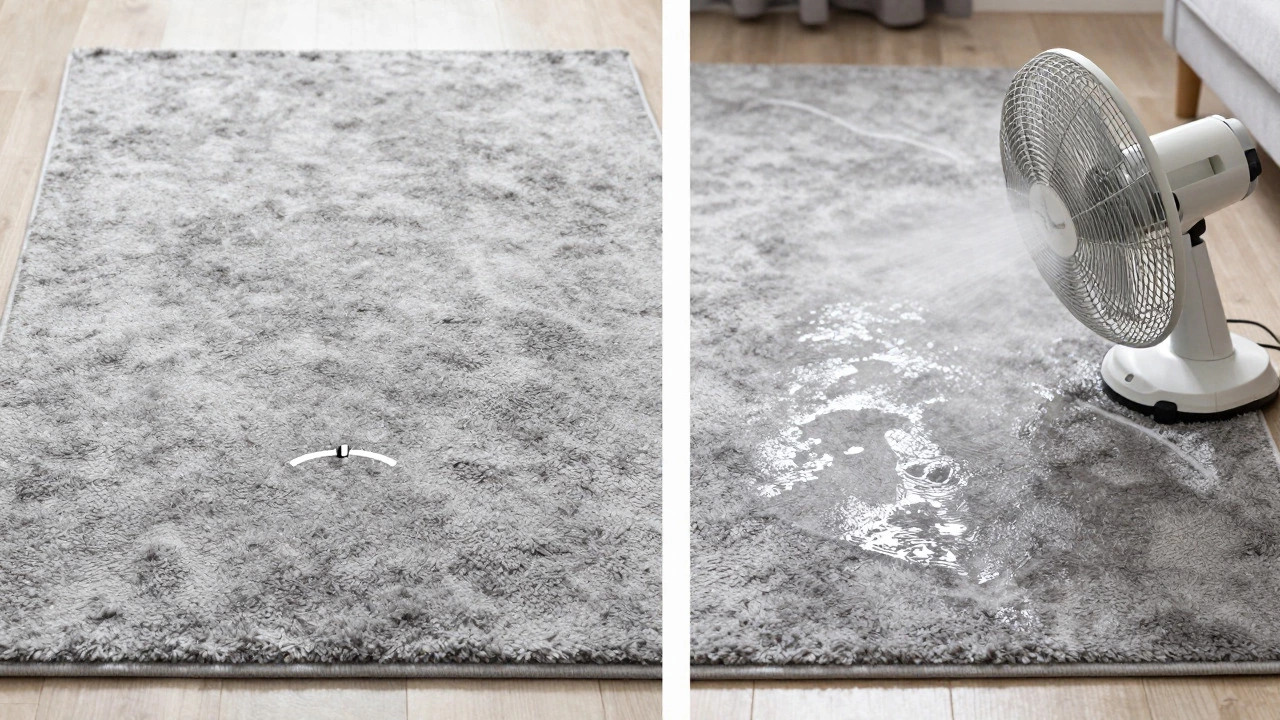
The implications of these methods are immediate. Because Chem-Dry uses less water, your carpets typically dry within 1 to 2 hours. This is a massive advantage if you have small children who want to run around the house immediately after the cleaners leave, or if you live in a climate where humidity makes drying slow. Stanley Steemer’s method, being wetter, usually requires 4 to 12 hours for complete drying, depending on ventilation and humidity levels. If you plan to move furniture back into place right away, the low-moisture approach offers significantly more flexibility.
Deep Clean Performance and Stain Removal
When it comes to everyday dust, pet hair, and general grime, both services perform exceptionally well. However, their strengths diverge when dealing with specific types of stains. Hot water extraction is historically considered superior for heavy soiling because the heat helps break down oils and grease more effectively. If your carpets are heavily stained with cooking oil or thick mud, the thermal energy in Stanley Steemer’s process can be a decisive factor in lifting those particles completely.
On the other hand, Chem-Dry’s carbonation process is highly effective for biological stains like pet accidents, coffee, and wine. The carbon dioxide bubbles act as a mild abrasive that loosens organic matter without the aggressive agitation that sometimes damages delicate fibers. Many pet owners prefer Chem-Dry specifically because the rapid drying time prevents the musty smell that can develop if a carpet remains damp too long-a common issue with wetter cleaning methods if not ventilated properly.
Allergies, Health, and Indoor Air Quality
If you or a family member suffers from asthma or allergies, the cleaning method matters beyond just aesthetics. Mites and pollen thrive in damp environments. Since Chem-Dry leaves carpets nearly dry, it reduces the window of opportunity for mold spores or bacteria to grow during the drying phase. This makes it a popular choice for households with sensitive respiratory systems.
Stanley Steemer addresses this concern through their use of high-temperature water. Heat is a natural disinfectant, killing up to 99% of dust mites and bacteria on contact. For those who prioritize thermal sanitization over speed, this is a compelling argument. However, you must ensure adequate airflow during the 6+ hour drying period to prevent any secondary microbial growth. Both companies offer eco-friendly detergent options, but you should always ask specifically about the pH balance of the solutions used, as some harsh chemicals can irritate sensitive skin even after rinsing.
Pricing, Availability, and Service Models
Cost is rarely a fixed number; it depends on square footage, carpet type, and local market rates. Generally, prices per room range between £35 and £60 in the UK, though complex stains or high-end wool carpets can push this higher. Chem-Dry often positions itself as a premium service due to its specialized equipment and training requirements. Stanley Steemer, being part of the larger Stanley Black & Decker ecosystem, may offer bundled deals if you also need rug cleaning or upholstery services.
A critical distinction lies in their business models. Chem-Dry operates primarily through independent franchisees. This means your experience can vary slightly based on the local technician’s skill level and adherence to corporate standards. Stanley Steemer also uses franchises but has a long-standing reputation for strict quality control checks. Before booking, check recent reviews for your specific local branch. A five-star rating in Bristol might differ vastly from one in London due to individual operator practices. Always request a written quote that includes details on pre-treatment, main cleaning, and post-care instructions.
| Feature | Chem-Dry | Stanley Steemer |
|---|---|---|
| Cleaning Method | Carbonated Dry Cleaning (Low Moisture) | Hot Water Extraction (Steam) |
| Drying Time | 1-2 Hours | 4-12 Hours |
| Best For | Allergies, Pet Stains, Quick Turnaround | Heavy Soil, Oils, Thermal Sanitization |
| Moisture Level | Very Low | High |
| Fiber Impact | Gentle, Less Agitation | Thorough, Higher Pressure |
Long-Term Carpet Care and Maintenance
The cleaning service is just the start; how you maintain your carpets afterward determines their lifespan. After a Chem-Dry treatment, you can vacuum immediately once the carpet is dry to the touch. This allows for a faster return to normal routine. With Stanley Steemer, you should keep foot traffic minimal until the carpet is fully dry to avoid re-soiling the damp fibers. Walking on wet carpet can push dirt back into the base, negating the deep clean.
Both companies recommend professional cleaning every 12 to 18 months for average household usage. High-traffic areas or homes with pets may benefit from quarterly maintenance. Regardless of which provider you choose, consistent vacuuming with a HEPA filter bag is the single most effective way to extend the life of your investment. Avoid using excessive water-based DIY cleaners between professional visits, as residue buildup attracts more dirt over time.
Which One Should You Choose?
If speed and allergy relief are your top priorities, lean towards Chem-Dry. The rapid drying time is hard to beat for busy families or rental properties where turnover is quick. If your carpets are heavily soiled with oily residues or you value the sanitizing power of heat, Stanley Steemer’s hot water extraction is the robust choice. Neither is objectively "better" in a vacuum; the right choice depends on your specific floor condition and lifestyle constraints. Check local availability, read recent reviews for your area, and ask for a sample test patch if you have delicate wool or silk carpets. Your carpets deserve a clean that fits your life, not just a generic wash.
Is Chem-Dry really dry cleaning?
It is technically "low-moisture" cleaning rather than true dry cleaning (which uses solvents). It uses a carbonated solution that extracts dirt with minimal water, leaving carpets much drier than traditional steam cleaning.
Can I walk on my carpet immediately after Stanley Steemer?
It is best to wait until the carpet is dry to the touch, which can take several hours. Walking on damp carpet can transfer dirt back into the fibers and cause tracking marks.
Which method is better for pet urine stains?
Chem-Dry is often preferred for pet stains because the carbonation helps lift organic odors, and the fast drying time prevents lingering smells associated with dampness.
Do both companies use eco-friendly products?
Yes, both offer biodegradable, non-toxic cleaning solutions. However, you should confirm with your local provider that they are using the current eco-certified formulas for your specific job.
How often should I professionally clean my carpets?
For most homes, every 12 to 18 months is ideal. Households with pets or young children may need cleaning every 6 to 12 months to manage allergens and wear.