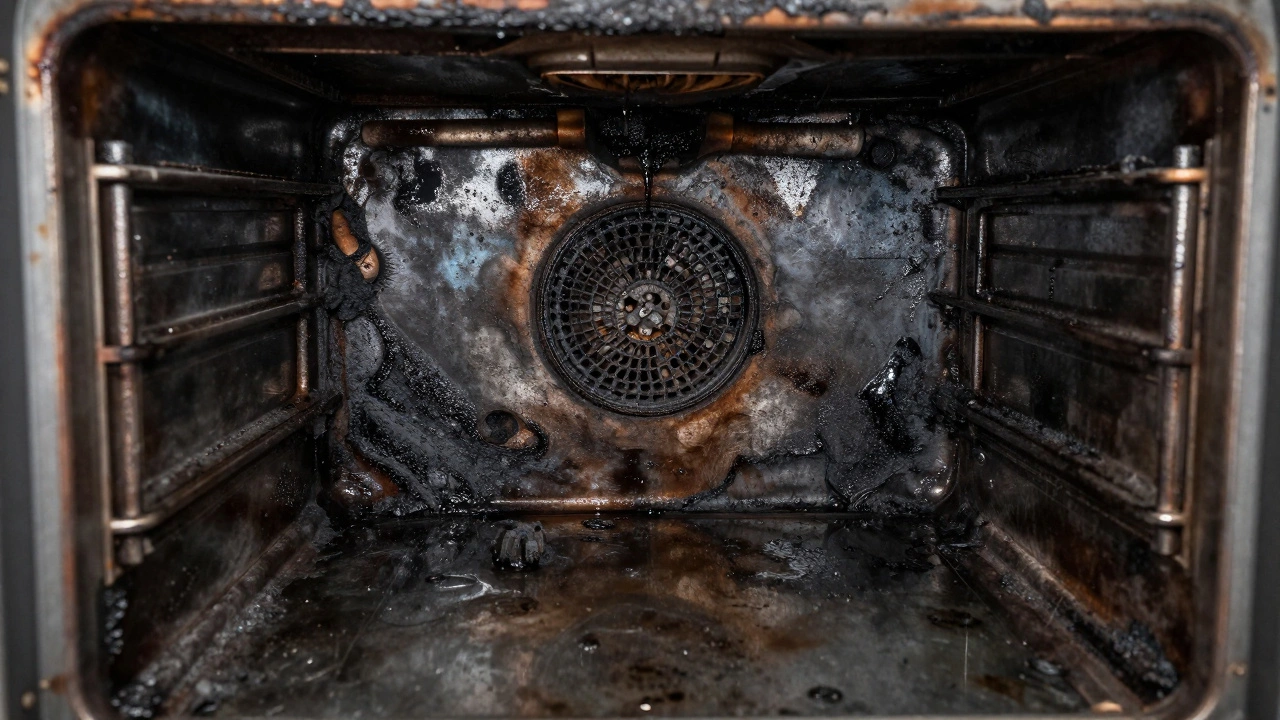
Oven Cleaning Method Selector
Select your current situation to find the most effective and appropriate cleaning method:
Light Grease
Occasional spills or weekly maintenance.
Heavy Buildup
Thick layers, but prefer non-toxic options.
Carbonized Crust
Burnt-on food that won't budge.
Dish Soap or Steam Clean
Best For: Surface grease and light spills.
Time Required: 15-30 Minutes
Approach: Use a damp cloth with dish soap or your oven's built-in steam function for a quick refresh.
Very High (Safe)
Baking Soda Paste
Best For: Eco-friendly deep cleaning and grease removal.
Time Required: 12+ Hours (Overnight)
Approach: Mix baking soda with water into a paste, spread on greasy areas, let sit overnight, and rinse with white vinegar.
High (Safe)
Commercial Caustic Sprays
Best For: Burnt-on carbon and extreme industrial-strength grime.
Time Required: 30-60 Minutes
Approach: Apply gel-based cleaner, allow to saponify the grease, and wipe away. Warning: Use gloves and ensure ventilation.
Low (Toxic/Caustic)
Let's be honest: there is no single magic bottle that works for everyone. If you want a deep clean in ten minutes, you need heavy chemicals. If you have a toddler crawling around the kitchen and want to avoid toxic residue, you'll be reaching for the pantry staples. The goal is to break the molecular bond between the carbonized food and the metal surface without scratching the enamel.
- Baking Soda: The gold standard for natural cleaning. It's mildly alkaline, which helps dissolve grease.
- Caustic Soda: The powerhouse in commercial sprays. It eats through grease but can burn your skin.
- White Vinegar: An acidic agent used to rinse away residue and add shine.
- Dish Soap: Great for surface cleaning but lacks the strength for carbonized spills.
The Heavy Hitters: Commercial Chemical Cleaners
When the grime is so thick you can't see the bottom of the oven, a oven cleaner is a specialized chemical agent, often containing sodium hydroxide, designed to dissolve baked-on carbon and grease. These are the fast-track option. Most commercial sprays use a process called saponification, where the cleaner turns the grease into a type of soap that can be easily wiped away.
If you use a strong chemical cleaner, you have to be careful. The fumes can be overwhelming, and if you get the gel on the heating elements, you might cause a malfunction. I've seen people accidentally melt the seals on their oven doors by leaving high-pH cleaners on for too long. Always check if your oven is "self-cleaning" before using these; if it has a pyrolytic function, adding heavy chemicals can actually damage the interior lining.
For those with extreme buildup, look for cleaners that specify they are 'heavy duty' or 'industrial strength'. These usually come in a gel form that clings to the walls of the oven, preventing the product from dripping into the burners. Just remember: gloves and open windows are non-negotiable here.
The Natural Route: Baking Soda and Vinegar
If you can't stand the smell of chemicals, Baking Soda is your best friend. It is a sodium bicarbonate powder that acts as a mild abrasive and a degreaser. It's not as fast as a chemical spray, but it's significantly safer for your lungs and the planet.
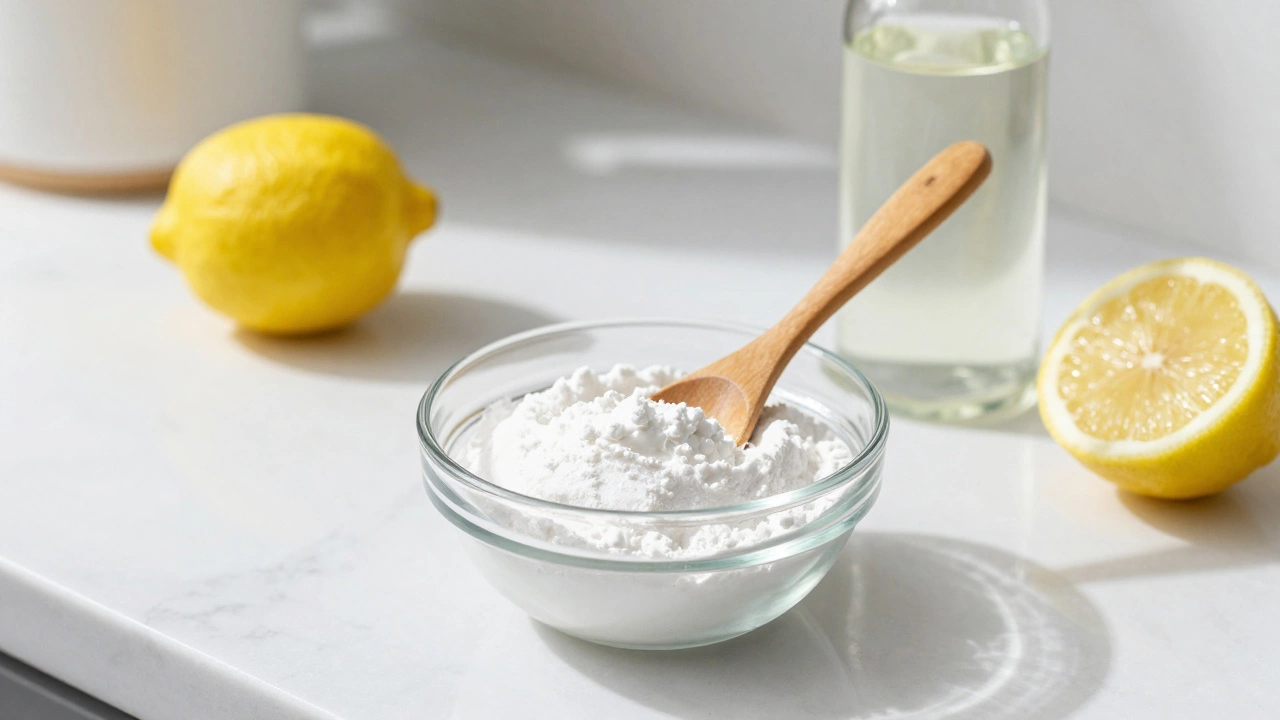
The trick here is the "paste method". You mix about a half-cup of baking soda with a few tablespoons of water until you have a spreadable paste. Spread this over the greasy areas-avoiding the heating elements-and let it sit. The key is patience. If you leave it for 12 hours (essentially overnight), the alkalinity of the soda works into the grease, loosening it from the enamel.
After the wait, you use a damp cloth to wipe out the paste. For the stubborn bits that won't budge, spray a bit of White Vinegar-which is a diluted acetic acid solution-directly onto the baking soda residue. It will fizz up, creating a chemical reaction that lifts the last of the grime. It's a satisfying process, though it takes way more elbow grease than a store-bought spray.
Comparing Your Options: Speed vs. Safety
Deciding between a professional chemical and a home remedy usually comes down to your priorities. If you are preparing for a house guest or a rental inspection, you probably want the speed of a chemical. If you are doing a weekly maintenance clean, the natural approach is better.
| Product Type | Cleaning Power | Safety Level | Time Required | Best For |
|---|---|---|---|---|
| Caustic Sprays | Extreme | Low (Toxic) | 30-60 Mins | Burnt-on carbon |
| Baking Soda Paste | High | High (Safe) | 12+ Hours | Eco-friendly deep clean |
| Dish Soap/Water | Low | Very High | 15 Mins | Light surface grease |
| Steam Cleaners | Medium | High | 30 Mins | Light to Medium grime |
The Role of Steam Cleaning
Many modern ovens now come with a built-in steam clean function. If yours has this, it's often the best way to maintain the interior. Steam Cleaning is a process using high temperature and moisture to soften food residue without chemicals. You typically pour a bit of water into a designated tray at the bottom and run a short cycle.
Steam is great for light spills, but it won't touch a three-year-old layer of burnt lasagna. If you use a handheld steam cleaner (the kind you buy as a standalone tool), you get more concentrated heat. This is particularly useful for cleaning the oven door glass and the gaskets, where you wouldn't want to spray harsh chemicals that could degrade the rubber seals.
Dealing with Oven Racks
Don't forget the racks. Trying to scrub them inside the oven is a nightmare. The best product for Oven Racks-the removable metal grids used to hold baking trays-is actually a soak. If you have a bathtub or a large plastic bin, fill it with hot water and a generous amount of dish soap or a dedicated degreaser.
Let the racks soak for at least four hours. Once the grease has softened, a scouring pad or a stiff brush will take the grime right off. If they are really bad, some people use a paste of baking soda and dish soap, scrubbing it in with a brush before rinsing. Avoid using steel wool on coated racks, as it can strip the finish and lead to rusting.
Common Pitfalls to Avoid
One of the biggest mistakes I see is people using abrasive tools like metal scrapers or steel wool on the enamel. Oven interiors are coated with a glass-like enamel. Once you scratch it, you create tiny grooves where grease and food will stick even more stubbornly in the future. Always use a non-scratch sponge or a microfiber cloth.
Another danger is the "self-clean" button. Pyrolytic cleaning heats the oven to nearly 500°C (900°F) to burn everything to ash. While it sounds great, it's incredibly taxing on the oven's electronics and can occasionally blow a thermal fuse. Plus, the smell of burning food filling your house for three hours is rarely a pleasant experience. If you use this feature, make sure you've removed the racks first, as the high heat can warp them or strip their coating.
Maintenance: How to Keep It Clean Longer
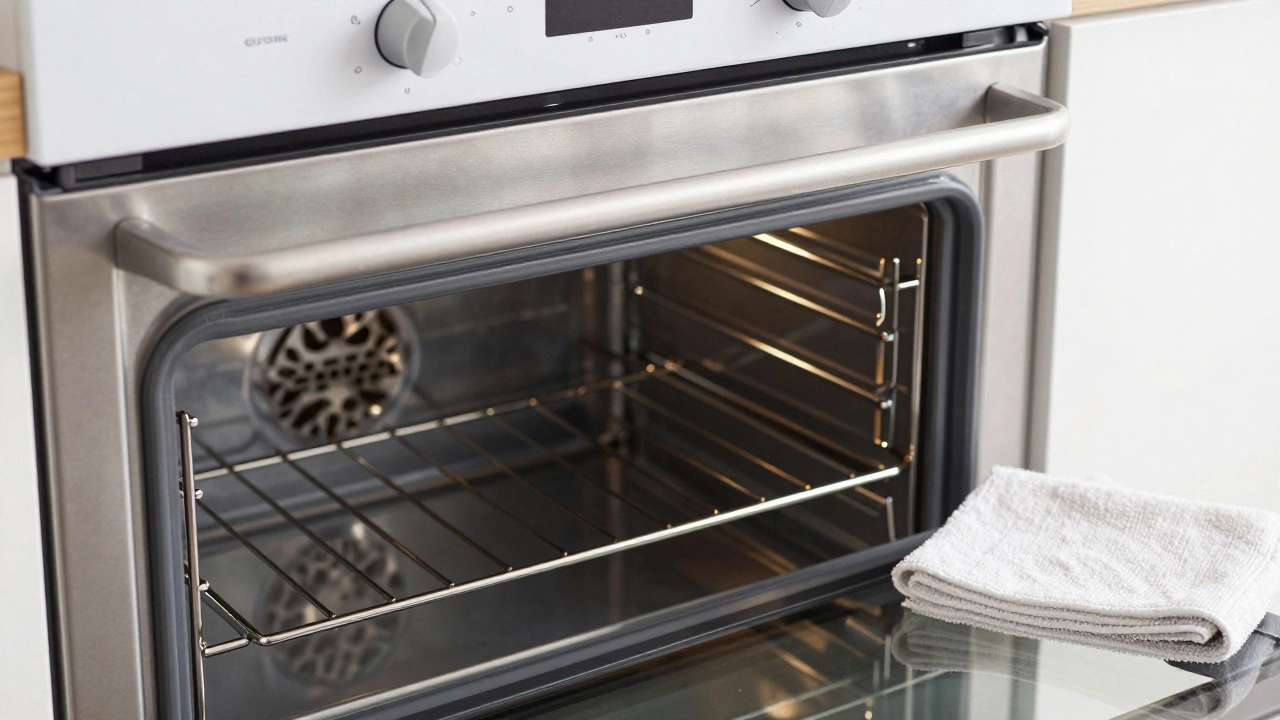
The best way to deal with oven grime is to stop it from becoming a problem. A simple rule: if something spills, wipe it up as soon as the oven cools down. Once that spill is baked on twice more, it becomes a permanent part of the appliance.
Using Oven Liners-which are non-stick mats or foils placed at the bottom of the oven to catch drips-can save you hours of scrubbing. Just make sure they aren't touching the heating elements or the floor of a pyrolytic oven, as they can melt or cause a fire. A quick wipe with a damp cloth once a week prevents the buildup that requires those scary caustic cleaners in the first place.
Can I use vinegar and baking soda together in a bottle?
No, don't mix them in a closed bottle. They neutralize each other, turning into salty water and carbon dioxide gas. If you mix them in a sealed container, the pressure can build up and cause the bottle to burst. The magic happens when you apply the baking soda first and then spray vinegar on top of it to create a lifting foam.
Is it safe to leave oven cleaner in overnight?
It depends on the product. Baking soda paste is perfectly safe for overnight use. However, strong caustic cleaners can be too aggressive. If left too long, they can eat into the enamel or damage the rubber door seals. Always follow the manufacturer's timing instructions on the bottle.
What is the best way to clean the glass door?
Avoid harsh abrasives on the glass. A paste of baking soda and water is the safest bet. Apply it, let it sit for 20 minutes, and wipe it away. For a streak-free finish, finish with a splash of white vinegar or a glass cleaner.
Why does my oven smell like chemicals after cleaning?
This happens if you didn't rinse the interior thoroughly after using a commercial cleaner. Residue can bake into the walls and release fumes the next time you heat the oven. Wipe the interior with a damp cloth several times and run the oven empty at a high temperature for 30 minutes to clear out any remaining scents.
Can I use a dishwasher tablet to clean my oven?
Some people swear by dissolving a dishwasher tablet in hot water and scrubbing with it. While the enzymes and surfactants help break down grease, it's not as effective as baking soda or caustic soda for heavy carbon buildup. It works well for light maintenance but isn't a "best product" for deep cleaning.