Eco-Friendly Disinfectant Selector
What are you cleaning? Select your scenario to find the most effective and sustainable solution.
Recommended Agent
Description goes here.
Tip goes here.
Quick Takeaways
- Hydrogen Peroxide is a top-tier eco-friendly choice because it breaks down into water and oxygen.
- Citric Acid and Acetic Acid (vinegar) work for mild cleaning but aren't hospital-grade disinfectants.
- Thymol, derived from thyme oil, is a powerful plant-based alternative to bleach.
- Avoid "greenwashed" products that use synthetic fragrances or phthalates.
The Truth About Natural Disinfectants
First, we need to clear up a big misconception. There is a massive difference between a "cleaner" and a "disinfectant." A cleaner, like a mild soap, moves dirt and grime off a surface. A disinfectant, however, uses chemicals to actually kill bacteria and viruses on that surface. When you look for environmentally friendly disinfectants is a product designed to eliminate harmful microorganisms while minimizing toxic runoff and air pollution.
Many people reach for White Vinegar, which contains acetic acid. While it's great for removing hard water stains from a kettle or cleaning a window, it doesn't kill enough dangerous pathogens to be a true medical-grade disinfectant. If you're cleaning up raw chicken juice on a counter, vinegar won't cut it. You need something that can break through the cellular walls of a virus or bacteria without leaving a trail of poison in your groundwater.
The Heavy Hitters: Safe and Effective Options
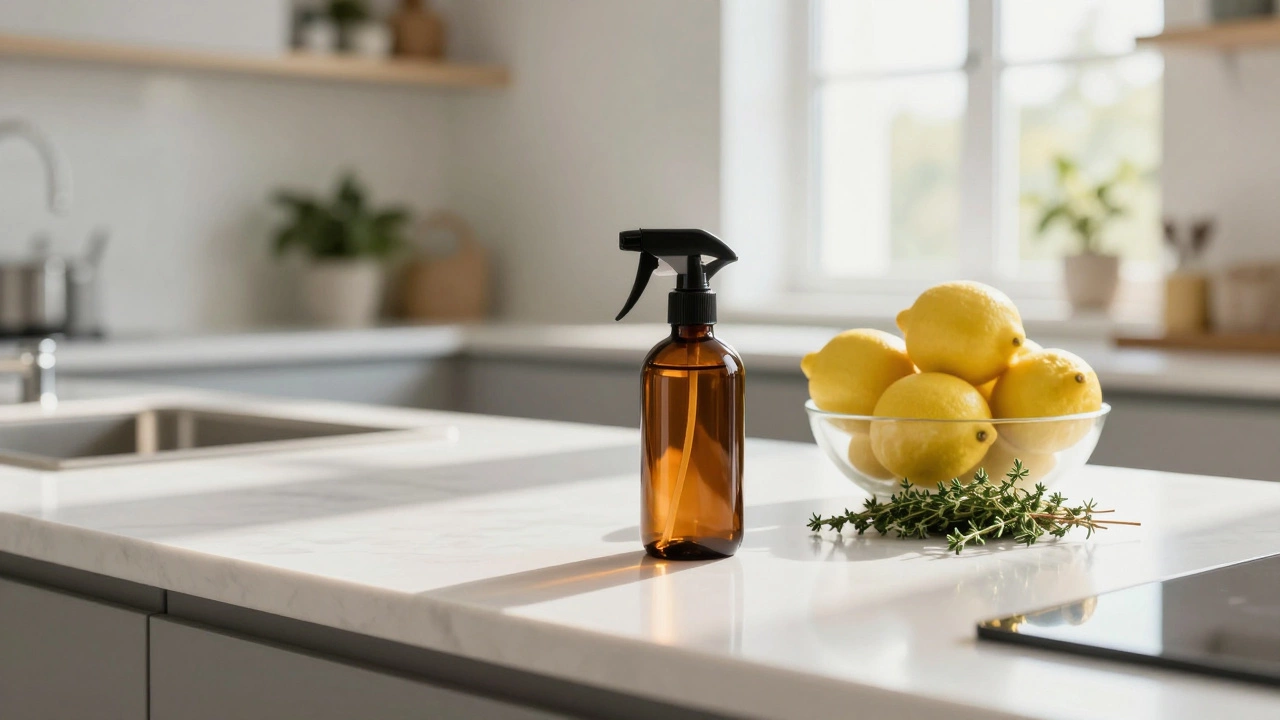
If you want something that actually works but won't harm your pets or the local fish population, look into these specific options. One of the most reliable choices is Hydrogen Peroxide. It's an oxidative agent, meaning it produces free radicals that attack microbial membranes. The best part? It breaks down into simple water and oxygen. You can find it in 3% concentrations at most drugstores. It's fantastic for countertops and bathroom tiles, though you should keep it in a dark bottle because light makes it lose its potency.
Then there is Thymol. This is a naturally occurring phenol found in oil of thyme. Unlike bleach, which can irritate your lungs and bleach your clothes, thymol-based cleaners are generally safer to handle and have a pleasant, herbal scent. They are often used in professional "green" cleaning services because they are effective against a wide range of bacteria while being biodegradable.
For those who prefer a more acidic approach, Citric Acid is a powerhouse. It's found in lemons and limes and is excellent for removing lime scale. While not as broad-spectrum as hydrogen peroxide, it's very effective against certain types of bacteria and is completely safe if a little bit gets on the floor where a toddler might crawl.
| Agent | Primary Source | Best Use Case | Environmental Impact | Strength |
|---|---|---|---|---|
| Hydrogen Peroxide | Chemical synthesis/Industrial | Kitchen counters, sinks | Very Low (Water + Oxygen) | High |
| Thymol | Thyme Oil | General surfaces, floors | Low (Biodegradable) | Medium-High |
| Citric Acid | Citrus fruits | Bathrooms, descaling | Very Low | Medium |
| White Vinegar | Fermentation | Glass, light dusting | Very Low | Low |
Avoiding the Greenwashing Trap
When you're shopping, you'll see a lot of "natural" or "eco-safe" labels. Be careful. Many companies use these terms as marketing tools rather than scientific descriptions. This is called greenwashing. A product might be "plant-derived" but still contains Phthalates, which are chemical compounds used to make fragrances last longer but are linked to hormone disruption in humans and animals.
Check the label for "fragrance" or "parfum." If a company won't tell you exactly what's in the scent, it's probably not as eco-friendly as they claim. Also, watch out for Quaternary Ammonium Compounds (Quats). You'll find these in many "natural" wipes. While they kill germs, they are notorious for being persistent in the environment and can contribute to antibiotic resistance in bacteria.
Instead, look for certifications. In the UK and Europe, look for the EU Ecolabel. This means the product has been vetted for its entire lifecycle, from the raw materials used to how the bottle is recycled. If you see that leaf and star logo, you can generally trust that the product isn't just pretending to be green.
How to Use Green Disinfectants Correctly
The biggest mistake people make with eco-friendly cleaners is using them like a magic wand-spraying and immediately wiping. Even a harsh chemical needs "dwell time" to actually kill germs. For a natural disinfectant to work, it usually needs to stay wet on the surface for 5 to 10 minutes.
- Clean first: Use a simple soap or a microfiber cloth to remove visible dirt. Disinfectants can't get through a layer of grease or crumbs.
- Apply the agent: Spray your hydrogen peroxide or thymol-based cleaner evenly across the surface.
- Wait: This is the critical part. Let the solution sit. If it dries too quickly, spray it again.
- Wipe: Use a clean cloth or biodegradable paper towel to wipe the surface clean.
One huge warning: Never mix your cleaners. You might be tempted to mix vinegar and bleach to get a "super cleaner," but this creates chlorine gas, which is toxic and can send you straight to the hospital. Even mixing vinegar and hydrogen peroxide in the same bottle creates peracetic acid, which is corrosive and can irritate your skin and eyes.
The Role of Microfiber and Steam
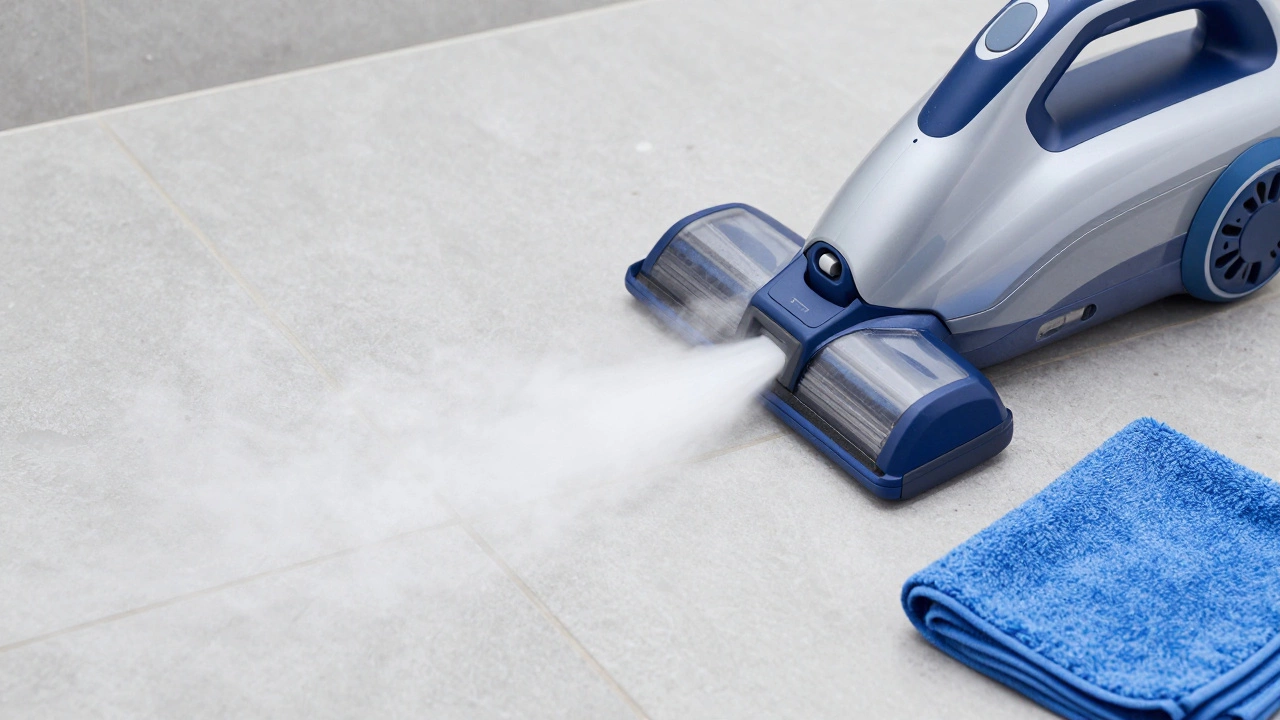
If you want to reduce your chemical footprint even further, you don't always need a liquid disinfectant. Microfiber Cloths are engineered with tiny fibers that mechanically grab and lift bacteria and viruses off a surface. When used with just water, a high-quality microfiber cloth can remove a significant percentage of germs without a single drop of chemical.
For the deep cleans, Steam Cleaning is the gold standard. A steam cleaner uses pressurized water vapor to heat surfaces to temperatures that kill most bacteria and viruses on contact. It's completely chemical-free and works wonders on grout, carpets, and hardwood floors. It's a one-time investment that removes the need for dozens of plastic bottles of spray.
Making the Switch: A Practical Transition
You don't have to throw everything in your cupboard away today. Start by replacing the things you use most. If you use a harsh bleach spray every day for the kitchen, swap it for a 3% hydrogen peroxide solution. If you use an ammonia-based glass cleaner, switch to a mix of water and a tiny bit of dish soap or vinegar.
As you move toward a greener home, you'll likely notice that your air feels fresher. Harsh chemicals leave behind Volatile Organic Compounds (VOCs) that linger in your curtains and carpets. By choosing plant-based or oxidative disinfectants, you're not just protecting the rivers and oceans; you're making your own home a healthier place to breathe. It's a win-win for your family and the planet.
Is vinegar a strong enough disinfectant for a kitchen?
For daily cleaning and removing grime, yes. However, vinegar is not a registered disinfectant. It cannot reliably kill dangerous pathogens like Salmonella or E. coli. For food-prep areas where raw meat was handled, use hydrogen peroxide or a certified eco-friendly disinfectant.
Is hydrogen peroxide safe for all surfaces?
Most surfaces like laminate, tile, and stainless steel are fine. However, be careful with unsealed stone, like some types of marble or granite, as the oxidative action can occasionally cause spotting or etching. Always test a small, hidden area first.
Why are some "natural" cleaners still harmful?
Many use "greenwashing" tactics. They might use plant-based surfactants but still include synthetic fragrances (phthalates) or preservatives that are toxic to aquatic life or cause skin irritation. Look for third-party certifications like the EU Ecolabel to be sure.
Can I make my own eco-friendly disinfectant at home?
Yes, using ingredients like citric acid or diluted hydrogen peroxide. However, remember that homemade solutions often lack preservatives, meaning they can grow bacteria if stored too long. Make small batches and use them quickly.
What is the best chemical-free way to kill germs?
Steam cleaning is the most effective chemical-free method. The high temperature of the steam destroys the cell membranes of most microbes. Combining this with high-quality microfiber cloths for regular cleaning is the most sustainable approach.