Cleaning Deposit Return: How to Get Your Security Deposit Back After Professional Cleaning
When you move out, your cleaning deposit return, the process of getting your security deposit back after a professional or thorough cleaning. Also known as move-out cleaning deposit, it’s not just about making the place look nice—it’s about meeting legal and landlord expectations to avoid unfair deductions. Many tenants lose part or all of their deposit because they assume "clean" means "looks clean." But landlords and letting agents use checklists, photos, and sometimes third-party inspectors. They’re looking for proof that deep cleaning happened—especially in high-wear areas like kitchens, bathrooms, carpets, and windows.
That’s where professional cleaning, a targeted, documented service that goes beyond surface wiping to remove built-up grime, stains, and odors. Also known as end-of-tenancy cleaning, it’s a proven way to meet or exceed the standards set in your tenancy agreement. This isn’t just a quick vacuum and wipe-down. It’s steam-cleaning upholstery, scrubbing oven interiors, removing limescale from taps, cleaning behind appliances, and treating mold in grout. Landlords notice the difference. A professional clean shows you took responsibility. And in many cases, it’s the only thing that stops them from keeping your deposit for "excessive dirt."
It’s not just about the cleaning itself—it’s about documentation, the paper trail that proves cleaning was done to a high standard. Also known as cleaning certificate, it’s your best defense if your landlord tries to withhold funds. Reputable cleaning services provide a signed checklist, before-and-after photos, and sometimes even a certificate. This isn’t fluff—it’s evidence. If your landlord claims you left a stained carpet, but you have a photo of a steam-cleaned one with the cleaner’s stamp, you’ve already won the argument.
Don’t assume your landlord will be fair. They’re not trying to be cruel—they’re trying to protect their asset. And if your place isn’t cleaned to their standard, they’ll use your deposit to cover it. But you don’t have to guess what "good enough" looks like. The posts below give you real, tested methods for cleaning exactly what matters: how to remove stubborn kitchen grease, how to clean windows without streaks, how to deep clean a mattress after years of use, and even what surfaces you should never use vinegar on (yes, that includes stone countertops). You’ll also find checklists for builder’s cleans, tips for after-renovation cleanup, and what professional cleaners actually do when they show up with their gear.
Getting your deposit back isn’t luck. It’s preparation. It’s knowing the difference between normal wear and damage. It’s understanding that a dirty oven isn’t just unpleasant—it’s a financial risk. And it’s realizing that hiring a pro isn’t an expense—it’s an investment in your money. The right cleaning doesn’t just make your old home look better. It puts cash back in your pocket.
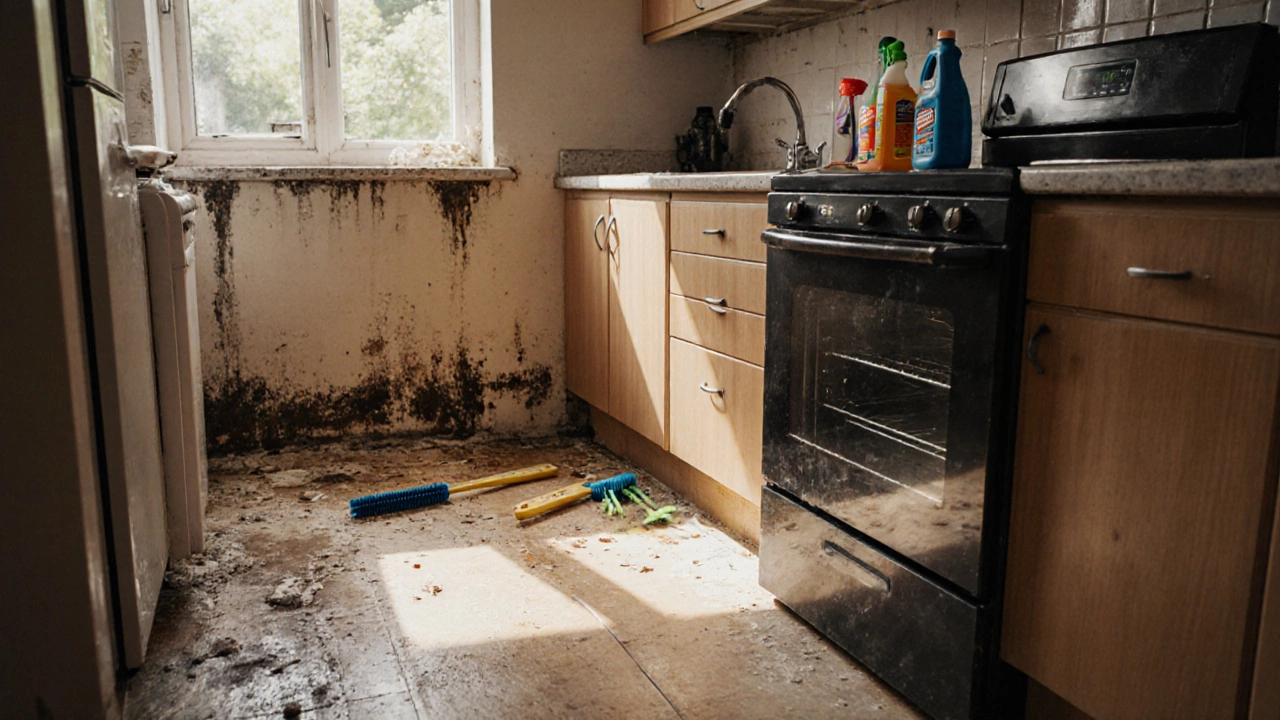
Is End of Tenancy Cleaning Worth It? Real Costs, Savings, and What Landlords Really Expect
End of tenancy cleaning isn't optional if you want your deposit back. Learn what landlords really expect, how much it costs, and why hiring a pro saves you time, stress, and money.
Read More