
Spring Cleaning Time Estimator
Estimate the total hours required for a thorough spring cleaning session. Adjust the sliders below to match your specific situation.
Estimated Total Time
Recommended Schedule:
...
You stare at the calendar. The weekend is approaching. You have this grand vision of a sparkling, dust-free sanctuary, but reality hits hard: how long does it take to spring clean a whole house? If you ask ten people, you’ll get ten different answers. Some say two days. Others swear they need a full week. The truth? It depends entirely on your definition of "clean" and how much clutter you’re willing to tackle.
For the average three-bedroom home with standard clutter levels, expect to spend between 15 and 20 hours total if you do everything yourself. That’s not one giant marathon day; that’s spread over several weekends or evenings. But if you hire help or break it down strategically, you can cut that time in half. Let’s break down exactly what you’re up against so you can plan your weekend without burning out before Tuesday.
The Reality Check: Why Time Estimates Vary Wildly
Before you block off your entire Saturday, understand why estimates fluctuate. A "standard" clean takes about 3-4 hours for a 3-bedroom house. Spring cleaning isn’t just scrubbing surfaces; it’s maintenance, decluttering, and deep restoration. If you skip decluttering, you might finish in 8 hours. If you decide to reorganize every pantry shelf and wash every baseboard, you’re looking at 20+ hours.
Your timeline hinges on three variables:
- Clutter Level: Do you have piles of clothes or boxes in the garage? Moving items takes longer than wiping them.
- Home Size: Square footage matters, but room count matters more. Five small rooms take less time than one massive open-plan area with high ceilings.
- Depth of Clean: Are you just vacuuming carpets, or are you shampooing them? Are you wiping windows inside, or also washing the tracks and sills?
Room-by-Room Breakdown: Where the Hours Go
To give you a realistic schedule, let’s look at a typical 3-bedroom, 2-bathroom home (approx. 1,500 sq ft). These times assume you are working alone and doing a thorough job, including moving furniture and detailed wiping.
| Area | Standard Clean (Mins) | Deep Spring Clean (Hours) | Key Tasks Included |
|---|---|---|---|
| Kitchen | 45 | 2.5 - 3 | Oven degreasing, fridge purge, cabinet interiors, backsplash scrub, appliance detail. |
| Bathrooms (per bath) | 30 | 1.5 - 2 | Grout scrubbing, shower head descaling, toilet deep clean, vanity organization, mirror streak removal. |
| Living Room / Dining | 30 | 1 - 1.5 | Vent cleaning, ceiling fan blades, upholstery spot clean, electronics dusting, floor care. |
| Bedrooms (per bed) | 20 | 0.5 - 1 | Under-bed vacuuming, closet declutter, window sill wipe-down, light fixture dusting. |
| Hallways & Stairs | 15 | 0.5 | Railing sanitization, stair tread vacuuming, banister polish, entryway mat shake-out. |
| Total Estimated Time | ~3 Hours | 15 - 20 Hours |
Notice the gap? Deep cleaning adds hours because you’re dealing with areas ignored during weekly chores. For instance, cleaning behind the refrigerator or under the stove requires pulling heavy appliances. That physical effort slows you down significantly compared to just wiping counters.
The Kitchen: The Biggest Time Sink
If you want to save time, focus your energy here. The kitchen usually eats up 20% of your total spring cleaning budget. Why? Grease and grime accumulate slowly. You can’t just spray and wipe like you do with daily spills.
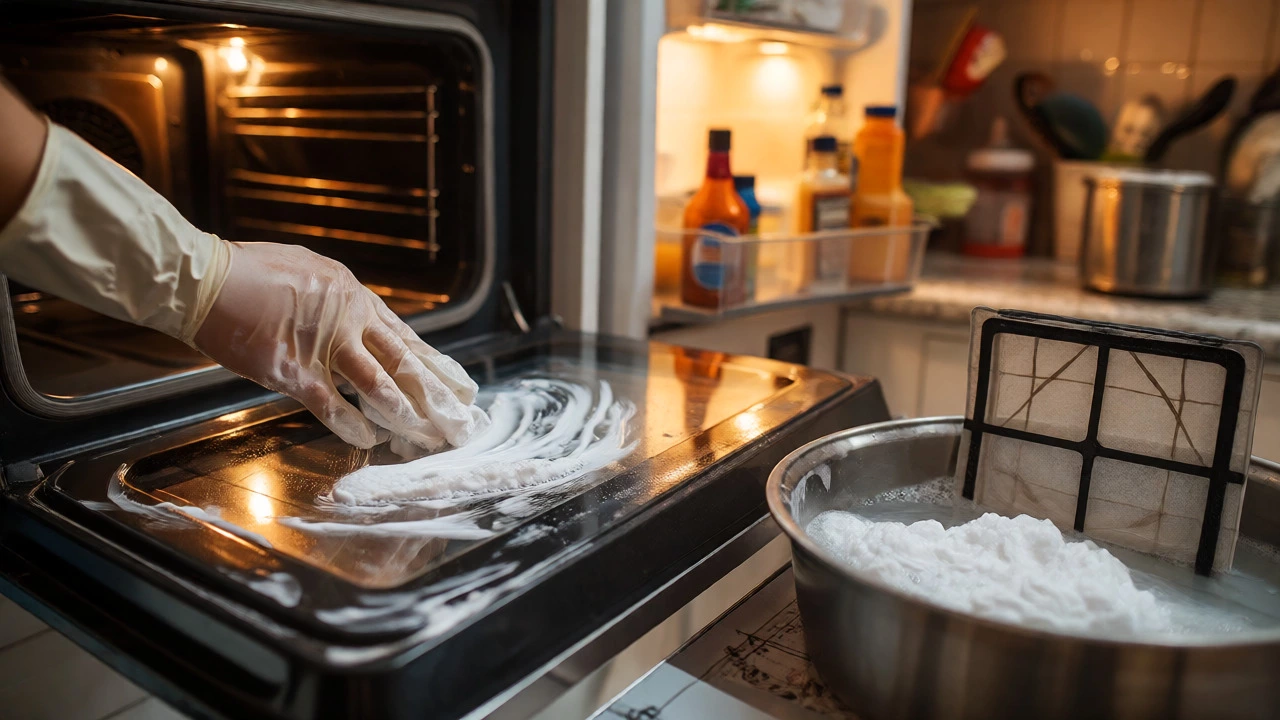
Start by emptying the fridge. Toss expired condiments and wipe shelves with warm soapy water. Next, tackle the oven. If you don’t use self-cleaning mode, apply a paste of baking soda and vinegar, let it sit for an hour, then scrub. This waiting period is perfect for moving to another task. Don’t forget the range hood filter-soak it in hot soapy water while you work elsewhere.
Pro tip: Clean top-to-bottom. Dust falls. If you vacuum first, you’ll end up vacuuming again after wiping cabinets.
Bathrooms: Scrubbing vs. Soaking
Bathrooms are smaller but dense with tasks. The biggest time-waster here is dried-on soap scum and mineral deposits. Instead of scrubbing hard for 20 minutes, let chemistry do the work. Spray your tub and shower walls with a bathroom cleaner or vinegar solution and walk away for 15 minutes. Go clean the toilets and sinks. Come back, and the grime will lift with minimal elbow grease.
Don’t ignore the drains. Pour boiling water down them to clear minor buildup. Also, check your exhaust fans. They collect thick layers of dust and lint that reduce airflow. Vacuum the grille and wipe the blades. It takes five minutes but improves air quality noticeably.
Bedrooms and Closets: The Declutter Factor
Many people underestimate bedrooms because they seem "easy." But spring cleaning often involves wardrobe changes. If you’re swapping winter coats for summer dresses, you need time to sort, fold, and store.
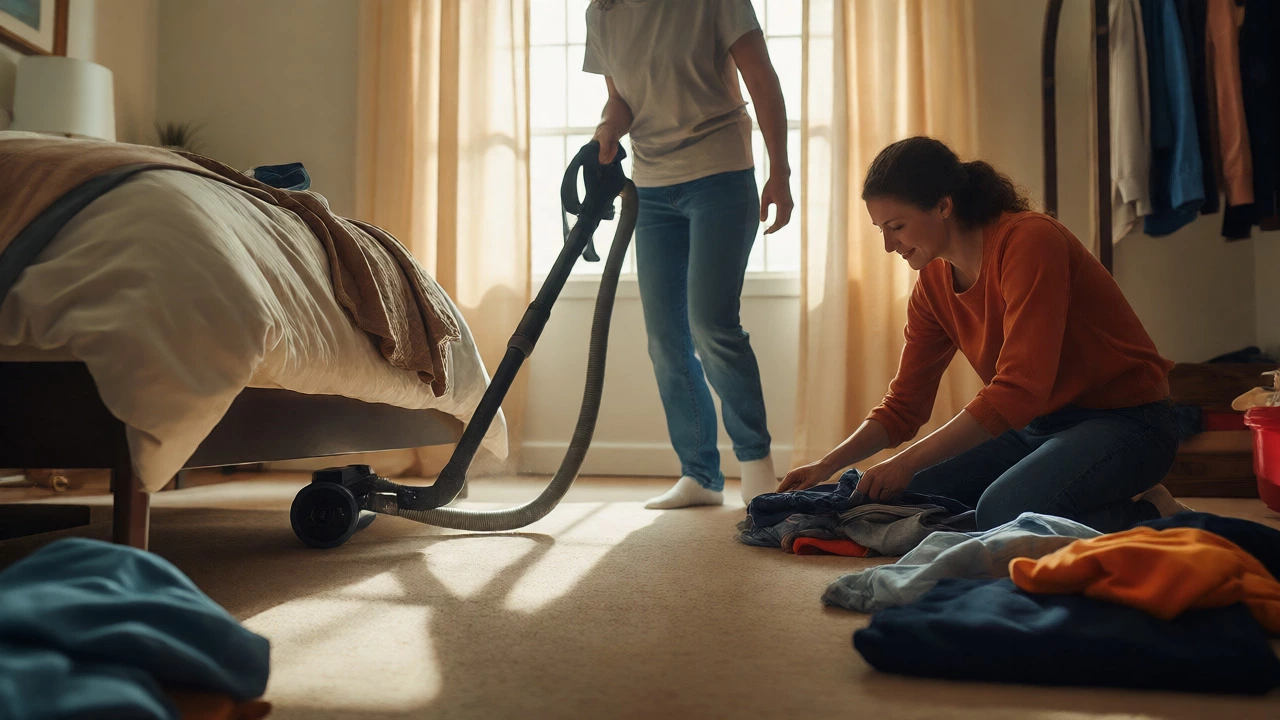
Set a timer for 45 minutes per bedroom. Spend the first 15 minutes decluttering. Use the "keep, donate, trash" method. Be ruthless. If you haven’t worn it in a year, it goes. Then spend 30 minutes cleaning. Vacuum under the bed (yes, really), wipe down nightstands, and dust ceiling fans. If you skip the decluttering step, you save time now but lose space later.
Windows and Walls: The Invisible Labor
Cleaning windows inside and out is a separate project. For a standard home, expect 2-3 hours just for glass. If you live in a dusty area or near trees, add an hour. Use a squeegee for streak-free results. Microfiber cloths help with frames and sills.
Walls are tricky. You don’t need to repaint, but you should spot-clean marks around light switches and door handles. Use a magic eraser or a mild detergent sponge. Test a hidden spot first to avoid damaging paint. This task takes about 30 minutes per main living area. Skip it if you’re short on time, but know that visible smudges make a house feel dirty even if floors are shiny.
Strategies to Cut Your Time in Half
So, how do you turn a 20-hour ordeal into a manageable weekend project? You change your approach.
1. The Zone Method
Don’t try to clean the whole house in one day. Divide your home into zones. Zone 1: Kitchen and Dining. Zone 2: Bathrooms and Hallways. Zone 3: Bedrooms. Zone 4: Living Areas and Extras (garage/basement). Tackle one zone per weekend morning. This prevents burnout and keeps motivation high.
2. Gather Supplies First
Nothing kills momentum like running back and forth for rags. Create a caddy with all-purpose cleaner, glass cleaner, microfiber cloths, sponges, and a vacuum attachment. Having tools within arm’s reach speeds up transitions between rooms.3. Enlist Help
Two people can clean a house in 60% of the time it takes one person. Not because of math, but because of parallel processing. One person vacuums while the other wipes surfaces. Assign specific rooms to each person to avoid stepping on toes (literally).
4. Hire Professionals for Heavy Lifting
Consider hiring a service for specific tasks like carpet shampooing or window washing outside. These are labor-intensive and require specialized equipment. Paying $150-$200 for exterior windows might save you four hours of ladder-climbing and streak-chasing.
Common Pitfalls That Waste Time
Avoid these mistakes to stay on schedule:
- Starting with the hardest room: Begin with a quick win, like the hallway or bathroom mirror. Momentum builds confidence.
- Over-organizing: Spending 2 hours arranging spice jars alphabetically is nice, but not essential. Stick to functional organization.
- Ignoring ventilation: Open windows while cleaning. Fresh air helps dry surfaces faster and removes chemical smells, letting you move to the next task sooner.
- Not taking breaks: Working non-stop leads to sloppy errors. You’ll miss spots and have to redo them. A 10-minute break every hour keeps your eyes sharp.
When to Call the Pros
If your estimate exceeds 20 hours, or if you have health issues that prevent bending and lifting, consider professional help. A standard deep clean service for a 3-bedroom home costs between $250 and $450, depending on location and condition. They typically complete the job in 4-6 hours with a team of two or three cleaners.
Pros are best for:
- Post-renovation cleanup (dust everywhere).
- Moving in/out preparations.
- High-ceiling homes where ladders are risky.
- Those who hate specific tasks (like scrubbing toilets).
Final Thoughts: Quality Over Speed
Remember, spring cleaning isn’t a race. It’s about resetting your environment. If you rush and leave dust bunnies under the sofa, you’ve wasted time. Better to take two weekends and do it right than one frantic day that leaves you exhausted and still seeing dirt.
Start small. Pick one room today. See how long it actually takes you. Adjust your schedule based on real data, not internet myths. Your house will thank you, and so will your sanity.
Is it better to spring clean all at once or spread it out?
Spreading it out is generally more effective. Cleaning the whole house in one go often leads to fatigue and lower quality results. Breaking it into zones over 2-4 weeks allows you to maintain energy and attention to detail. However, if you prefer getting it done quickly, block two consecutive days and accept that some tasks may be lighter.
Does decluttering count as spring cleaning?
Yes, absolutely. In fact, decluttering is often the most time-consuming part of spring cleaning. You cannot effectively clean surfaces covered in junk. Removing unnecessary items makes cleaning faster and easier in the future. Plan for 1-2 hours per room specifically for sorting and removing items.
How long does it take to clean a 2-bedroom apartment?
A thorough spring clean for a 2-bedroom apartment typically takes 8-12 hours for one person. If you hire a professional team, they can complete it in 3-4 hours. Focus on the kitchen and bathrooms, as these areas require the most intensive scrubbing regardless of square footage.
What is the best order to clean rooms?
Always clean from top to bottom and left to right (or clockwise). Start with high areas like ceiling fans and lights, then wipe surfaces, and finally vacuum or mop floors. This ensures dust falling from higher areas doesn’t land on freshly cleaned floors. Start with the furthest room from the exit and work your way out.
Do I need special equipment for spring cleaning?
Basic supplies include microfiber cloths, a good vacuum with attachments, a squeegee, and multi-surface cleaners. Specialized tools like a steam cleaner or extendable duster help with deep cleans but aren’t mandatory. Renting a carpet cleaner is worth considering if your rugs are heavily stained.