Sofa Drying Time Calculator
Calculate how long your couch needs to dry after professional upholstery cleaning based on fabric type and environmental conditions.
Fabric Details
Choose your fabric type to see specific drying information and risks.
Quick Dryness Checklist
You just got your sofa professionally cleaned. It smells fresh, the stains are gone, and you’re ready to sit down. But wait-it’s damp. How long do you actually have to wait before you can use it without ruining the job or getting a cold spot on your legs? The short answer is usually between four and twenty-four hours. But that range is wide because your specific situation matters more than a generic rule of thumb.
If you’ve ever tried to sleep on a damp mattress or sat on a wet chair, you know the discomfort. More importantly, sitting on a wet couch too soon can cause permanent damage to the fabric or the frame. Let’s break down exactly what determines that drying time and how you can speed it up safely.
Why Drying Time Varies So Much
There isn’t one single timer for every sofa. Several factors work together to determine how fast that moisture evaporates. Understanding these helps you manage your expectations and take the right steps.
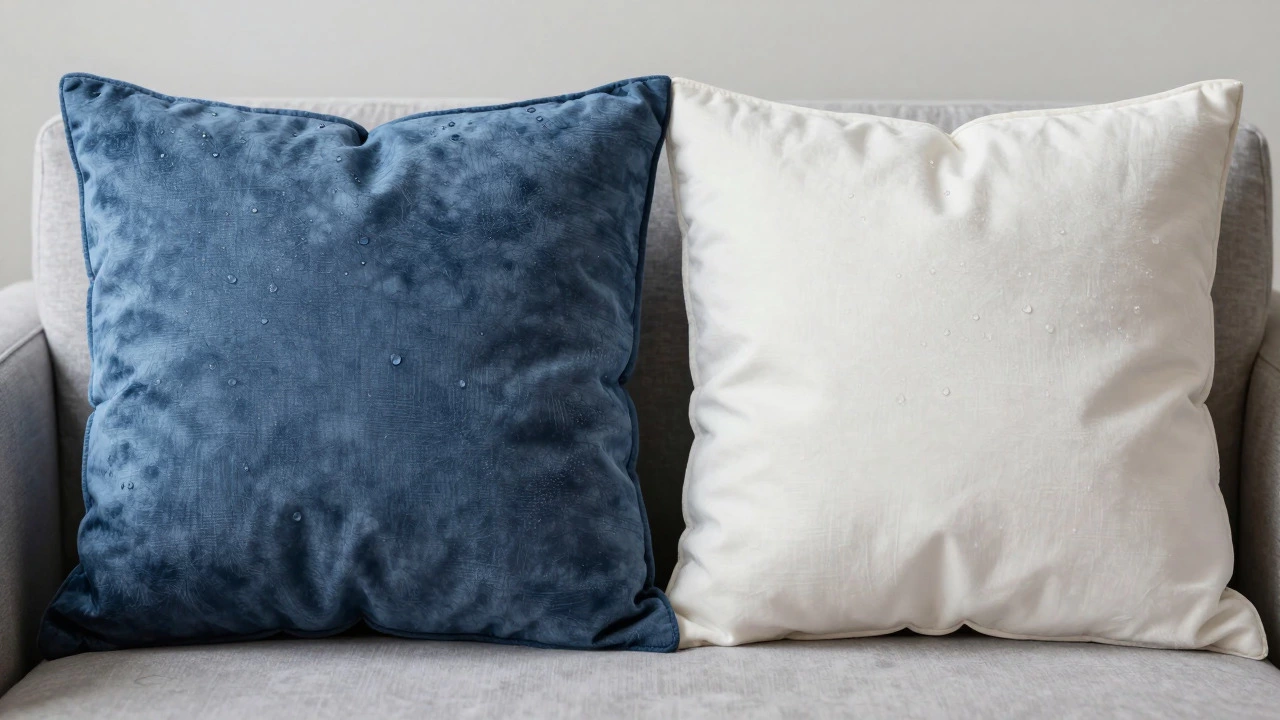
The type of upholstery fabric is the biggest variable. Natural fibers like cotton, linen, and wool absorb water deeply. They act like sponges, holding moisture within their structure. Synthetic fabrics like polyester, microfiber, and acrylic are less absorbent. Water tends to sit on the surface rather than soaking in, which means they dry much faster. If you have a velvet sofa, especially natural velvet, expect the longer end of the drying spectrum because the pile traps air and moisture.
Another major factor is the cleaning method used. Hot water extraction, often called steam cleaning, injects hot water and detergent deep into the cushions and then sucks most of it back out. Even with powerful trucks, some moisture remains trapped in the foam and padding. Dry cleaning methods, which use minimal water or specialized solvents, leave the furniture nearly dry immediately. If your cleaner used a truck-mounted system versus a portable canister unit, the truck usually extracts more water, leading to a shorter drying time.
Don't forget the environment. A couch in a humid Bristol summer will take significantly longer to dry than one in a dry, heated room during winter. Airflow is critical. Stagnant air holds moisture close to the fabric, slowing evaporation. Good ventilation moves that moist air away and replaces it with drier air, speeding up the process.
Average Drying Times by Fabric Type
To give you a realistic timeline, here is a breakdown based on common materials. These estimates assume standard room temperature (around 20°C) and moderate humidity.
| Fabric Type | Absorbency Level | Estimated Drying Time | Risk if Sat On Too Soon |
|---|---|---|---|
| Microfiber / Polyester | Low | 4-8 hours | Minimal; may feel cool |
| Cotton / Linen | High | 12-24 hours | Stain reappearance, mold risk |
| Velvet (Natural) | Very High | 24-48 hours | Pile crushing, color bleeding |
| Leather | N/A (Surface Clean) | 1-2 hours | Drying out/cracking if over-wetted |
| Wool | Medium-High | 12-24 hours | Shrinkage, matting |
Note that leather doesn’t “dry” in the same way fabric does because professional leather cleaning rarely involves soaking the material. However, if excess conditioner or cleaner was applied, it needs time to absorb fully to avoid stickiness.
Signs Your Couch Is Still Wet
It’s easy to think a couch is dry when the top layer feels okay, but the interior might still be soaked. Here is how to check properly:
- The Touch Test: Run your hand firmly over the seams and crevices. If it feels cool to the touch, it’s likely still damp. Evaporation causes cooling, so a cold spot means moisture is present.
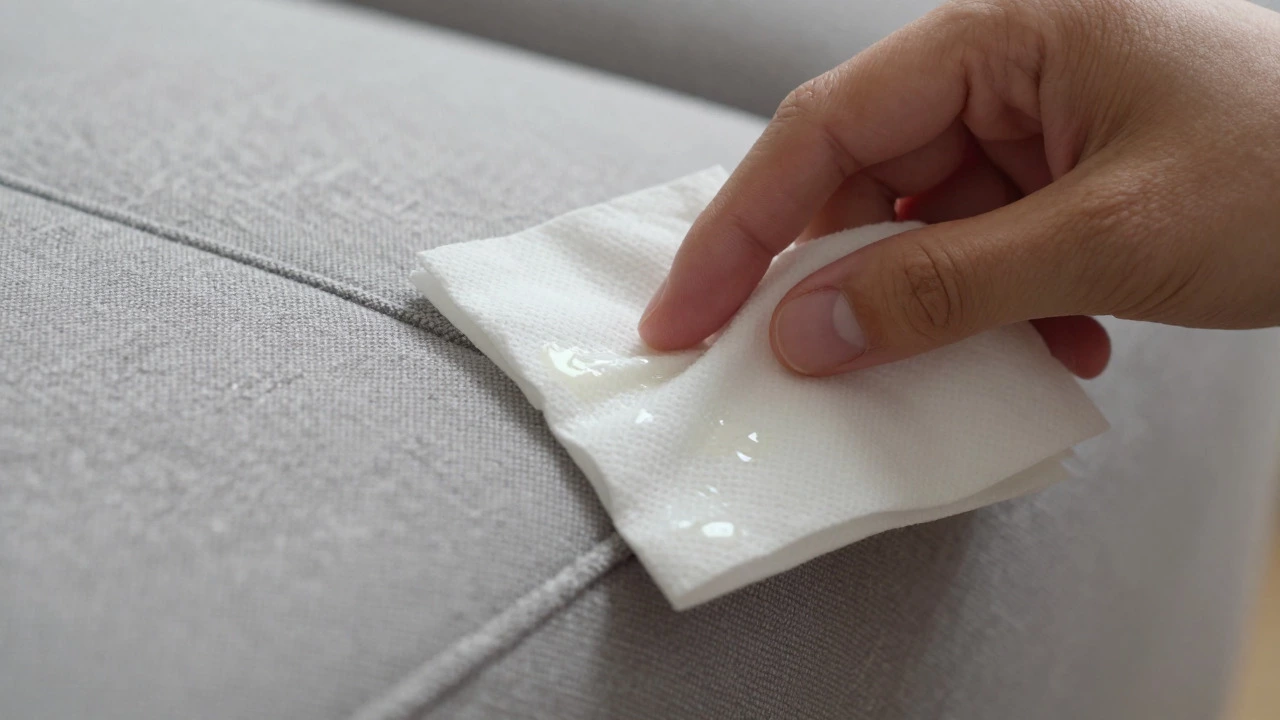
- The Paper Towel Trick: Press a white paper towel against the fabric, especially near the base where dirt accumulates. If the towel becomes translucent or damp, the couch isn’t ready.
- The Smell Check: Freshly cleaned furniture should smell clean. If you detect a musty or earthy odor, that’s a sign of lingering moisture. This is your warning signal before mold sets in.
- Visual Inspection: Look for darker patches in the fabric. Wet fabric almost always appears darker than dry fabric. If you see uneven coloring, those dark spots are wet.
How to Speed Up Drying Safely
Waiting around for two days isn’t practical for most households. You can accelerate the process without damaging your furniture. Here are the most effective methods:
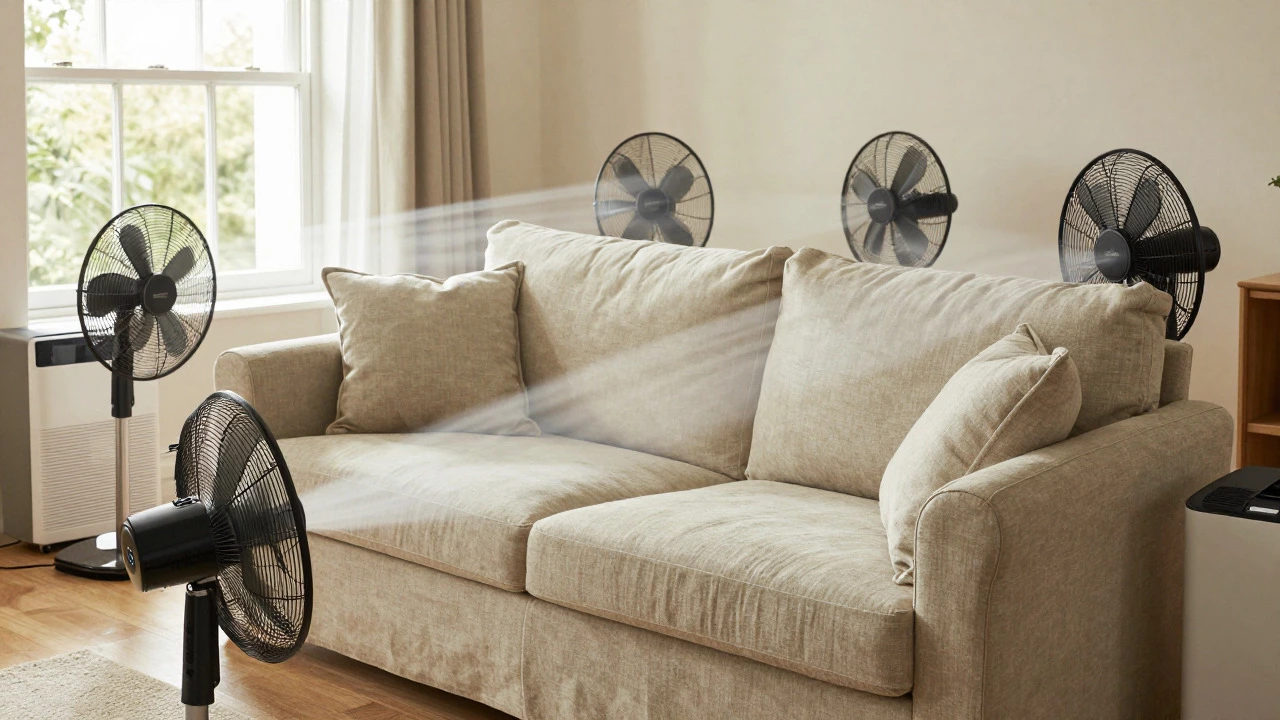
- Maximize Airflow: Open windows and doors to create a cross-breeze. If it’s raining outside or very humid, skip this and use fans instead. Place box fans facing directly at the couch. Don’t point them from above; aim horizontally across the fabric to strip away the boundary layer of moist air.
- Use Dehumidifiers: In a closed room, a dehumidifier is a game-changer. It pulls moisture out of the air, forcing the fabric to release its water content to reach equilibrium. Run it continuously until the couch is dry. This is especially useful in basements or ground-floor rooms prone to dampness.
- Remove Cushions: If your sofa has removable seat cushions, take them off. Prop them upright against a wall or stand them on their edges. This exposes all sides to air, cutting drying time in half. Never stack wet cushions on top of each other; this traps moisture and creates a breeding ground for bacteria.
- Turn On the AC or Heater: Warm air holds more moisture than cold air, allowing it to evaporate faster. If you have central heating, turn it up slightly. If you have air conditioning, run it on fan mode or cool mode to circulate dry air. Avoid extreme heat sources like hairdryers or space heaters placed inches from the fabric, as this can shrink fibers or melt synthetic threads.
- Blot, Don’t Rub: If the couch is still noticeably wet after cleaning, gently blot the surface with clean, dry towels. Press down firmly to absorb surface moisture. Do not rub, as this pushes water deeper into the padding and frays the fabric.
Risks of Using a Wet Couch Too Early
Impatience is the enemy of a good clean. Sitting on a damp couch isn’t just uncomfortable; it can undo all the work your cleaner did.
Stain Reappearance: This is the most common issue. When a couch is cleaned, dirt is suspended in the water within the fabric. As the water evaporates, it carries that dirt to the surface. If you sit on the couch while it’s still wet, you press that dirty water back into the fibers. Within a day, you’ll see gray rings or dark spots where you sat. This is known as “wicking.”
Mold and Mildew Growth: Mold spores are everywhere. They need moisture and organic material (like fabric glue or food crumbs) to grow. If the internal padding stays wet for more than 24 hours, mold can begin to colonize. This leads to persistent odors and potential health issues for people with allergies or respiratory conditions. Once mold sets in, surface cleaning won’t fix it; you’d need to replace the padding or the whole sofa.
Fabric Damage: Wet fabric is weaker and more susceptible to tearing. Friction from sitting, shifting, or pets jumping on a wet couch can stretch the weave or cause pilling. For delicate fabrics like silk or rayon, sitting on them while damp can cause permanent distortion or color loss.
Wood Frame Rot: Most sofas have wooden frames. If water seeps through the fabric and saturates the wood, it can warp or rot over time. This compromises the structural integrity of the sofa. While rare with professional cleaning due to proper extraction, it’s a risk if the furniture was oversaturated.
Special Considerations for Different Scenarios
Not all couches are built the same, and not all homes are the same. Here are some specific situations to keep in mind.
Sectional Sofas: Sectionals have tight corners and joints where air doesn’t circulate well. Moisture gets trapped in these nooks. Use a small fan directed specifically at the inner corners. If possible, separate the pieces slightly to allow airflow behind them.
Pet Owners: If you have dogs or cats, they are naturally attracted to warm, damp places. Keep them off the couch until it’s completely dry. Pet urine or saliva on a wet couch can react with cleaning agents and create new stains or odors.
Older Furniture: Older sofas may have yellowed foam or brittle springs. Excessive moisture can weaken already fragile components. Be extra gentle with drying older pieces and consider using lower heat settings on fans.
Outdoor Sofas: If your outdoor furniture was cleaned, ensure it’s fully dry before bringing it back inside or covering it. Trapping moisture under a cover leads to mildew quickly. Leave it uncovered in direct sunlight if the fabric allows, as UV light helps kill bacteria and speeds evaporation.
When to Call Your Cleaner Back
If your couch is still soaking wet after 24 hours despite your best efforts with fans and dehumidifiers, something might be wrong. Perhaps the cleaner didn’t extract enough water, or there’s an underlying leak in the floor beneath the sofa. Contact your service provider. Reputable cleaners often offer a follow-up visit if the drying time exceeds reasonable expectations. They may bring stronger extraction equipment or identify why the moisture is lingering.
Also, ask about protective treatments. Some cleaners apply a stain-resistant coating after cleaning. Ensure the couch is completely dry before applying any DIY protectants, as trapping moisture underneath can cause bubbling or peeling.
Maintaining Your Clean Couch
Once your couch is dry, maintain its freshness. Vacuum regularly to remove dust and debris that can hold moisture. Blot spills immediately-don’t let them soak in. Rotate cushions periodically to ensure even wear and drying if they get damp again. Consider having a professional deep clean every 12 to 18 months, depending on usage, to prevent deep-seated dirt from requiring aggressive wet cleaning in the future.
Can I sit on my couch after 6 hours of cleaning?
It depends on the fabric. If you have microfiber or synthetic blends, 6 hours might be enough if you’ve used fans. For cotton, linen, or velvet, 6 hours is usually too short. Check the fabric with the paper towel test. If it’s still cool or damp, wait longer to avoid wicking stains back to the surface.
Will using a hairdryer help dry my couch faster?
Generally, no. Hairdryers provide concentrated heat that can shrink natural fibers, melt synthetics, or scorch the fabric. They also don’t move enough air volume to effectively dry a large piece of furniture. Use box fans or dehumidifiers instead for safe, even drying.
Why does my couch smell bad after cleaning?
A musty smell usually indicates that the padding is still wet and beginning to develop mildew. It can also happen if old urine or organic matter wasn’t fully removed. Increase airflow immediately with fans and dehumidifiers. If the smell persists after 24 hours, contact your cleaner for a re-treatment.
Is it better to clean a couch in summer or winter?
Summer is generally better because higher temperatures aid evaporation. However, high humidity in summer can slow drying. Winter can be challenging due to cold air, but if you have indoor heating running, the dry, warm air can actually dry the couch quite quickly. The key is controlling the indoor environment, not the season itself.
How do I prevent stains from coming back after cleaning?
The main cause of returning stains is sitting on the couch while it’s still damp, which pushes dissolved dirt back up (wicking). Wait until the couch is 100% dry before use. Additionally, vacuum weekly to remove abrasive dirt particles and treat spills immediately to prevent them from setting into the fibers.
Can I put my couch cushions in the dryer?
Only if the manufacturer explicitly says they are machine washable and tumble dry safe. Most sofa cushions contain foam that can melt or degrade in a dryer. If they are washable, use low heat and remove them while slightly damp to air finish, preventing shrinkage and lumps.