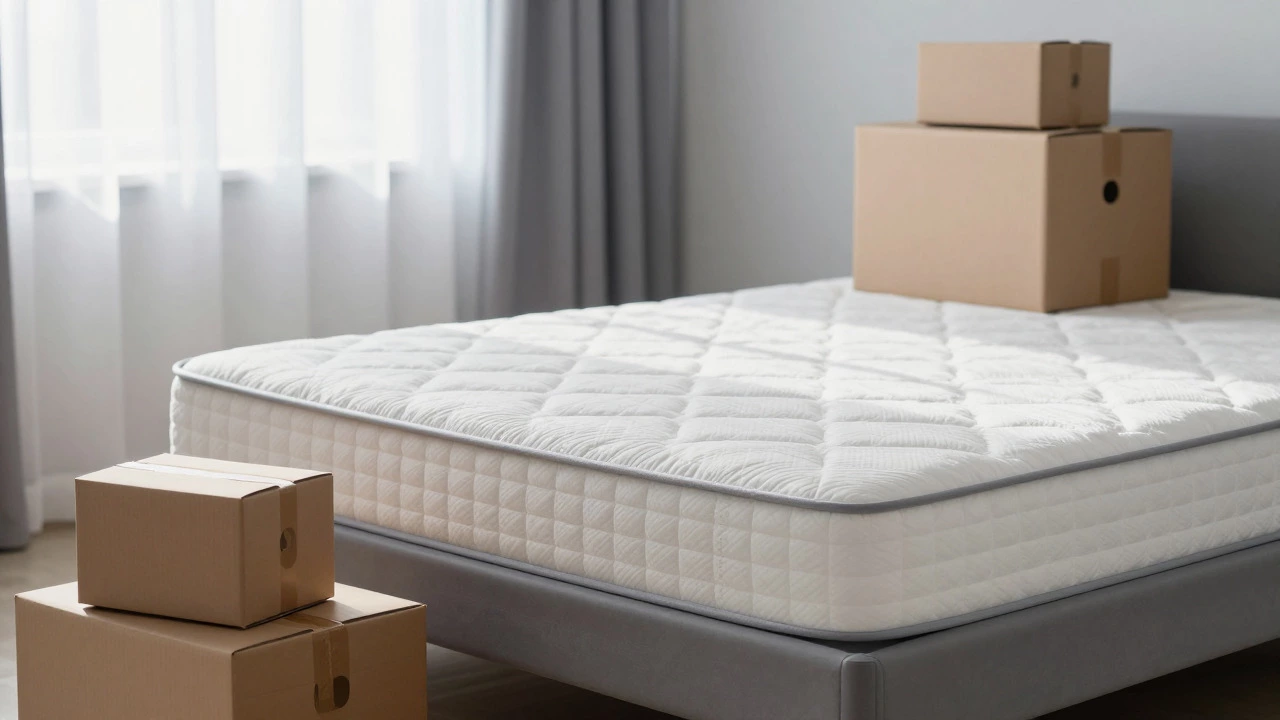
End of Tenancy Mattress Cleaning Checklist
Cleaning Status
Not Started
Begin checking steps below💡 Pro Tip
Always air out the room while cleaning to prevent mold growth in the foam.
Estimated Time Remaining:
Imagine this: you’ve packed the last box, wiped down every surface, and scrubbed the oven until it shines. You hand over the keys, confident your deposit is safe. Then, the landlord’s agent emails a photo of the bed base. There’s a stain. A small one. Suddenly, £150 is gone for a service you assumed was covered.
This scenario plays out thousands of times across the UK every year. The question isn’t just about hygiene; it’s about money. Does end of tenancy cleaning include mattress cleaning? The short answer is: usually no, unless you signed a specific agreement or the mattress is part of the inventory as a removable item in poor condition.
The Inventory Check: What Actually Belongs to the Landlord?
To understand why mattresses are tricky, we have to look at the inventory list provided when you moved in. This document is your bible during the checkout process. If the inventory lists "mattress" under furniture, it is considered a fixture or fitting belonging to the landlord. If it doesn’t list it, you might have brought your own, in which case, you’re taking it with you, and its cleanliness is irrelevant to the deposit.
However, most standard lettings come furnished. Here’s where the confusion starts. Standard end-of-tenancy cleaning packages typically cover hard surfaces: floors, windows, kitchens, bathrooms, and appliances like ovens and fridges. Soft furnishings-curtains, carpets, and mattresses-are often treated separately because they require different equipment and chemicals.
In Bristol and much of England, the default expectation for a general clean does not automatically extend to deep cleaning mattresses. Unless your tenancy agreement explicitly states that "all soft furnishings must be professionally cleaned," you are generally only responsible for removing stains and ensuring the mattress is free from pests or excessive dirt. But "free from stains" is subjective, which leads us to the next big issue: wear and tear versus damage.
Wear and Tear vs. Damage: Where Do Stains Fit?
UK tenancy law protects tenants from being charged for "fair wear and tear." A yellowing sheet of age on a mattress used for three years? That’s likely wear and tear. A fresh wine spill or a pet accident? That’s damage. The problem is proving what is what.
If you left the mattress visibly dirty, the landlord can argue it needs professional cleaning before reletting. If you cleaned it yourself but missed a spot, they can still claim costs. This is why many tenants opt for professional services. But here’s the catch: if you hire a cleaner who doesn’t specialize in mattresses, they might use a steam cleaner designed for upholstery, which can leave a mattress damp and moldy-a bigger problem than the original stain.
Consider the case of Sarah, a tenant in Clifton. She hired a standard end-of-tenancy cleaning company. They did an amazing job on the kitchen and bathrooms. When the inventory clerk arrived, he noted the mattress had a "minor discoloration." Sarah argued she had vacuumed it. The landlord disputed the deposit, citing a £80 cleaning fee. Sarah lost because her cleaning contract didn’t specify mattress treatment, and the visual evidence showed residue.
When Is Mattress Cleaning Mandatory?
There are specific scenarios where mattress cleaning shifts from optional to mandatory:
- Specific Clause in Agreement: Some high-end landlords or property management companies include a clause requiring professional cleaning of all upholstered items, including mattresses, upon exit.
- Pet Ownership: If you had pets, especially dogs or cats, landlords often require proof of deodorizing and sanitization of the mattress to prevent future odors or flea infestations.
- Visible Soiling: If the mattress has visible stains, urine marks, or signs of bed bugs, you are liable for remediation. Bed bugs are particularly serious; a single bug can lead to hundreds, costing the landlord thousands in extermination fees.
- Long-Term Tenancies: For stays longer than two years, some agents expect a deeper level of care, assuming more accumulated grime.
If none of these apply, you are likely safe with a thorough DIY clean. But "thorough" is the keyword here. Vacuuming isn’t enough.
DIY Mattress Cleaning: Can You Do It Yourself?
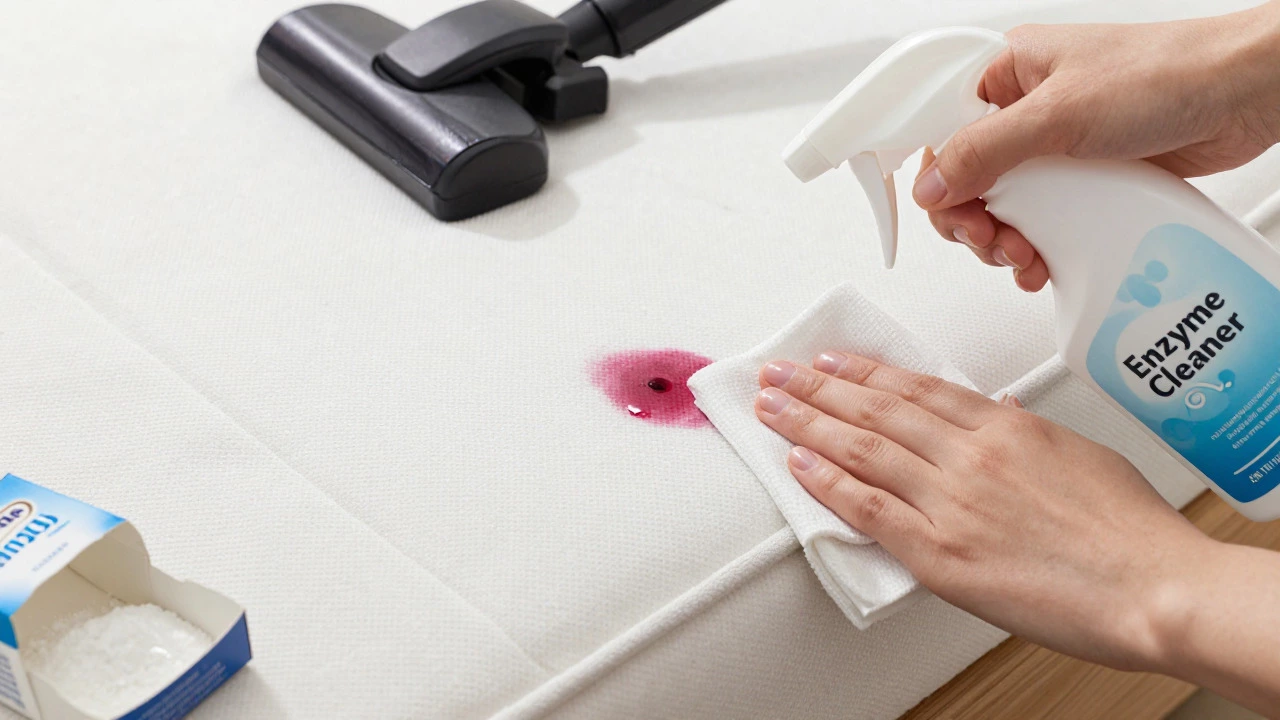
Yes, you can clean a mattress yourself, and it’s cheaper than hiring a specialist. However, you need the right approach. Water alone won’t cut it, and too much moisture can ruin the foam inside.
Here’s a simple, effective method that works for most common stains:
- Strip the Bed: Remove all sheets and protectors. Wash them immediately.
- Vacuum Thoroughly: Use the upholstery attachment on your vacuum. Go slowly over every inch, including seams and edges. This removes dust mites, hair, and loose debris.
- Treat Stains: Mix a solution of mild dish soap and cold water. Dab (don’t rub) the stain with a clean cloth soaked in the mixture. Rubbing pushes the stain deeper into the foam.
- Deodorize: Sprinkle baking soda generously over the entire surface. Let it sit for at least 30 minutes, preferably overnight. Baking soda absorbs odors and moisture.
- Vacuum Again: Once the baking soda is dry, vacuum it up completely.
For tougher stains like urine or blood, enzyme cleaners are your best friend. They break down the proteins causing the odor and stain. Avoid bleach; it can weaken the fabric and leave a harsh smell that lingers.
One pro tip from local cleaners in Bristol: always air out the room while cleaning. Open windows to ensure any moisture evaporates quickly. A damp mattress is a breeding ground for mold, which is far worse than a stain.
Hiring Professionals: What to Look For
If you’re worried about losing your deposit, hiring a professional might be worth the investment. But not all cleaners are equal. Many general end-of-tenancy companies add mattress cleaning as an upsell, charging £40-£60 per mattress. Is it worth it?
Only if they use hot water extraction or specialized foam cleaning methods. Ask them specifically how they clean mattresses. If they say they’ll just spray and wipe, walk away. You want someone who uses a truck-mounted extractor or a high-quality portable machine that pulls moisture out, not just pushes it in.
Also, check their insurance. If a cleaner damages your mattress or fails to remove a stain, you want recourse. Reputable companies in the UK should offer a guarantee-if the landlord rejects the clean, they’ll come back and redo it for free.
| Factor | DIY Cleaning | Professional Service |
|---|---|---|
| Cost | £5-£15 (supplies) | £40-£80 per mattress |
| Effectiveness on Stains | Moderate (surface level) | High (deep extraction) |
| Drying Time | 2-4 hours (if done correctly) | 4-8 hours (depending on method) |
| Risk of Mold | Low (if minimal moisture used) | Very Low (industrial extractors) |
| Deposit Protection | No guarantee | Often includes re-clean guarantee |
The Deposit Dispute Process: What Happens Next?
If you and your landlord disagree on whether the mattress needed cleaning, the dispute goes to a deposit protection scheme. In the UK, there are three main schemes: Tenancy Deposit Scheme (TDS), MyDeposits, and Deposit Protection Service (DPS). All are government-approved.
Here’s how it works: both parties submit evidence. You provide photos of the clean mattress before you left. The landlord provides photos of the alleged soiling. An adjudicator reviews the case based on the inventory check-in and check-out reports.
Key point: the burden of proof is on the landlord to show that the mattress was damaged beyond fair wear and tear. If the inventory check-in report already noted stains, you can’t be charged for them. Always keep copies of your check-in report!
If the adjudicator rules against you, you pay the cleaning cost. If they rule in your favor, you get your full deposit back. Most disputes are resolved within 2-4 weeks. Don’t panic; stay calm and gather your evidence.

Pro Tips for a Stress-Free Move-Out
Avoiding mattress-related deposit issues is easier than you think. Follow these steps:
- Document Everything: Take timestamped photos of the mattress after you clean it. Send these to your landlord or agent via email for a paper trail.
- Use Mattress Protectors: If you’re moving into a new place, buy a waterproof protector. It makes cleaning trivial and protects against accidents.
- Check the Agreement Early: Read your tenancy agreement six months before leaving. Note any clauses about cleaning standards.
- Communicate: If you know there’s a stain, tell the landlord early. Sometimes, they’ll accept a partial deduction rather than a full dispute, saving you time and stress.
- Get Receipts: If you hire a cleaner, get a detailed receipt specifying that mattress cleaning was included. Vague receipts don’t hold up in disputes.
Remember, the goal isn’t perfection; it’s fairness. Landlords want their properties ready for the next tenant, but they also know that life happens. Spills happen. Pets have accidents. As long as you act responsibly and communicate clearly, you should get your deposit back.
Common Misconceptions About End-of-Tenancy Cleaning
Let’s clear up a few myths that cause unnecessary anxiety:
Myth 1: You Must Hire a Professional Cleaner. False. Unless your contract says otherwise, you can clean yourself. The law doesn’t mandate professional services, only that the property is returned in a clean condition.
Myth 2: Mattresses Are Always Included in Standard Cleans. False. Most standard packages exclude mattresses, carpets, and curtains. These are add-ons. Always confirm what’s included in writing.
Myth 3: Landlords Can Keep Your Whole Deposit for Minor Issues. False. Deductions must be proportional to the cost of repair or cleaning. A £50 stain shouldn’t cost you £500. The deposit scheme adjudicators enforce this strictly.
Myth 4: Fair Wear and Tear Means Nothing. False. It means exactly what it says. Normal aging, slight fading, and minor scuffs are expected. You aren’t paying for newness; you’re paying for cleanliness.
Final Thoughts: Protecting Your Deposit
So, does end of tenancy cleaning include mattress cleaning? Not by default. But it should include your attention to detail. Whether you choose DIY or professional help, the key is consistency and documentation. Treat the mattress with the same care as the rest of the property, and you’ll avoid costly surprises.
Your deposit is hard-earned money. Don’t let a forgotten mattress stand between you and a smooth move-out. Plan ahead, clean thoroughly, and keep records. It’s the smartest way to end your tenancy on a high note.
Is mattress cleaning legally required for end of tenancy?
No, there is no specific law mandating mattress cleaning. However, your tenancy agreement may require the property to be returned in a clean condition, which can include mattresses if they are part of the inventory. Failure to clean visible stains can lead to deposit deductions for damage, not wear and tear.
How much does professional mattress cleaning cost in the UK?
Professional mattress cleaning typically costs between £40 and £80 per mattress, depending on location and size. In cities like London or Bristol, prices may be higher. Some end-of-tenancy cleaning companies offer package deals that include mattresses for a discounted rate.
Can I lose my deposit for a stained mattress?
Yes, if the stain is considered damage rather than fair wear and tear. The landlord can deduct the cost of professional cleaning from your deposit. To avoid this, clean the mattress yourself or hire a professional and keep receipts and photos as proof.
What is the best way to remove urine stains from a mattress?
Use an enzyme cleaner specifically designed for pet stains. Blot the area gently, apply the cleaner according to instructions, and let it sit before blotting again. Avoid heat, which can set the stain. Afterward, sprinkle baking soda to absorb odors and vacuum once dry.
Do I need to clean the mattress if I’m taking it with me?
If you are taking the mattress with you, it is not part of the landlord’s inventory, so you are not legally required to clean it for them. However, it’s good practice to clean it before moving to avoid transferring stains or odors to your new home.
How long does it take for a mattress to dry after cleaning?
A mattress typically takes 4 to 8 hours to dry completely after professional cleaning. For DIY methods using minimal moisture, it may take 2 to 4 hours. Ensure good ventilation by opening windows and using fans to speed up the process and prevent mold.
What if the landlord claims the mattress was dirty at check-in?
Refer to your check-in inventory report. If the report noted existing stains or conditions, the landlord cannot charge you for them. Provide a copy of the check-in report to the deposit protection scheme adjudicator to prove the pre-existing condition.