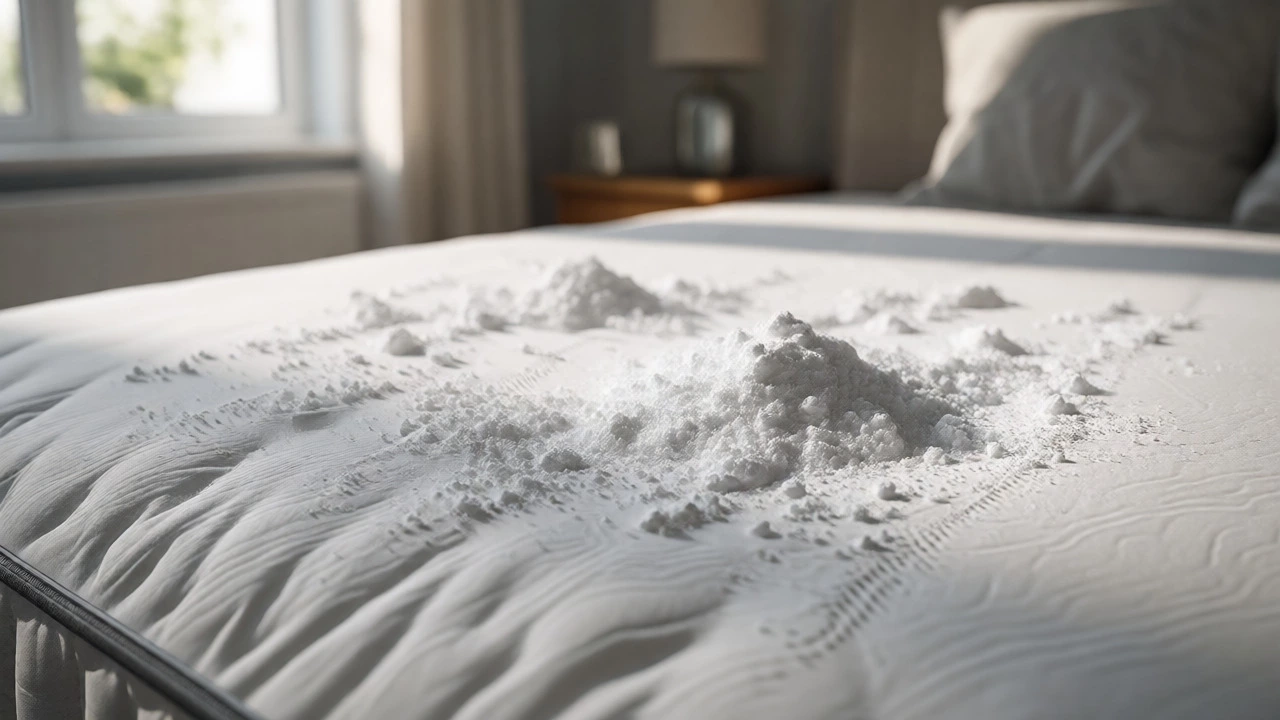
Mattress Baking Soda Dwell Time Simulator
Adjust the settings below to see how long you leave baking soda on your mattress affects its performance and cleanup difficulty.
Optimal Zone
Baking soda is effectively absorbing odors and moisture without clumping significantly.
You’ve just finished the classic baking soda mattress refresh. It’s a ritual many of us swear by: sprinkle, wait, vacuum. But life gets busy. Maybe you sprinkled it before work and forgot to vacuum until the next day. Or maybe you left it overnight, thinking "more time equals better results." Then you come back, grab your vacuum, and notice something weird. The powder looks clumpy? The fabric feels damp? Did you just ruin your bed?
The short answer is: usually, no, you haven’t ruined it. But leaving baking soda on a mattress for too long can create specific problems that make the cleanup harder and less effective. It’s not about the chemical exploding or turning into acid; it’s about physics and hygiene. Let’s break down exactly what happens when you exceed the recommended dwell time, why it matters, and how to fix it if you’ve already made this mistake.
The Chemistry of Time: Why Dwell Time Matters
Sodium bicarbonate, commonly known as baking soda, is a mild alkali with the chemical formula NaHCO₃. In the context of mattress cleaning, its primary job is absorption and neutralization. It pulls moisture from sweat and oils, and it reacts with acidic odors (like urine or vomit) to neutralize them rather than just masking them.
However, baking soda doesn't have an infinite capacity for absorption. Think of it like a sponge. Once that sponge is full, it stops soaking up water. If you leave baking soda on your mattress for six hours, it might be doing great work. If you leave it for three days, it has likely reached saturation. At this point, two things happen:
- Re-release of Odors: If the environment in your bedroom is humid, saturated baking soda can actually release trapped odors back into the air. It becomes a carrier for smells rather than a remover.
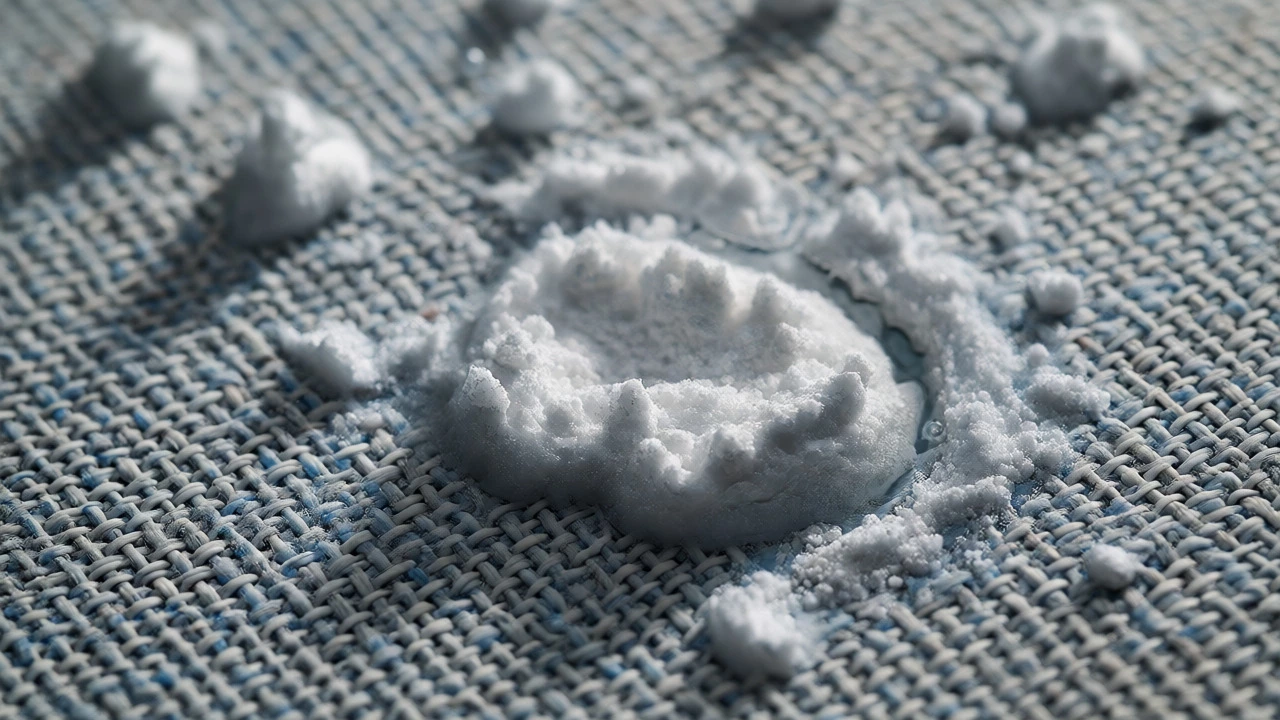
- Caking and Clumping: As the powder absorbs moisture from sweat and ambient humidity, it changes texture. It goes from a fine, free-flowing dust to a paste-like consistency. This is where the real trouble starts.
If you live in a place like Bristol, where humidity can linger, especially in older stone houses, this clumping effect accelerates. A dry, arid climate allows baking soda to stay powdery longer. A humid one turns it into a mess faster.
The Vacuum Struggle: When Powder Becomes Paste
The biggest practical issue with leaving baking soda on a mattress too long is the cleanup phase. Standard household vacuums are designed to pick up dry particulate matter. They are not designed to suck up wet, caked-on crusts.
When baking soda sits for 12+ hours in a warm bed, it often forms a hard shell over stains. Your vacuum nozzle might glide right over this crust without lifting it. Worse, if the crust is slightly damp, it can stick to the inside of your vacuum hose or brush roll. Now you have a dirty vacuum that smells like old sweat and baking soda, which is arguably worse than the original problem.
| Dwell Time | State of Baking Soda | Vacuum Ease | Risk Factor |
|---|---|---|---|
| 15-30 Minutes | Fine powder, minimal absorption | Very Easy | Low efficacy |
| 1-4 Hours | Optimal absorption, dry powder | Easy | Minimal risk |
| 8-12 Hours (Overnight) | Saturated, potential slight clumping | Moderate | Residue buildup |
| 24+ Hours | Hardened crust, re-absorbed moisture | Difficult | High risk of residue & odor return |
Can You Damage the Mattress Fabric?
People often worry that baking soda is abrasive. Is it? Technically, yes, but only at a microscopic level. Sodium bicarbonate crystals are harder than cotton or polyester fibers. If you rub baking soda vigorously into a delicate silk or high-thread-count cotton cover, you could theoretically cause micro-abrasions over years of repeated aggressive scrubbing.
But simply letting it sit? No damage there. Baking soda is chemically inert regarding most common mattress materials (memory foam, latex, polyurethane). It won't eat through the fabric. It won't degrade the foam structure.
The real danger to the fabric isn't the baking soda itself, but what it reveals or hides. If you leave it too long and it cakes onto a stain, you might try to scrape it off later. Scraping hardened powder can pull at loose threads or disturb the weave of the ticking (the outer fabric). Always use a soft brush attachment if you need to loosen crusty bits before vacuuming.
The Mold Myth: Does Wet Baking Soda Grow Mold?
This is a common fear. If baking soda gets wet, does it become a breeding ground for mold? Not exactly. Baking soda is actually fungistatic-it inhibits fungal growth. That’s why people put it in shoe bags or refrigerators.
However, if you leave baking soda on a mattress that was already damp (perhaps from a spill you didn't fully dry), and you let it sit for days, you are creating a moist, organic-rich environment (dead skin cells + sweat + powder). While the baking soda fights mold, it doesn't eliminate the moisture source. If the mattress underneath remains damp, mold can still develop in the foam layers below the surface, regardless of the powder on top.
So, if you smell a musty scent after vacuuming up old baking soda, it’s likely not the powder itself growing mold, but the underlying mattress failing to dry out properly during that extended period.
How to Fix It If You Left It Too Long
So, you forgot. The baking soda has been there for two days. It looks grey and chunky. Don’t panic. Here is the recovery protocol:
- Do Not Use Water Yet: Resist the urge to wipe it with a wet cloth immediately. This will turn the remaining powder into a slurry that penetrates deeper into the foam.
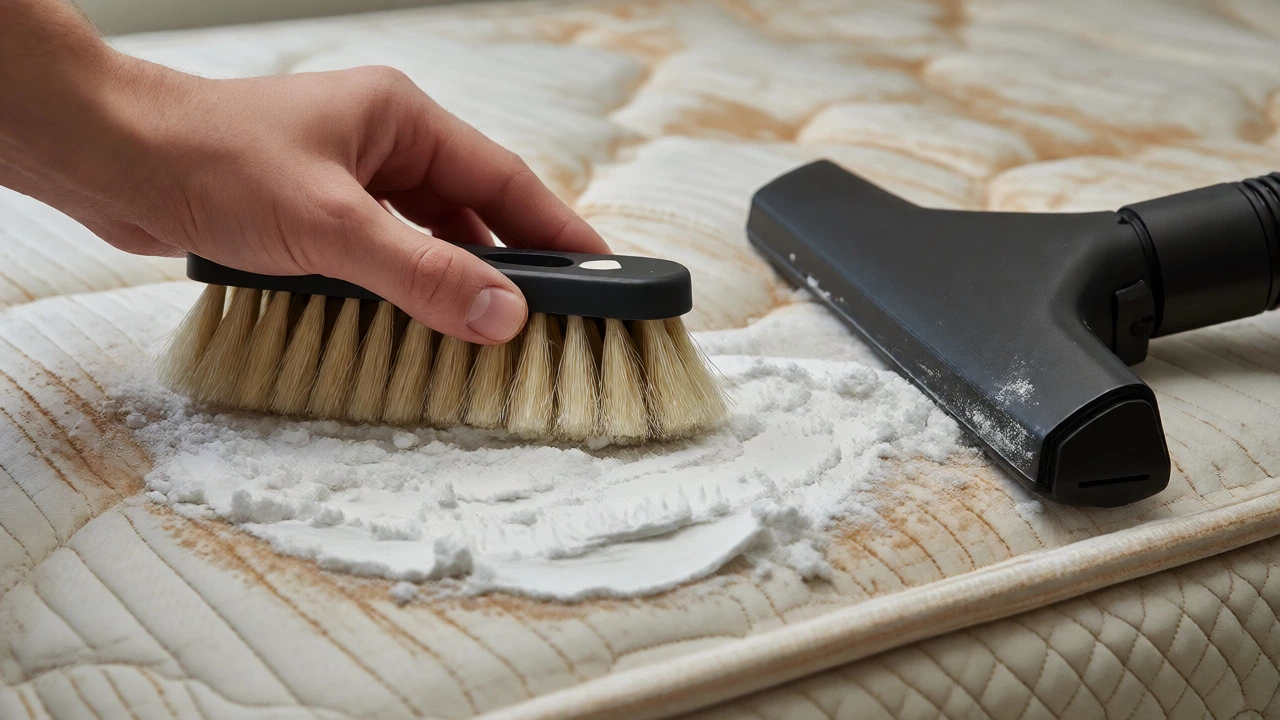
- Loosen the Crust: Take a stiff-bristled brush (a clean upholstery brush or even a dry hairbrush) and gently agitate the surface. Break up any large clumps. You want to turn the paste back into loose particles if possible.
- Vacuum with Power: Use a vacuum with strong suction. Go over the area slowly. Do multiple passes-vertical and horizontal. If your vacuum has a crevice tool, use it for seams where powder loves to hide.
- Check for Residue: Run your hand over the fabric. If it feels gritty, vacuum again. If it feels sticky, you might have oversaturated the area with liquid earlier, or the baking soda absorbed so much oil it’s now tacky. In this case, a light mist of white vinegar and water (1:1 ratio) can help cut the grease, but test on a hidden spot first.
- Air It Out: Open windows. Use a fan. Ensure the mattress is completely dry before putting sheets back on. Trapped moisture is the enemy here.
Better Alternatives for Deep Cleaning
If you find yourself constantly struggling with baking soda residue, it might be time to adjust your method. Baking soda is a deodorizer, not a deep cleaner. It lifts odors but doesn't remove the biological material causing them.
For a more thorough clean that avoids the "too long" trap, consider these steps:
- Enzyme Cleaners: For urine or sweat stains, use an enzyme-based cleaner. These break down proteins chemically. They don't require a long drying time like baking soda pastes do.
- Steam Cleaning: Professional steam cleaners use heat to kill dust mites and bacteria while extracting dirt. This removes the grime rather than absorbing it.
- Regular Vacuuming: The best way to keep a mattress fresh is frequent vacuuming with a HEPA filter. This removes dead skin cells (food for dust mites) before they turn into odors.
Using baking soda should be a monthly maintenance task, not a rescue mission for neglected beds. Keep the dwell time under four hours for regular refreshes, and only extend it for stubborn odors, ensuring you monitor the humidity levels.
Pro Tips for Mattress Care
Living in the UK, we deal with condensation and dampness more than our American counterparts. Here are some localized tips:
- Flip and Rotate: Do this every three months. It prevents uneven wear and helps air out the underside.
- Use a Protector: A waterproof mattress protector is worth its weight in gold. It catches spills before they hit the foam, meaning you never have to deep-clean the actual mattress as often.
- Sunlight: UV light kills bacteria. If you can, take the mattress outside on a dry, sunny day. It’s the best natural disinfectant.
Remember, baking soda is a tool, not a magic wand. Like any tool, it works best when used correctly and cleaned up promptly. Leaving it on too long turns a helpful ally into a messy obstacle. Keep it simple, keep it short, and keep your bed fresh.
Does baking soda ruin memory foam?
No, baking soda does not chemically ruin memory foam. However, if you leave it on too long and it absorbs significant moisture, it can become difficult to remove. If residue is left behind, it may feel gritty or attract more dirt over time, potentially affecting the comfort layer's feel. Always ensure complete removal via thorough vacuuming.
How long should I leave baking soda on my mattress?
For general deodorizing, 15 to 30 minutes is sufficient. For stronger odors, leave it for 1 to 4 hours. Avoid leaving it for more than 12 hours, especially in humid conditions, as it may clump and become harder to vacuum, potentially re-releasing odors.
Why does my mattress smell worse after using baking soda?
If the mattress smells worse, it is likely because the baking soda became saturated with moisture and odors and then released them back into the air as it dried out or was disturbed. Another possibility is that the mattress was not fully dry before applying the powder, trapping dampness underneath.
Can I use a shop-vac to clean baking soda?
Yes, a shop-vac (wet/dry vacuum) is excellent for removing baking soda, especially if it has clumped. Standard upright vacuums sometimes struggle with fine powder or caked residues. Ensure the shop-vac is set to dry mode and has a clean filter.
Is baking soda safe for all mattress types?
Baking soda is generally safe for innerspring, memory foam, latex, and hybrid mattresses. However, always check the manufacturer's warranty guidelines. Some specialized fabrics or treated covers may have specific cleaning instructions. Test a small, inconspicuous area first if you are unsure.