Oven Cleaning Checklist & Timer
Follow this guided routine to deep clean your oven naturally. Check off each step as you go, and use the built-in timers for soaking and reaction phases.
-
Prep
-
Mix
-
Apply
-
-
React
-
Clean
-
Finish
Tip: Use a phone alarm if you plan to sleep through the wait!
Quick Comparison
| Method | Cost | Eco |
|---|---|---|
| Baking Soda | Low | High |
| Chemical Spray | Med | Low |
| Self-Clean | Med | Med |
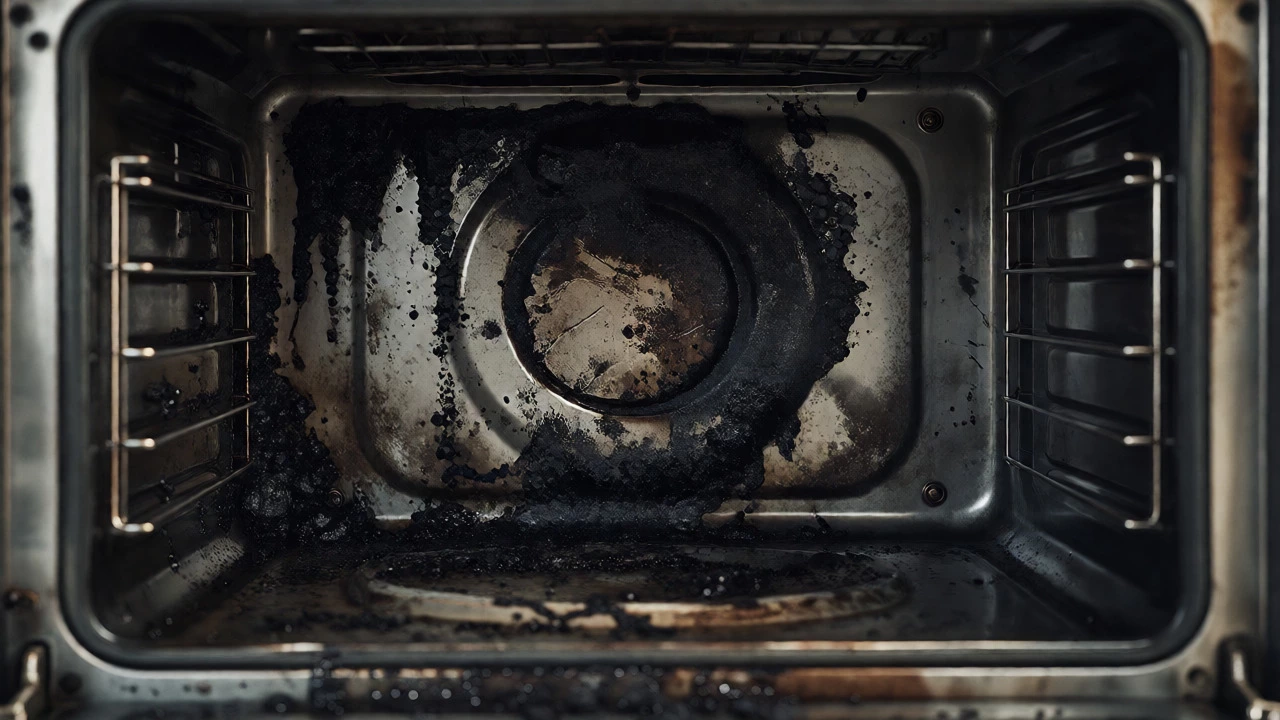
You know that smell. You open the door to roast a chicken or bake some cookies, and instead of anticipation, you get hit with a wave of stale smoke and burnt fat clinging to the walls. It’s not just unhygienic; it actually makes your food taste weird because those carbonized particles keep flaking off onto whatever you’re cooking next. Most people reach for those harsh chemical sprays that smell like industrial bleach and leave white streaks everywhere. But there is a better way, one that costs pennies and uses stuff you probably already have under the sink.
The undisputed champion of oven cleaning hacks isn’t a new gadget or an expensive service. It’s the classic combination of baking soda and white vinegar. This method works because it leverages basic chemistry to break down tough grime without turning your kitchen into a toxic zone. If you’ve been putting off scrubbing your oven because you dread the fumes and the elbow grease, this guide will show you exactly how to do it right in 2026.
Why Baking Soda and Vinegar Beat Chemical Sprays
Before we get into the steps, let’s talk about why this specific pairing is so effective. Sodium bicarbonate, commonly known as baking soda, is a mild alkali. When mixed with water, it creates a paste that penetrates deep into baked-on grease. Unlike acidic cleaners that might etch certain surfaces, baking soda is abrasive enough to lift dirt but gentle enough not to scratch enamel. Then, when you introduce acetic acid-which is what white vinegar is made of-you trigger a reaction. The fizzing action helps loosen debris, while the acid cuts through mineral deposits and neutralizes odors.
Commercial oven cleaners often contain sodium hydroxide (lye). While powerful, lye can burn your skin and lungs if you inhale the mist. With the baking soda method, you can clean with the windows closed if you want, though opening them is still smart. You’re also saving money. A box of baking soda costs less than £1, whereas a single bottle of premium spray cleaner can run you £5-£8. Over a year, that adds up, especially if you clean your oven quarterly.
The Step-by-Step Deep Clean Routine
This isn’t a five-minute wipe-down. For heavily soiled ovens, this process takes time to work its magic. Plan for at least 30 minutes of active work and several hours of waiting. Here is how you tackle it:
- Clear the decks: Remove all racks, trays, and thermometers from the oven. Soak these separately in a bathtub or large sink filled with hot water and a cup of baking soda. Let them sit while you clean the main cavity.
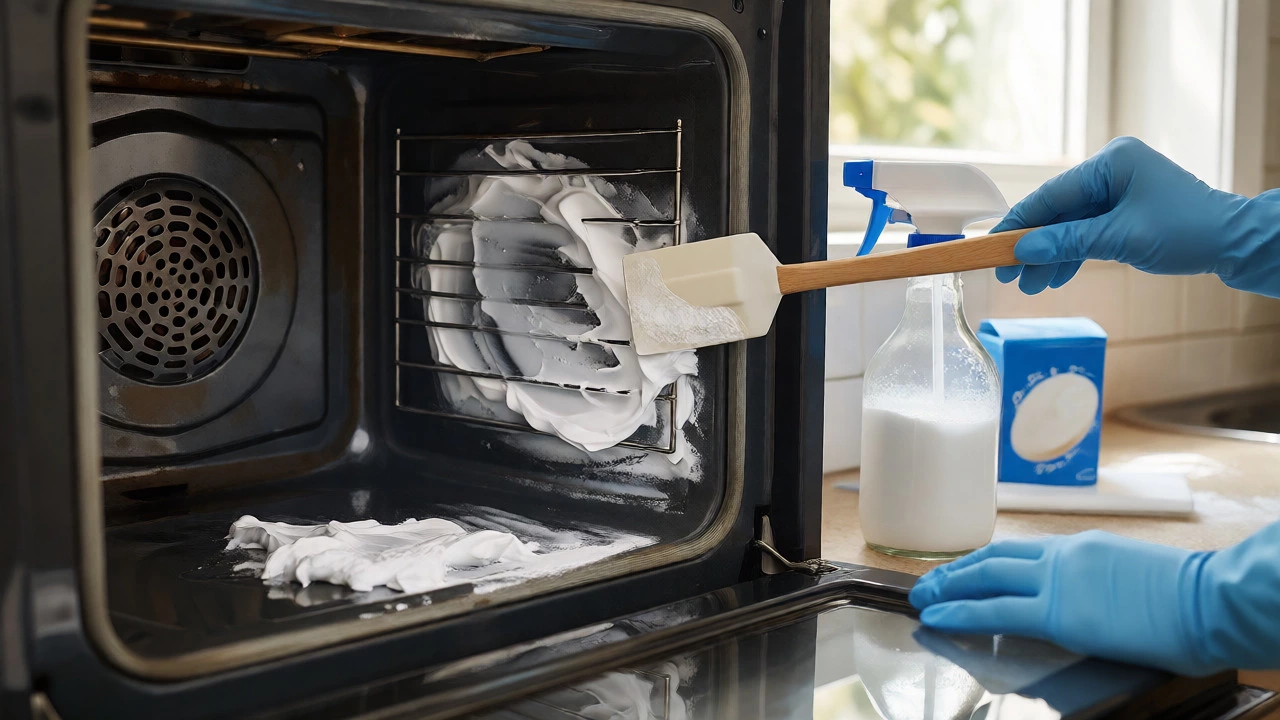
- Mix the paste: In a bowl, combine half a cup of baking soda with three tablespoons of water. Stir until it forms a thick, spreadable paste. It should look like frosting, not runny soup. If it’s too thin, add more baking soda; if it’s crumbly, add a drop more water.
- Apply generously: Using rubber gloves and a spatula or old spoon, smear the paste over every interior surface. Focus on the bottom where grease pools and the back wall where splatter accumulates. Avoid heating elements if you have exposed coils; for glass-covered elements, be careful not to get paste directly on the glass if possible, though it usually wipes off fine. Do not apply to the fan motor area.
- Let it sit: Close the door and walk away. Ideally, leave it overnight. The paste needs time to dry out and harden, which traps the grease inside the crystal structure of the baking soda. If you’re in a rush, four hours is the minimum, but overnight yields the best results.
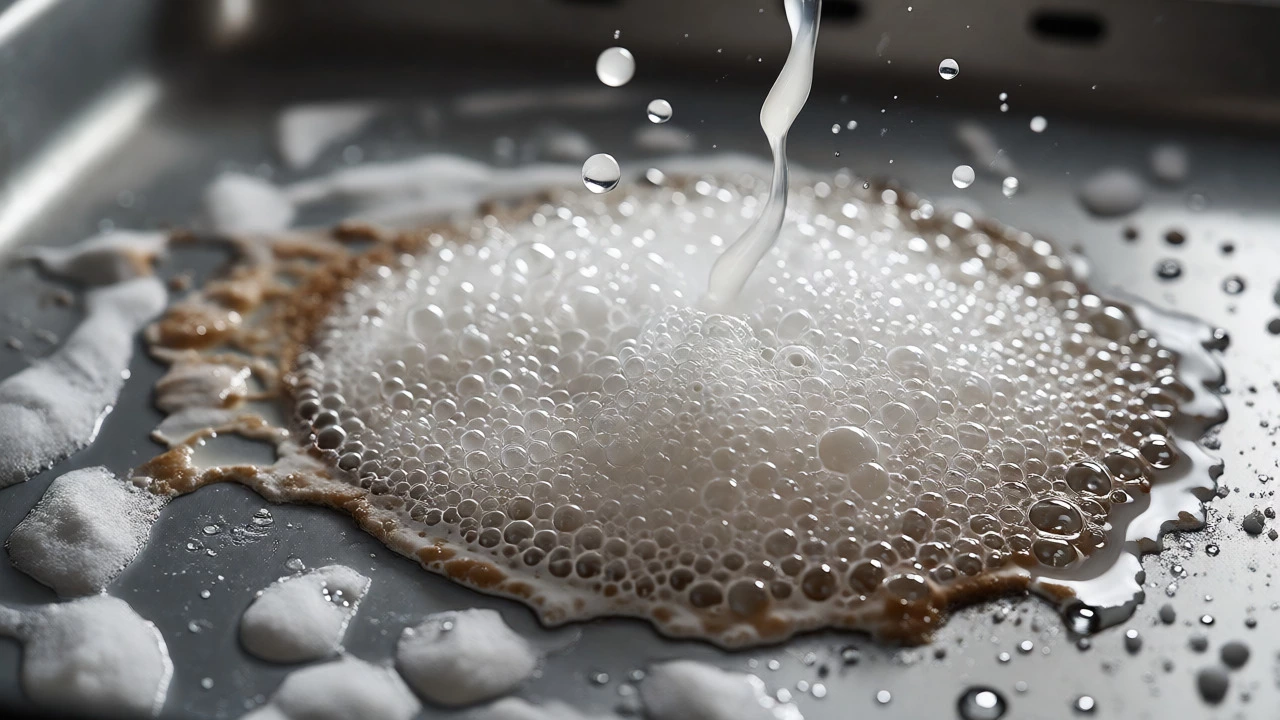
- The vinegar reveal: The next day, put the paste in a spray bottle with equal parts water and white vinegar. Spray this solution over the dried baking soda. Watch it fizz. This reaction lifts the hardened crust off the walls.
- Wipe it down: Use a damp cloth or sponge to wipe away the sludge. You’ll likely need to rinse your cloth multiple times. For stubborn spots, use a plastic scraper or a non-scratch scouring pad. Don’t use steel wool unless you are sure your oven lining is durable; it can scratch modern coatings.
- Rinse and dry: Give the interior a final wipe with a clean, wet cloth to remove any residue. Dry with a towel to prevent new water spots.
Tackling the Racks Without Scrubbing Your Arms Off
Oven racks are often the most annoying part because the grease gets trapped in the wire mesh. Many people give up here and just stick them in the dishwasher, which often leaves them grey and grimy. Instead, use the bathtub method mentioned earlier. Fill your tub with hot water and dissolve a full cup of baking soda into it. Submerge the racks completely. Let them soak for at least eight hours, preferably overnight.
When you pull them out, the gunk should slide off easily with a soft brush or even just your hands (wear gloves!). If they are still stubborn, sprinkle a little extra baking soda directly on the rack and scrub gently. This method restores the shine without the risk of damaging the chrome plating that harsh chemicals sometimes cause.
What About Self-Cleaning Ovens?
If you have a modern oven with a self-cleaning cycle, you might wonder if this hack applies. Yes, but with caveats. Self-cleaning ovens use extreme heat (around 500°C / 900°F) to incinerate food residue into ash. However, if your oven has massive amounts of grease or sugary spills, the self-clean function can turn those into sticky tar rather than ash, making it harder to remove later.
Use the baking soda method first to remove heavy buildup before running a self-clean cycle. This prevents the oven from smoking excessively during the high-heat phase. Also, note that self-cleaning cycles can damage the seals and shorten the lifespan of the appliance if used too frequently. Relying on manual cleaning twice a year and using self-clean only once a year is a good balance for maintaining longevity.
Common Mistakes That Ruin Your Efforts
Even simple methods can go wrong if you skip details. Here are pitfalls to avoid:
- Ignoring the door glass: The inside of the oven door often has layers of grease between the panes. If your door is removable, take it apart (check your manual) and clean the inner glass with the same paste. If not, try to get as close to the edges as possible with a folded paper towel dipped in vinegar.
- Using abrasive tools on enamel: Never use razor blades or metal scrapers on the painted interior. They create micro-scratches that hold dirt faster next time. Stick to plastic scrapers or wooden spoons.
- Forgetting the exterior: A clean oven looks odd with a filthy handle and control panel. Wipe down the front with a mixture of dish soap and warm water. For stainless steel finishes, follow the grain of the metal to avoid swirl marks.
- Cleaning while hot: Always ensure the oven is completely cool before applying the paste. Applying cold paste to a hot surface causes rapid evaporation, leaving a chalky mess that is hard to wipe off.
Comparison: DIY vs. Professional vs. Commercial Products
How does this hack stack up against other options? Here is a quick breakdown to help you decide when to DIY and when to call for help.
| Method | Cost | Time Effort | Eco-Impact | Best For |
|---|---|---|---|---|
| Baking Soda & Vinegar | Low (£1-£2) | High (Active + Waiting) | High (Non-toxic) | Regular maintenance, moderate grime |
| Chemical Spray Cleaner | Medium (£5-£10) | Low (Fast acting) | Low (Harsh fumes) | Quick fixes, light spills |
| Self-Clean Cycle | Medium (Energy cost) | Low (Set and forget) | Medium (High energy use) | Light ash, annual deep clean |
| Professional Service | High (£50-£100+) | None | Variable | Severe neglect, rental turnovers |
For most households, the baking soda method hits the sweet spot. It’s cheap, safe for kids and pets, and effective for 90% of scenarios. Save professional services for end-of-tenancy cleans or ovens that haven’t been touched in years.
Preventing Future Buildup
Cleaning is easier if you don’t let the mess accumulate. After each major cook, especially roasts or pies, place a sheet of aluminum foil on the bottom rack (not touching the heating element) to catch drips. Replace it regularly. Wipe up any immediate spills with a damp cloth once the oven is cool enough to touch. This "clean-as-you-go" habit means your monthly deep clean takes ten minutes instead of two hours.
Also, consider using an oven liner-a reusable silicone mat designed for the bottom of the oven. These protect the enamel and can simply be washed in the dishwasher. Just make sure they fit your model correctly so they don’t block airflow vents.
Can I use lemon juice instead of vinegar?
Yes, lemon juice contains citric acid, which also reacts with baking soda. It smells fresher than vinegar. However, vinegar is generally stronger at cutting through heavy grease and mineral deposits. Lemon is great for deodorizing, but for heavy-duty cleaning, white vinegar is more effective.
Will baking soda damage my oven seals?
No, baking soda is non-corrosive and safe for rubber gaskets. In fact, wiping the seals with a baking soda paste can help preserve their flexibility by removing oily residues that degrade rubber over time. Just ensure you wipe the seals thoroughly afterward to prevent grit accumulation.
How often should I deep clean my oven?
If you cook daily, aim for a deep clean every month. If you cook occasionally, every three months is sufficient. Regular light wiping after spills can extend the time between deep cleans significantly.
Is it safe to eat food cooked in an oven cleaned with baking soda?
Absolutely. Baking soda and vinegar are food-grade ingredients. Once wiped clean and rinsed, no harmful residues remain. Unlike chemical cleaners, there is no risk of ingesting toxic compounds from the cleaning agents themselves.
What if the paste doesn't come off?
If the paste has hardened into a crust that won't wipe away, spray it again with the vinegar solution and let it sit for another hour. The reactivation of the fizzing action usually loosens it. For very stubborn areas, use a plastic scraper gently. Avoid metal tools to prevent scratching.