Pressure Washing Business Profit Calculator
Monthly Revenue
£0
Monthly Expenses
£0
Monthly Profit
£0
Based on industry standards: 25 working days per month
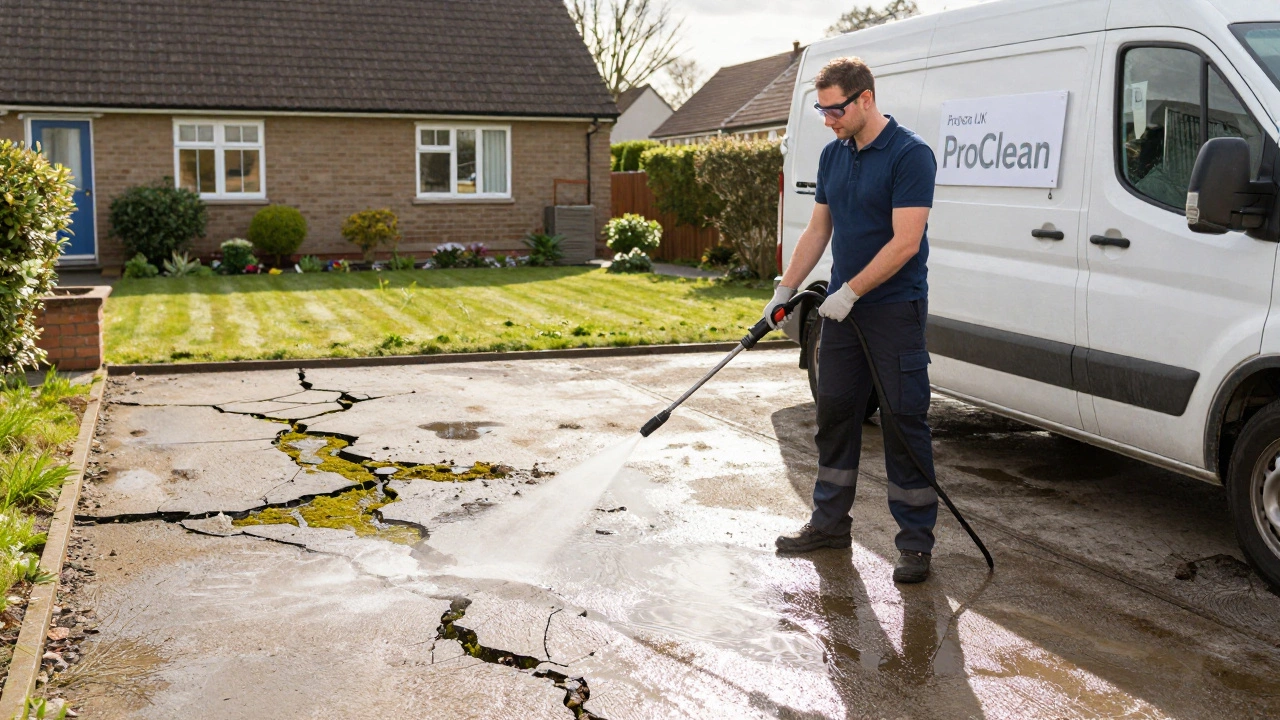
Running a pressure washing business isn’t just about spraying water on driveways. It’s about turning physical work into real profit-without needing a degree, a warehouse, or a team of employees. If you’ve ever walked past a grimy driveway, a moss-covered patio, or a stained brick wall and thought, ‘That could look brand new’, you’re already thinking like a pressure washing business owner.
What you actually make in pressure washing
A single residential driveway in the UK typically costs between £80 and £150 to clean. A larger property with a patio, steps, and garage floor? That’s £200 to £350. Commercial jobs-like cleaning shop fronts, restaurant exteriors, or apartment complexes-can go for £500 or more. One job a day, five days a week, is 25 jobs a month. At an average of £200 per job, that’s £5,000 in revenue. After fuel, equipment wear, and insurance, you’re still clearing £3,000 to £3,800 a month.
And here’s the kicker: you don’t need to work weekends. Most customers prefer weekday cleanings. You can finish by 3 PM, have the rest of the day free, and still out-earn a lot of office jobs.
How much does it cost to start?
You don’t need £20,000 to start. You need a pressure washer, a hose, nozzles, detergent, and a trailer or van to carry it. A decent gas-powered pressure washer with 3,000 PSI and 2.5 GPM costs around £800 to £1,200 new. Used ones? You can find solid models for £400 to £600 on Facebook Marketplace or local auctions. Add £150 for hoses, nozzles, and chemical dispensers. £100 for insurance. £200 for signage and a basic website. Total startup cost? Under £1,500.
Compare that to opening a coffee shop (£50,000+) or a cleaning franchise (£15,000+). Pressure washing has one of the lowest barriers to entry in the home services industry.
What you actually need to know
You don’t need to be a plumber or an engineer. You need to understand three things:
- Surface types-concrete, brick, wood, vinyl, stone-each need different pressure and detergent
- How to avoid damage-too much pressure on wood or old paint can strip it, and wrong nozzles can etch stone
- How to talk to customers-most people don’t know what pressure washing can do. Show them before-and-after photos. Explain why it’s not just ‘washing’-it’s restoration
YouTube has hundreds of free tutorials. Local hardware stores often run free demo days. Spend a weekend watching videos and practicing on an old fence or shed. In two weeks, you’ll know more than 80% of the people who claim they can do it.
Where the real money is
The biggest mistake new pressure washers make? Only doing driveways. The real profit is in recurring and commercial work.
Landlords with multi-unit properties? They need cleaning every 6 to 12 months. Once you clean one unit, they’ll ask you to do the rest. That’s £1,500 to £3,000 per job-once or twice a year. Property management companies are hungry for reliable contractors. You don’t need to chase them; they’ll find you once you have reviews.
Restaurants and pubs? Their outdoor seating areas get greasy, sticky, and grimy. A monthly cleaning contract at £300 per visit? That’s £3,600 a year per client. One client like that can pay for your entire setup.
And don’t forget seasonal demand. Spring and early autumn are peak times. In the UK, after winter, every homeowner wants their patio, path, and fence looking fresh. You can book out 3 to 4 weeks in advance by March.
What most people get wrong
People think pressure washing is easy because it looks easy. But the difference between a good job and a bad one is in the details.
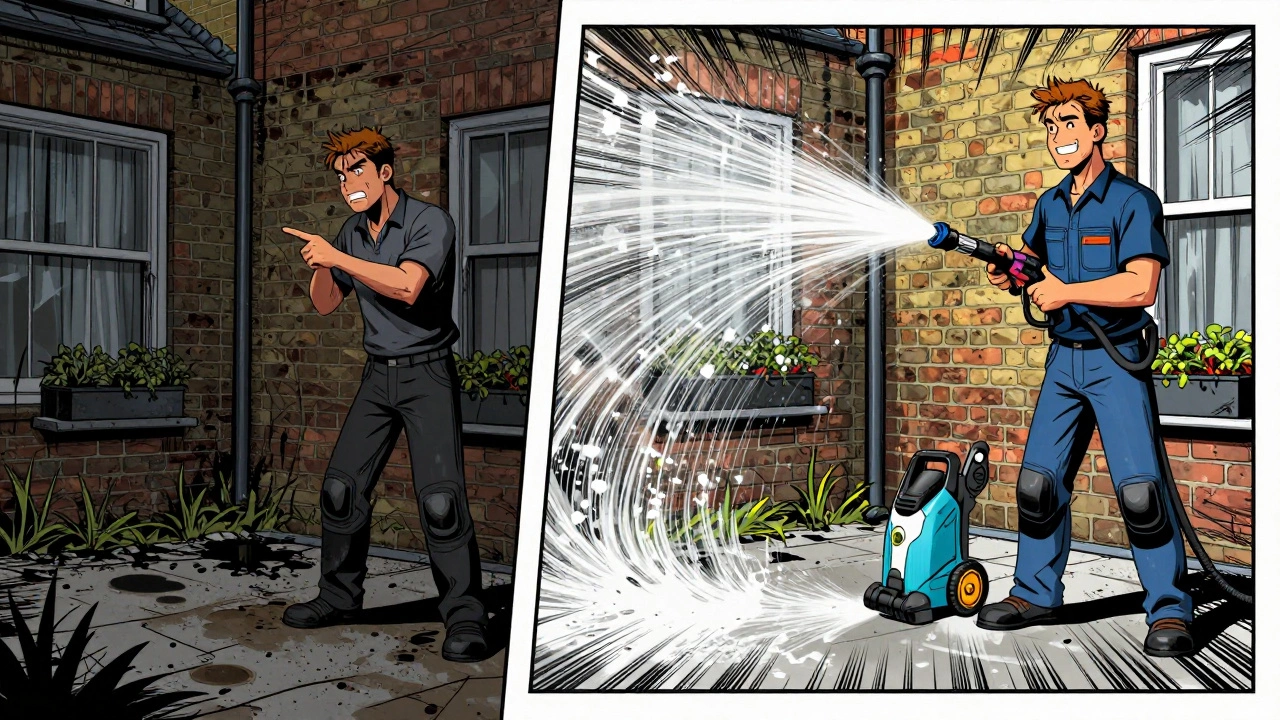
Bad pressure washer: Sprays too hard, strips paint, leaves streaks, uses cheap detergent that leaves residue.
Good pressure washer: Uses the right nozzle angle, pre-treats with biodegradable cleaner, rinses thoroughly, protects plants and windows, and cleans up after themselves.
Customers remember the bad ones. They tell everyone. But they also remember the good ones. They leave Google reviews. They refer you to their neighbours. One five-star review can bring you three new jobs.
Tools you actually need
Forget the fancy gadgets. You don’t need a $3,000 machine to make money. Here’s what you actually need:
- Gas pressure washer (3,000 PSI, 2.5 GPM minimum)-electric models lack the power for serious jobs
- 25m to 50m hose-long enough to reach from the van to the back of a garden
- 5 nozzles (0°, 15°, 25°, 40°, and a soap applicator)
- Biodegradable detergent-for grease, algae, and mould
- Protective gear-gloves, eye protection, non-slip boots
- Trailer or van-to carry gear safely and look professional
- Simple booking system-Google Calendar or a free app like Calendly
You can buy all this for under £1,800. Most people spend more on a new smartphone.
How to get your first customers
You don’t need a big ad budget. You need to be visible where people already look.
- Post before-and-after photos on Facebook groups for your town-‘I cleaned this driveway for a neighbour. What do you think?’
- Leave flyers at local hardware stores, garden centres, and laundrettes
- Offer a £20 discount for referrals-people love free money
- Sign up on Checkatrade and MyBuilder-these sites bring in serious leads
- Ask friends, family, and neighbours if they know anyone with a dirty patio
Within 30 days, you’ll have your first five clients. After that, the word spreads. People don’t hire pressure washers based on price. They hire them based on trust and results.
Is it worth it?
Yes-if you treat it like a real business.
It’s not a side hustle you do on weekends for pocket money. It’s a trade. You’re a skilled service provider. You’re solving a real problem: ugly, neglected surfaces that lower property value and make homes feel neglected.
People pay for results, not tools. If you show up on time, do a clean job, and leave the place better than you found it, you’ll build a loyal customer base. You won’t need to chase work. Work will chase you.
And unlike a 9-to-5, you control your schedule. Rainy day? Reschedule. Got a free afternoon? Book a quick job. You’re not trapped. You’re in charge.
Pressure washing is one of the few businesses where you can start with £1,500, work alone, and earn £40,000 to £60,000 a year within 18 months. No employees. No rent. No inventory. Just your hands, your machine, and your reliability.
What happens if you don’t start?
Every year, thousands of UK homeowners spend hundreds of pounds hiring unreliable cleaners-or worse, they don’t clean at all. Their driveways turn black. Their patios become slippery. Their fences rot. Their property values drop.
Someone will step in to fix it. Why not you?
Do I need experience to start a pressure washing business?
No. Most successful pressure washing business owners had zero experience when they started. You don’t need certifications or training. You need to learn how to use the machine safely and understand surface types. Free YouTube tutorials, local hardware store demos, and a weekend of practice on an old fence will get you 90% of the way there.
How much time does it take to clean a typical driveway?
A standard 2-car driveway takes about 1.5 to 2 hours. That includes pre-treating with detergent, waiting 10 to 15 minutes, pressure washing, rinsing, and cleanup. If the surface is heavily stained or covered in moss, add another 30 to 45 minutes. Most experienced washers do 2 to 3 jobs per day.
Is pressure washing safe for all surfaces?
No. Wood, vinyl siding, and older brick can be damaged by too much pressure. Always use a wider nozzle (40°) and lower pressure for softer surfaces. Test in a hidden spot first. Use biodegradable cleaners designed for the material-never bleach on wood or stone. Knowing what not to do is more important than knowing how hard to spray.
Can I do this in winter?
Yes, but with limits. You can’t pressure wash when temperatures are below 4°C because water won’t dry and can freeze, causing damage. Winter is slow, but not dead. Focus on indoor jobs like garage floors, steps, and porches. Use the downtime to clean your equipment, update your website, and reach out to landlords for spring bookings.
Do I need insurance?
Yes. Public liability insurance is essential. It protects you if you accidentally damage a customer’s property-like cracking a patio slab or blasting a window. Basic coverage costs £150 to £250 a year. Without it, one mistake could cost you thousands. Most platforms like MyBuilder and Checkatrade require it before you can list.
How do I price my services?
Don’t compete on price. Charge based on surface area and difficulty. A standard driveway: £100-£150. A large patio with steps: £200-£300. Commercial jobs: £400-£800. Offer package deals-clean the driveway, patio, and fence together for 15% off. Customers prefer bundled deals. Undercutting prices attracts low-quality leads. Charge what you’re worth and deliver results.
Next steps if you’re serious
Start small. Buy a used pressure washer this week. Clean your own driveway or a friend’s. Take photos. Post them online. Message five local property owners and offer a free sample clean in exchange for a review. If you do that, you’ll have your first paying customer within two weeks.
This isn’t a get-rich-quick scheme. It’s a get-rich-slowly, but steadily, by doing honest work. The people who win aren’t the ones with the biggest machines. They’re the ones who show up, do the job right, and never stop asking for referrals.