Pressure Washer Power Calculator & Recommendation Tool
Enter PSI and GPM to see results
| Color / Angle | Pattern | Best Use Case | Caution |
|---|---|---|---|
| Red (0°) | Pinpoint Jet | Gum removal, heavy rust on concrete | Never use on wood/vinyl |
| Yellow (15°) | Narrow Fan | Tough stains on driveways/sidewalks | Can damage softer surfaces |
| Green (25°) | Standard Fan | All-purpose: Patios, decks, siding | Safe for most residential tasks |
| White (40°) | Wide Fan | Delicate surfaces: Windows, cars, painted walls | Low impact force |
| Black (Soap) | Low Pressure | Applying detergent/cleaning solution | Rinse with Green/White after |
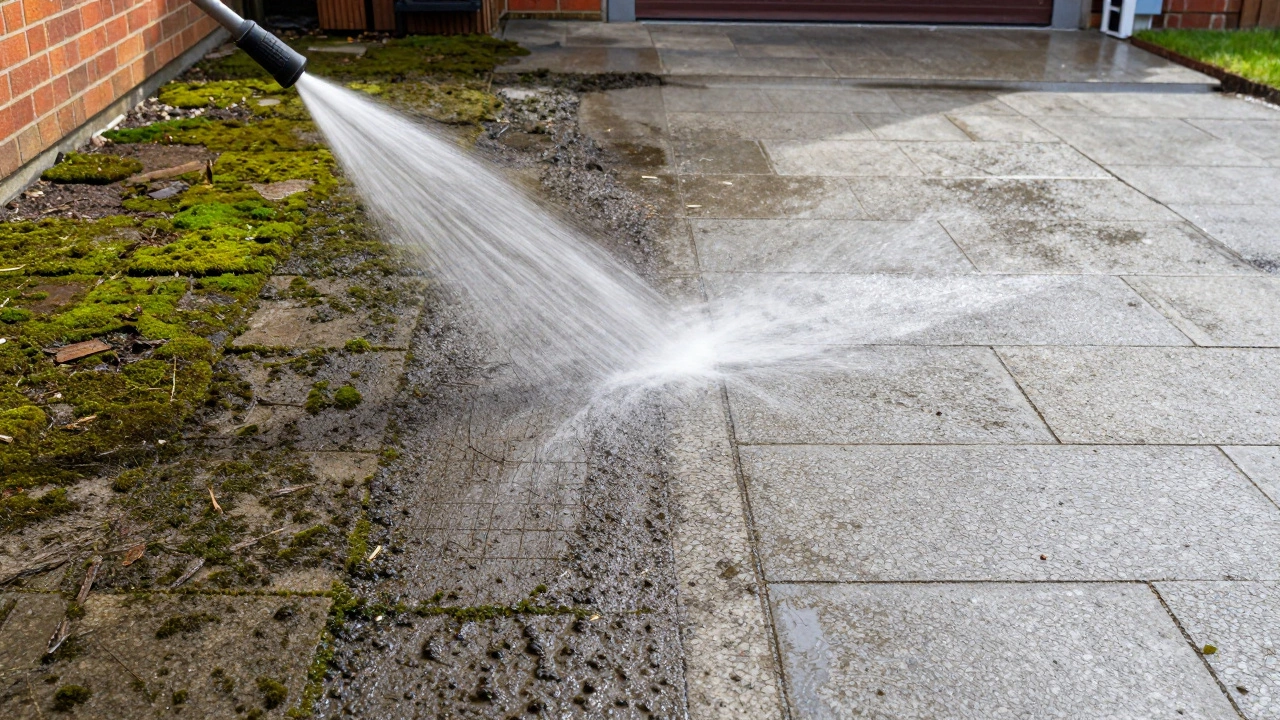
There is nothing quite as satisfying as watching years of grime, moss, and algae vanish from your driveway in seconds. But there is also nothing more frustrating than buying a machine that looks powerful in the box but struggles to clean a single square meter of patio. The market for pressure washers is high-pressure cleaning devices that use water pumps to remove dirt, mold, grime, dust, mud, and paint from surfaces. These machines range from cheap garden center models costing £80 to industrial-grade units exceeding £1,000. Picking the right one isn't just about how loud it is or how many nozzles are included. It comes down to understanding two specific numbers: PSI and GPM.
If you grab the wrong machine, you risk damaging your siding, wasting hours on stubborn stains, or breaking the pump within a year. Let’s break down exactly what matters when choosing a unit that will actually do the job without destroying your property.
The Two Numbers That Actually Matter
Most people look at the PSI first. They see “3,000 PSI” on the box and assume that means it cleans three times better than a 1,000 PSI model. This is a common trap. PSI stands for Pounds per Square Inch, measuring the force of the water stream. Think of PSI like the sharpness of a knife. A sharper knife cuts through paper easily, but if you push too hard, you might cut through the table underneath.
High PSI is great for concrete driveways where you need to blast away embedded oil stains or deep-set moss. However, if you use a high-PSI machine on wooden decking or painted brickwork, you will strip the finish and damage the surface. For most residential tasks-cleaning fences, patios, and house exteriors-you rarely need more than 2,000 to 2,500 PSI.
This is where GPM comes into play. Gallons Per Minute measures the volume of water flowing through the nozzle. If PSI is the knife’s sharpness, GPM is the size of the blade. A larger blade removes more material faster. In pressure washing, higher GPM rinses away the loosened dirt much quicker. A machine with 1.5 GPM will clean a driveway twice as fast as one with 0.75 GPM, even if they have the same PSI.
When shopping, calculate the cleaning power by multiplying PSI by GPM. This gives you a rough estimate of total cleaning efficiency. A 2,000 PSI machine with 1.4 GPM (2,800 cleaning units) will often outperform a 3,000 PSI machine with only 0.8 GPM (2,400 cleaning units) because it rinses the dirt away more effectively.
Electric vs. Gas: Which Engine Fits Your Life?
The choice between electric and gas depends entirely on where you live and what you plan to clean. Living in Bristol, I’ve used both types extensively on local terraced houses and larger suburban properties.
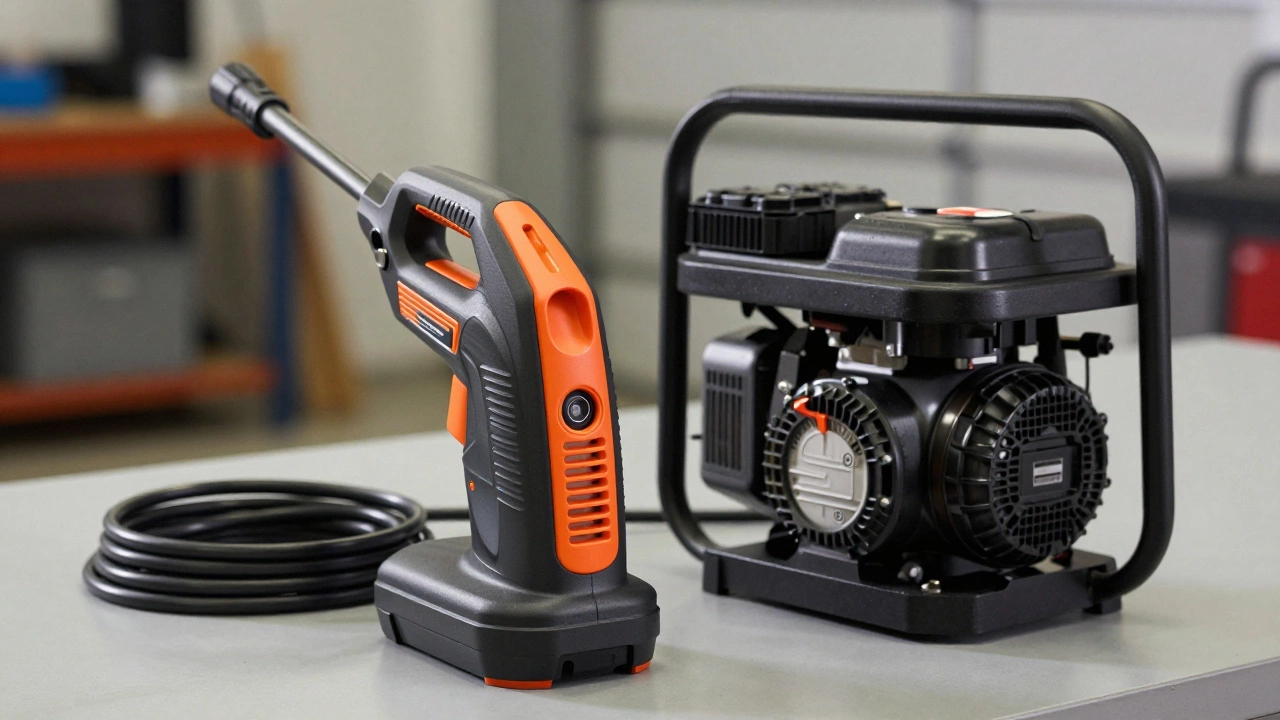
Electric pressure washers are machines powered by mains electricity, offering lower noise levels and minimal maintenance. They are lighter, quieter, and require almost no upkeep. You don’t need to mix fuel, change spark plugs, or worry about carburetor issues. For cleaning patios, washing cars, or tidying up garden furniture, an electric model is usually sufficient. Most domestic electric units cap out around 2,000 PSI and 1.2 GPM. This is plenty for 90% of household chores. The main limitation is the cord. You need access to an outdoor socket, and long extension cords can be a hassle.
Gas pressure washers are machines powered by internal combustion engines, providing higher power and mobility without cords. These beasts deliver higher PSI and GPM ratings, making them ideal for large driveways, commercial buildings, or stripping old paint from wood. They are louder, heavier, and require regular maintenance like oil changes and air filter cleaning. If you have a massive concrete area or live in a rural location without easy access to power outlets, gas is the way to go. However, for a typical UK semi-detached home, a gas washer is often overkill and adds unnecessary complexity.
| Feature | Electric | Gas |
|---|---|---|
| Max PSI | Up to 2,500 | 3,000+ |
| Max GPM | 1.5 - 1.8 | 2.0 - 4.0 |
| Noise Level | Quiet (60-70 dB) | Loud (70-85 dB) |
| Maintenance | Minimal | Regular (oil, filters) |
| Best For | Patios, Cars, Decks | Driveways, Commercial Use |
Pump Type: The Heart of the Machine
If you want your pressure washer to last more than a season, you need to look inside the casing. The pump is the component that pressurizes the water, and its construction determines the lifespan of the unit.
Cheaper models use Plastic pumps are cost-effective pumping mechanisms made from polymer materials, suitable for light occasional use. These are fine if you plan to wash your car once a month. They are lightweight and inexpensive to manufacture. However, they degrade quickly under continuous use and cannot handle high temperatures well. If you leave detergent in the pump overnight, plastic seals can swell and crack.
For serious users, look for Axial cam pumps are durable metal pumps with axial pistons, designed for medium-duty residential applications. Made from aluminum or stainless steel, these pumps can withstand higher pressures and longer run times. They are standard in mid-range electric and entry-level gas models. They offer a good balance of price and durability for homeowners who clean their driveway every few months.
The gold standard is the Triplex plunger pump is heavy-duty industrial pumps with three pistons, providing smooth, high-pressure flow for professional use. Found in high-end gas models and commercial equipment, triplex pumps use ceramic plungers and bronze cylinders. They run cooler, smoother, and last significantly longer than axial cams. If you are buying a machine for frequent use or rental purposes, insist on a triplex pump. It costs more upfront but saves money in the long run by avoiding premature failure.
Nozzles and Spray Patterns
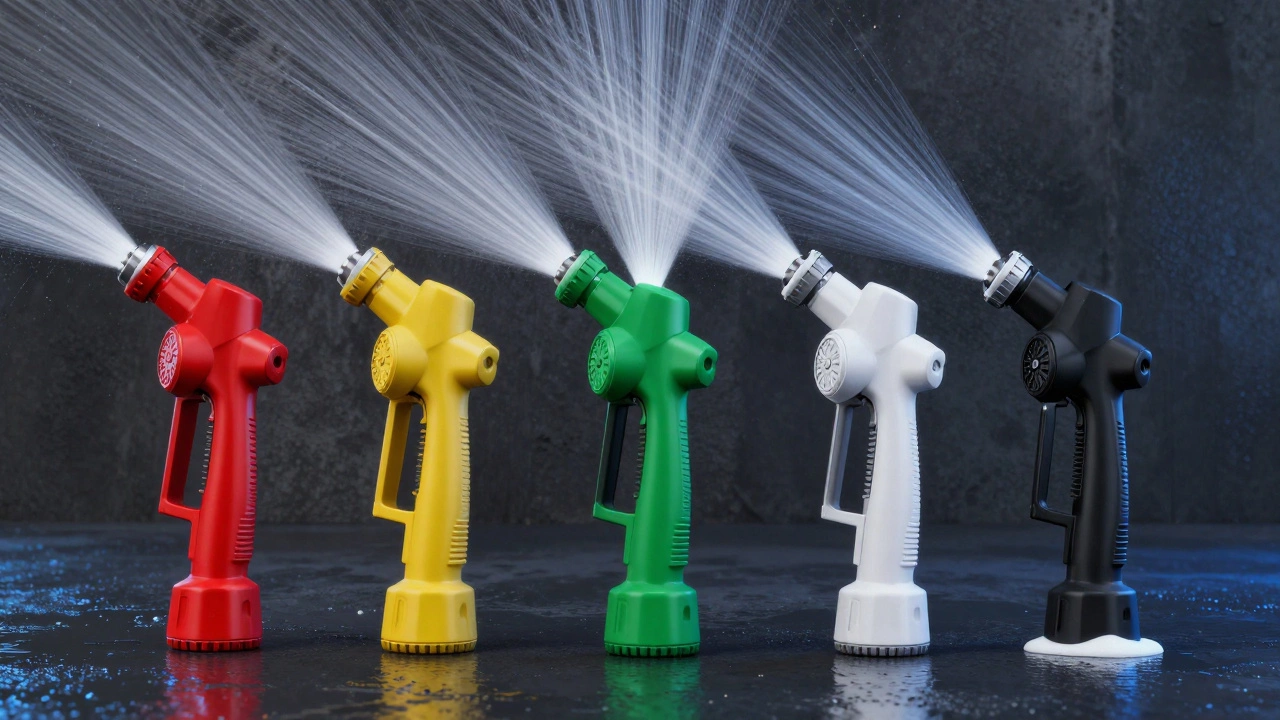
A pressure washer is only as good as the tip attached to the wand. Using the wrong nozzle can ruin your work instantly. Manufacturers include several colored tips, each serving a distinct purpose.
- Red (0 degrees): This is a pinpoint jet. It concentrates all the pressure into a tiny spot. Use this only for blasting gum off concrete or removing heavy rust. Never use this on wood, vinyl, or delicate surfaces. It acts like a water-powered chisel.
- Yellow (15 degrees): A narrow fan pattern. Good for tough stains on concrete driveways and sidewalks. It provides a balance of power and coverage.
- Green (25 degrees): The standard all-purpose nozzle. This is what you should use for most tasks, including cleaning patios, decks, and house siding. It spreads the pressure enough to avoid damage while still being effective.
- White (40 degrees): A wide fan pattern. Use this for delicate surfaces like window frames, painted walls, or vehicles. It reduces the impact force significantly.
- Black (Soap): This nozzle attaches to a soap bottle. It draws detergent into the low-pressure stream. Always rinse with a green or white nozzle after applying soap to ensure complete removal.
Some modern wands feature a quick-connect system where you twist the handle to change angles. This is far more convenient than unscrewing and swapping individual tips, especially when your hands are wet and cold.
Essential Accessories and Features
Don’t overlook the small details that make daily use easier. A machine with a short hose and poor storage will become a chore to set up, leading you to put off cleaning projects.
Hose length refers to the distance between the machine and the spray gun, typically ranging from 10 to 30 feet. A minimum of 25 feet is recommended for most homes. Shorter hoses mean constantly moving the heavy machine around corners. Longer hoses reduce pressure slightly due to friction loss, so look for reinforced rubber or braided nylon hoses rather than thin plastic ones.
Detergent tanks are built-in reservoirs for holding cleaning solutions, allowing direct application during washing. Integrated tanks are cleaner and more efficient than external soap bottles. They often have adjustable flow rates, letting you control how much chemical enters the stream. This is crucial for eco-friendly cleaning, as it prevents overuse of harsh chemicals.
Look for Onboard storage which includes dedicated spaces for storing nozzles, hoses, and detergent bottles on the machine itself. Hooks for the lance and holders for tips keep everything organized. When you finish a job, you can coil the hose and store the accessories immediately. This prevents lost parts and keeps your garage tidy.
Safety and Environmental Considerations
Pressure washing involves high-energy water jets that can cause injury. Always wear safety goggles. Debris kicked up by the stream can fly back at eye level. Closed-toe shoes are also recommended to protect against slipping on wet surfaces or hitting hidden objects.
In the UK, we must also consider environmental impact. High-pressure washing can dislodge pollutants, oils, and detergents into storm drains. Avoid using strong solvents near drains. Opt for biodegradable detergents labeled safe for septic systems and waterways. Many local councils have regulations regarding runoff from driveways. Using a vacuum attachment or containment method for heavily contaminated areas may be necessary.
Never point the nozzle at people, pets, or electrical fixtures. The force can penetrate skin and cause severe lacerations. Keep children and animals away from the work area.
Maintenance Tips for Longevity
To get years of service from your pressure washer, basic maintenance is non-negotiable. After each use, trigger the gun until the pressure drops to zero. This releases residual pressure in the pump.
If you live in an area with hard water, install a Water filter is a screen device installed at the water inlet to prevent sand and debris from entering the pump. Sand and grit act like sandpaper inside the pump, wearing down seals and plungers rapidly. A simple inline filter costs very little and extends the life of the machine significantly.
For winter storage, drain all water from the pump and hoses. Freezing water expands and cracks metal and plastic components. Add pump saver fluid if recommended by the manufacturer. Store the unit in a dry, sheltered place.
What PSI do I need for cleaning a driveway?
For concrete driveways, aim for a pressure washer with at least 2,000 to 3,000 PSI. Higher PSI helps remove oil stains and deeply embedded dirt. Pair this with a GPM of 1.5 or higher for efficient rinsing. A 25-degree green nozzle is best for general cleaning, switching to yellow for tough spots.
Can I use a pressure washer on my house siding?
Yes, but caution is required. Use a maximum of 2,000 PSI and always start with a 40-degree white nozzle. Test a small, inconspicuous area first. Hold the wand at least 12 inches away from the surface. Vinyl siding can be damaged by high pressure, so keep the pressure moderate and move the wand continuously.
Is hot water better than cold water for pressure washing?
Hot water is superior for cutting grease and oil, such as in kitchen exhaust hoods or garage floors with automotive fluids. For general dirt, pollen, and mildew, cold water is sufficient and more energy-efficient. Hot water machines are significantly more expensive and complex to maintain.
How often should I replace the O-rings on my pressure washer?
Inspect O-rings annually or if you notice leaks. Replace them immediately if they show signs of cracking, flattening, or brittleness. Cheap rubber degrades quickly under UV exposure and heat. Silicone O-rings last longer and resist chemical damage better than standard rubber.
Do I need a special detergent for pressure washing?
Use detergents specifically formulated for pressure washers. Dish soap can create excessive suds that clog the pump and leave residues. Biodegradable cleaners are safer for plants and drainage systems. Apply detergent with the black soap nozzle, then rinse thoroughly with clear water.