Mattress Stain Treatment Finder
Select a stain type below to see the recommended treatment solution, ingredients needed, and step-by-step application method.
Treatment Plan
Select a stain to view instructions
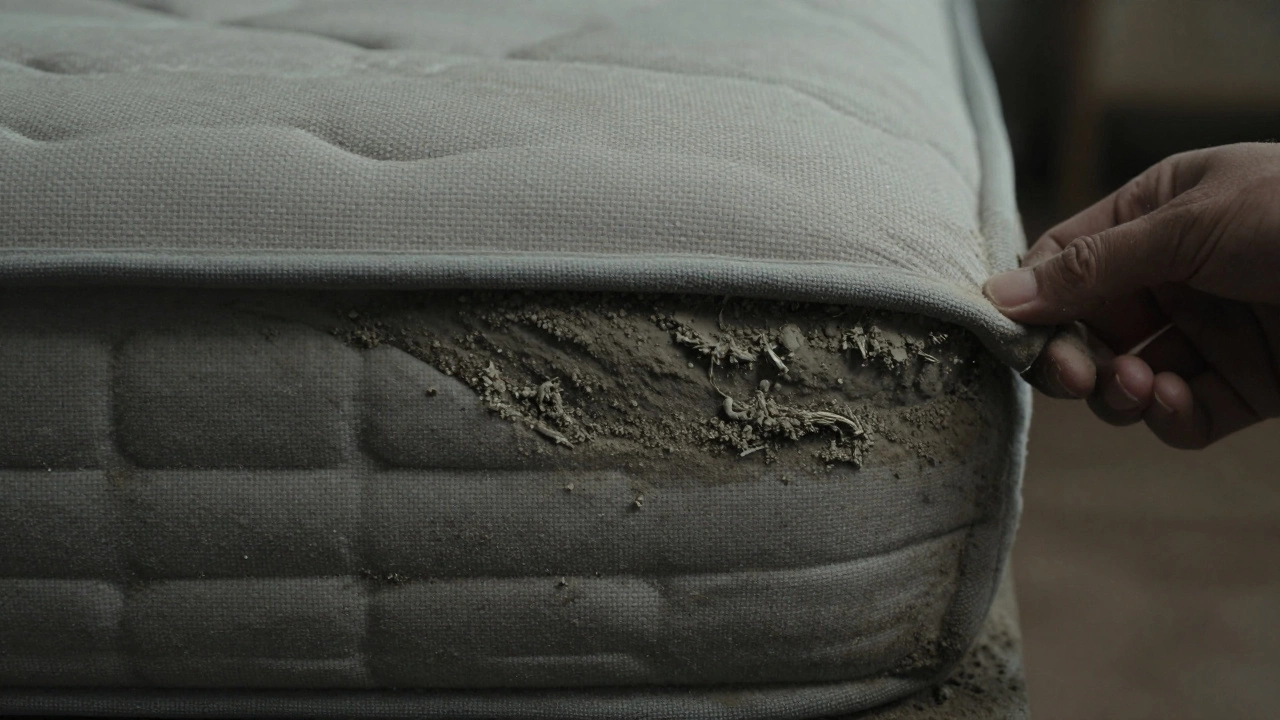
Have you ever lifted the corner of your mattress and wished you hadn't? That grey, crusty layer at the base isn't just dust; it's a year's worth of dead skin cells, sweat, and potential allergens. If your bed feels stiff or smells faintly sour, it’s time for more than a quick vacuum. A really dirty mattress requires a strategic approach to restore freshness without damaging the internal structure.
Cleaning a mattress isn't like washing a shirt. You can’t throw it in a machine, and soaking it with water can lead to mold growth inside the foam or springs. Instead, you need a dry-cleaning method that lifts dirt, neutralizes odors, and kills bacteria using heat and specific chemical reactions. Here is exactly how to tackle a neglected mattress safely and effectively.
Gather Your Arsenal: What You Actually Need
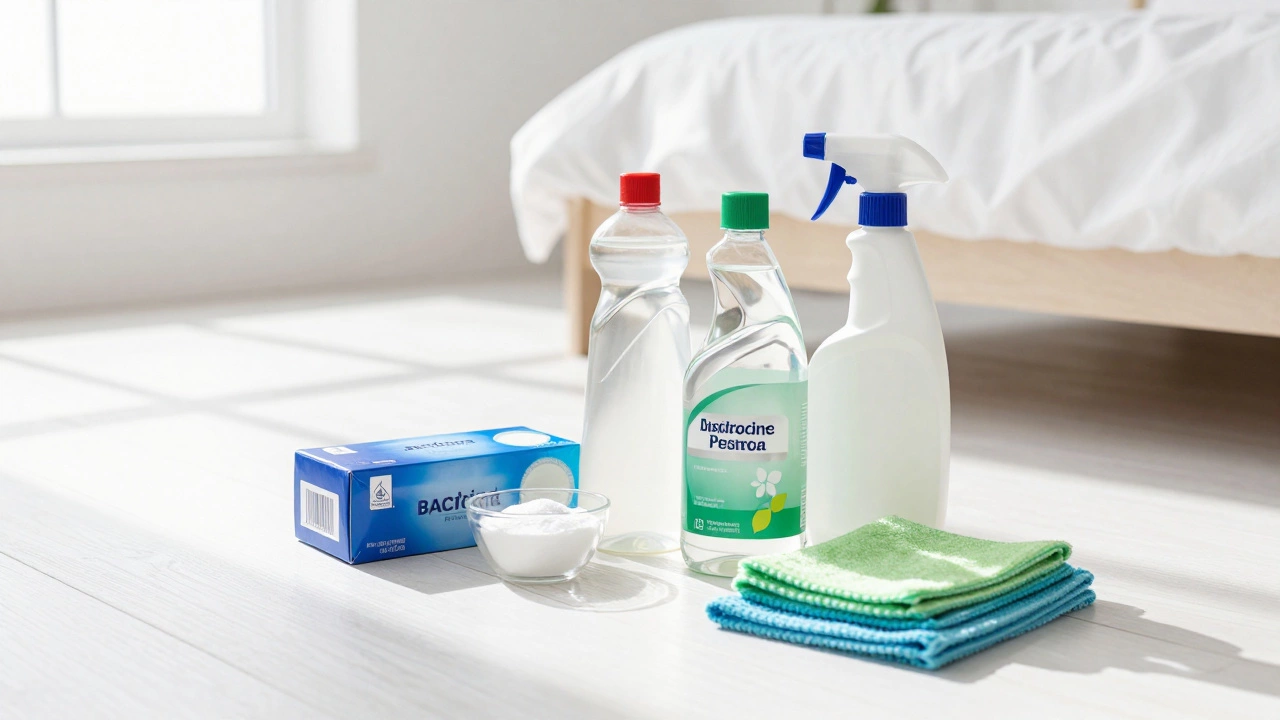
Before you start stripping the bed, make sure you have the right tools. Using the wrong products can leave sticky residues that attract even more dirt later. You don’t need expensive professional gear, but household items work best when used correctly.
- Vacuum cleaner: Preferably one with an upholstery attachment. A handheld unit works if the main vacuum is too bulky.
- Baking soda: This is your primary odor absorber and gentle abrasive. Get a large box (1kg+).
- White vinegar: Distilled white vinegar cuts through organic stains and neutralizes alkaline odors like urine or sweat.
- Hydrogen peroxide (3%): Essential for bleaching out stubborn blood or wine stains. Do not use higher concentrations as they can damage fabrics.
- Dish soap: A mild, clear dishwashing liquid helps break down oils from body sweat.
- Cold water: Always use cold water for pre-treatment. Hot water sets protein-based stains like blood permanently.
- Microfiber cloths: These are absorbent and lint-free, preventing fibers from sticking to the mattress.
- Spray bottle: For mixing your cleaning solutions.
Step 1: Strip and Vacuum Thoroughly
The first step is removing all bedding. Wash your sheets, pillowcases, and duvet covers in hot water (60°C/140°F) to kill dust mites. While those are in the wash, turn your attention to the bare mattress.
Flip the mattress over if possible. Many people forget the bottom half, which accumulates dust from the floor and air circulation gaps. If it’s a heavy hybrid or memory foam model that cannot be flipped, rotate it 180 degrees so you can access the side facing the headboard.
Use the vacuum cleaner’s upholstery attachment. Go slowly. You aren't just looking for visible crumbs; you are sucking up embedded dust mite feces, hair, and fine particulate matter. Use firm pressure and move in overlapping strokes. Pay special attention to seams and tufts, where debris loves to hide. If your mattress has zippers on removable covers, unzip them and vacuum inside the cavity if accessible.
Step 2: Treat Stains Before They Set
If there are visible stains, address them now. Do not scrub vigorously, as this pushes the stain deeper into the foam. Blotting is key. Identify the type of stain to choose the right treatment.
| Stain Type | Best Solution | Method |
|---|---|---|
| Blood | Cold water + Hydrogen Peroxide | Blot with cold water first. Apply peroxide, let bubble, blot again. Never use heat. |
| Urine | Enzymatic cleaner or Vinegar solution | Apply enzymatic cleaner to break down urea. Let sit for 15 mins. Blot dry. |
| Sweat/Yellowing | Baking Soda paste | Mix baking soda with a little water. Gently rub into yellow areas. Let dry completely. |
| Wine/Coffee | Dish soap + Cold water | Mix 1 tsp soap with 1 cup water. Dab with cloth. Rinse by dabbing with plain water. |
For general grime, mix a solution of equal parts white vinegar and water in a spray bottle. Lightly mist the stained area. Do not soak it. The goal is dampness, not wetness. Blot immediately with a microfiber cloth until the stain lifts. Repeat if necessary. Allow the spot to air dry before moving to the next step.
Step 3: Deodorize with Baking Soda
This is the most critical step for a "really dirty" mattress. Baking soda acts as a desiccant and an odor neutralizer. It pulls moisture and smells out of the fabric.
Generously sprinkle baking soda over the entire surface of the mattress. Don’t skimp. You want a thick, even layer, about 1/4 inch deep. If you have particularly smelly areas (like the center where you sleep), add a few drops of essential oil like lavender or tea tree oil to the baking soda before sprinkling. Tea tree oil also has natural antifungal properties.
Let the baking soda sit. Ideally, leave it for 8 hours or overnight. The longer it sits, the more odor it absorbs. During this time, open windows to allow fresh air to circulate. If you have sunlight streaming into the room, let it hit the mattress. UV light is a natural disinfectant that helps kill bacteria and dust mites.
Step 4: Steam Clean for Deep Sanitization
If your mattress is heavily soiled or you suffer from allergies, steam cleaning is the gold standard. High-temperature steam (above 100°C/212°F) kills dust mites, bed bugs, and bacteria without chemicals. However, you must be careful not to saturate the mattress.
Use a handheld steamer or a carpet cleaner with a low-moisture setting. Move the steamer slowly across the surface, keeping it slightly above the fabric. Do not hold the nozzle in one spot, as this can inject too much moisture into the foam layers. Focus on high-contact areas: the center, shoulders, and hips.
If you do not own a steamer, you can skip this step, but ensure the baking soda step was thorough. Steam is optional but highly recommended for sanitization.
Step 5: Final Vacuum and Dry
After the baking soda has done its work (and any steam cleaning has dried), vacuum the mattress again. This removes the baking soda along with all the dirt and odors it trapped. Use the upholstery attachment once more, going over every inch of the surface.
Ensure the mattress is completely dry before putting sheets back on. Even slight dampness can lead to mold growth within 24-48 hours. Place fans in the room or run the air conditioning to speed up drying. If you live in a humid climate like Bristol in late spring, this step takes extra patience. Wait until the mattress feels cool and dry to the touch.
Preventing Future Dirt Buildup
Cleaning a mattress is labor-intensive. To avoid doing this every six months, implement these protective habits:
- Use a waterproof mattress protector: This is non-negotiable. It blocks sweat, spills, and accidents from reaching the actual mattress. Wash the protector monthly.
- Rotate your mattress: Every 3-6 months, rotate the mattress 180 degrees. This distributes wear and tear evenly and prevents body impressions from forming in one spot.
- No eating in bed: Crumbs attract pests and cause stains. Keep snacks off the mattress.
- Shower before bed: Reducing the amount of oil, dirt, and bacteria you transfer to the sheets significantly extends the life of your mattress.
- Air it out weekly: Strip the sheets once a week and let the mattress breathe for an hour. This reduces humidity buildup.
When to Call a Professional
There are times when DIY cleaning isn't enough. If your mattress has large urine stains that smell despite treatment, or if you suspect a bed bug infestation, call a professional upholstery cleaner. They have industrial-grade extractors and specialized treatments that penetrate deeper than home equipment. Also, if your mattress is older than 7-10 years and sagging, cleaning won't fix structural issues-it might be time to replace it.
Can I use bleach to clean my mattress?
No, never use chlorine bleach on a mattress. It can weaken the fabric fibers, cause discoloration, and release harmful fumes that are difficult to ventilate from a porous material. Stick to hydrogen peroxide for whitening stains.
How often should I deep clean my mattress?
Aim to deep clean your mattress every 6 months. Vacuum it monthly to remove surface dust and allergens. If you have pets or allergies, consider deep cleaning quarterly.
Does baking soda damage memory foam?
No, baking soda is safe for all mattress types, including memory foam, latex, and innerspring. It is a dry powder and does not introduce moisture, which is the main enemy of foam mattresses.
Can I put my mattress in the sun to clean it?
Yes, sunlight is excellent for killing bacteria and dust mites. However, prolonged exposure to direct UV rays can degrade some fabrics and foam over time. Limit sun exposure to 2-4 hours during a cleaning session.
What is the best way to remove pet urine smell?
Pet urine requires an enzymatic cleaner designed specifically for pet waste. Standard cleaners may mask the smell temporarily, but enzymes break down the uric acid crystals that cause the persistent odor. After applying, let it dry completely before vacuuming.