Streak-Free Window Cleaner Calculator
Make Your Own Solution
Use distilled water only
1 cup distilled water : 1 cup vinegar : 2 drops dish soap
Your Perfect Solution
How to use:
1. Mix ingredients in spray bottle
2. Spray on cool, overcast day
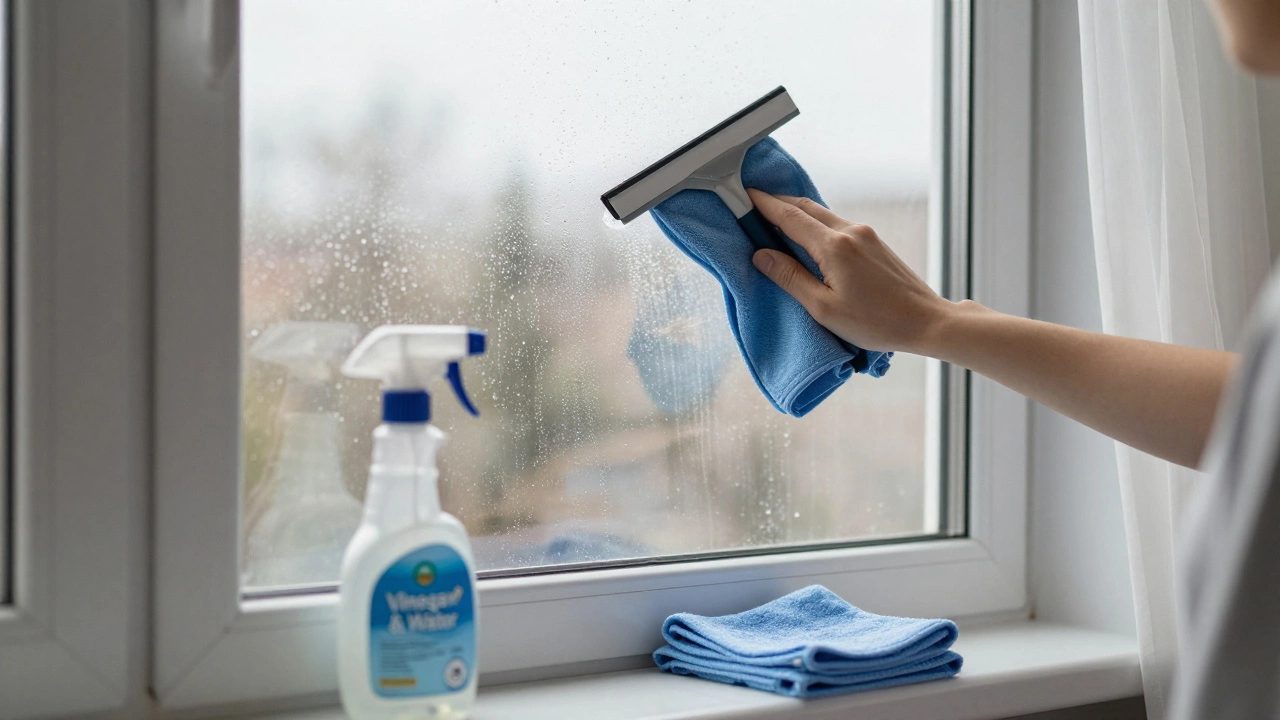
3. Wipe with clean microfiber cloth
4. Use squeegee in straight downward strokes
Nothing ruins a crisp, clear view like streaky windows. You’ve wiped them down, maybe even used a squeegee, and yet-there they are: smears, swirls, and foggy patches that make your whole house look dirty. It’s frustrating, especially when you know you put in the effort. The truth? Streaky windows aren’t about bad luck or weak cleaning products. They’re almost always caused by one or more simple mistakes in how you clean them.
Your cleaning tools are part of the problem
Most people reach for a paper towel or a cheap microfiber cloth because they’re handy. But paper towels leave behind tiny fibers and lint. Even some microfiber cloths aren’t made for glass-they’re designed for dusting or wiping counters. When you wipe glass with the wrong fabric, you’re not cleaning-you’re smearing dirt and fibers across the surface. Use a clean, high-quality microfiber cloth made specifically for glass. These are tightly woven and lint-free. You’ll know the difference: when you wipe with the right one, the glass feels smooth, not fuzzy. Keep one cloth just for windows and wash it after every use. A dirty cloth is one of the top reasons windows stay streaky.The water you’re using is hiding in plain sight
Tap water might seem fine, but in places like Bristol, it’s full of minerals. Hard water leaves behind calcium and magnesium deposits as it dries. These show up as white, cloudy streaks that look like they’re inside the glass-even though they’re just sitting on top. Distilled water is the fix. It’s been stripped of all minerals and impurities. You can buy it in bottles at any grocery store for under £1. Or, if you’re doing this regularly, invest in a small water distiller. Mix it with a drop of dish soap or a splash of white vinegar, and you’ve got a streak-free solution that works better than most commercial cleaners.You’re cleaning at the wrong time of day
It’s tempting to clean windows on a bright, sunny afternoon. But that’s exactly when you’ll get streaks. Sun heats up the glass, and when the cleaning solution hits warm glass, it evaporates too fast. The cleaner dries before you can wipe it off, leaving behind residue. Clean windows on a cool, overcast day-or early morning, before the sun hits them. If you must clean in the sun, work in small sections. Spray one small area, wipe it immediately, and move on. Don’t let the solution sit. Think of it like painting: you don’t let the paint dry on the brush.Your cleaning solution is too strong-or too weak
Too much soap? That’s a common mistake. A heavy soap residue clings to glass and attracts dust. Even a little dish soap can leave a film if you don’t rinse properly. On the flip side, using plain water alone won’t cut through grease or fingerprints. The sweet spot: one cup of distilled water, one cup of white vinegar, and two drops of dish soap. That’s it. Vinegar cuts grease and grime without leaving residue. The tiny bit of soap helps the solution cling just long enough to work, but not so long that it dries streaky. Mix it in a spray bottle. Shake gently. Use it every time.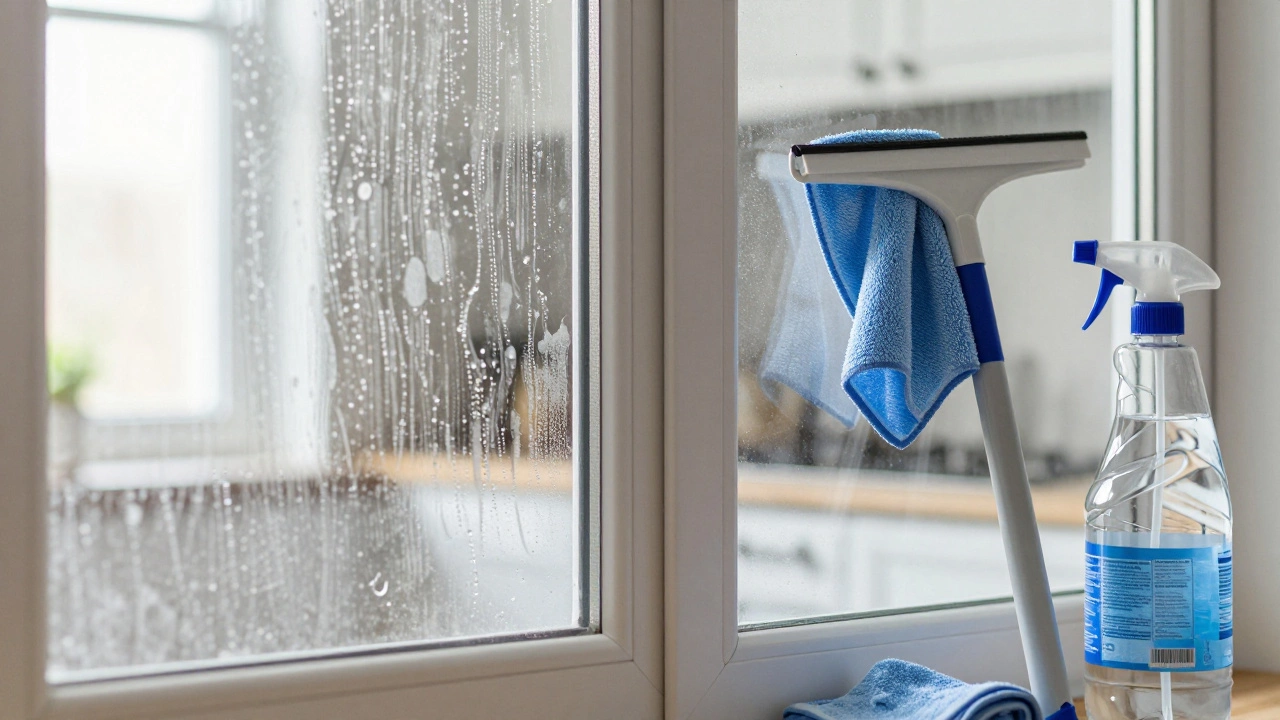
You’re skipping the squeegee-or using it wrong
A squeegee isn’t optional if you want truly streak-free glass. But most people use it like a mop-rubbing it back and forth. That’s how you get water trapped in the corners and streaks down the middle. Here’s how to use it right: Start at the top. Pull the squeegee down in one smooth, straight line. Wipe the blade with a clean cloth after every pass. Move over about 2 inches, and repeat. Don’t lift the squeegee off the glass until you’ve gone across the whole pane. Then wipe the edges with a dry microfiber cloth. It’s faster than you think, and it leaves glass looking like it was professionally done.Old frames and dirty tracks are dragging you down
If your windows look clean but still streak, check the tracks. Dirt, dust, and grime build up in the grooves. When you wipe the glass, that dirt gets pulled back up onto the edges. You’re not cleaning the glass-you’re just spreading the dirt around. Clean the tracks first. Use an old toothbrush and a mix of vinegar and water. Scrub out every bit of gunk. Then wipe the frame edges with a damp cloth before you even touch the glass. This step alone can cut streaks in half.Why commercial cleaners often make it worse
Many store-bought glass cleaners promise streak-free results. But they often contain ammonia, alcohol, or synthetic fragrances that leave behind invisible films. These films attract dust and make future cleaning harder. Plus, they’re expensive. The vinegar-and-water mix I mentioned? It costs pennies. It’s non-toxic. And it’s what professional window cleaners use when they’re cleaning high-rises in London or Edinburgh. You don’t need fancy sprays. You need the right method-and the right tools.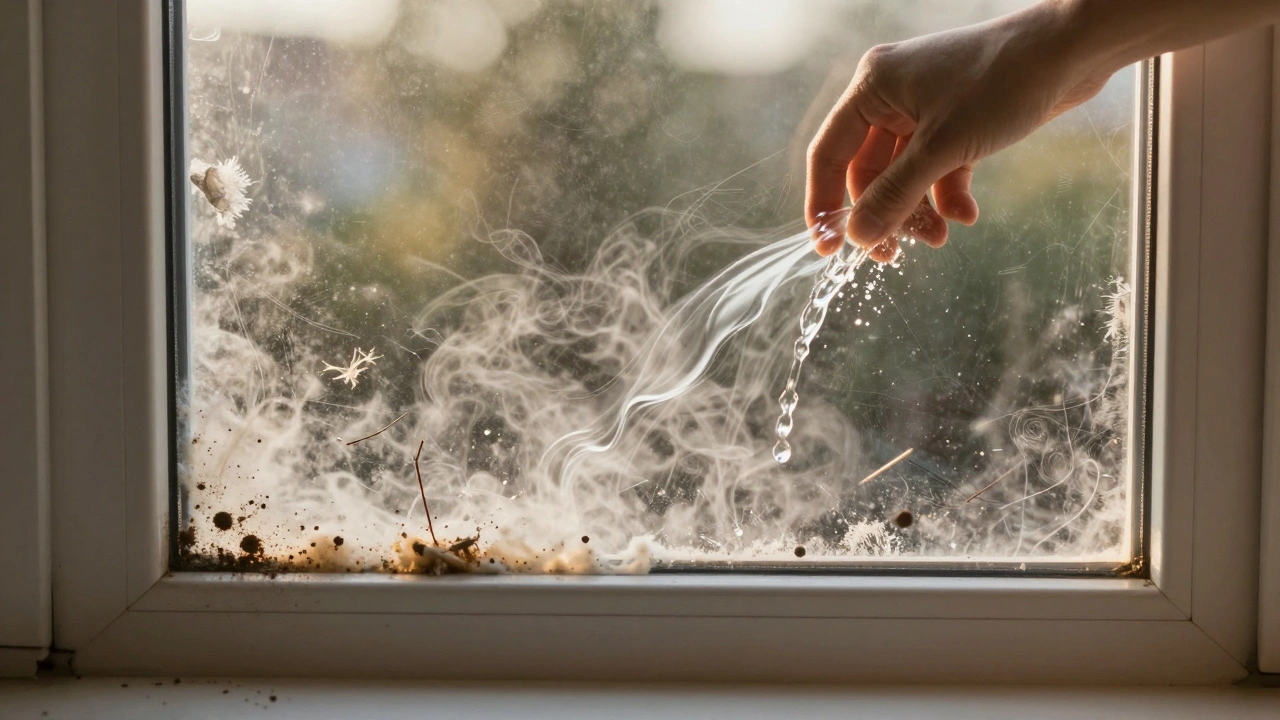
Quick checklist for streak-free windows
- Use distilled water-never tap water
- Use a clean, lint-free microfiber cloth designed for glass
- Use a squeegee with a rubber blade, and wipe the blade after every stroke
- Use a vinegar-water solution (1:1 with 2 drops of dish soap)
- Clean windows in the morning or on cloudy days
- Always clean the window tracks and frames before wiping the glass
- Never reuse a dirty cloth or sponge
What if the streaks won’t go away?
If you’ve tried all this and streaks still appear, you might have a deeper issue. Older windows can have a thin coating of silicone or sealant that’s broken down over time. This leaves a greasy residue that regular cleaning won’t touch. Try rubbing the glass gently with rubbing alcohol on a microfiber cloth. Let it sit for 10 seconds, then wipe clean. This strips off old films without damaging the glass. If that doesn’t work, the glass itself may be etched from years of abrasive cleaners or hard water buildup. In that case, you can’t polish it back to new-but you can prevent it from getting worse. Switch to the method above, and your windows will look better than they have in years.Final tip: Clean them regularly
The biggest secret? Don’t wait until your windows are filthy. Clean them every 4-6 weeks. A quick wipe-down with the vinegar solution and a squeegee takes less than 10 minutes per window. That’s less time than it takes to scroll through your phone. Regular cleaning stops grime from building up-and stops streaks from becoming permanent. Streaky windows aren’t a mystery. They’re a sign you’re using the wrong tools or timing. Fix those, and your windows will shine like new-every time.Why do my windows still look streaky even after using glass cleaner?
Most commercial glass cleaners contain ammonia or alcohol, which can leave behind a thin, invisible film. This film attracts dust and makes streaks worse over time. Distilled water mixed with vinegar and a drop of dish soap works better because it evaporates cleanly without residue.
Can I use newspaper to clean windows?
Newspaper can work in a pinch-it’s lint-free and absorbs moisture well. But modern ink can smudge and leave gray marks on glass, especially on tinted or coated windows. It’s not reliable. A clean microfiber cloth is safer and more effective.
Is it okay to clean windows in winter?
Yes, but avoid freezing temperatures. Water can freeze on the glass before you wipe it, leaving ice streaks. Wait for a day above 4°C (40°F), and clean in the afternoon when the sun is out but not directly hitting the windows. Use vinegar solution-it won’t freeze as easily as plain water.
Why do streaks appear only on some windows?
Windows facing south or west get more sun, which causes cleaner to dry faster and leave streaks. Also, older windows may have damaged seals or dirty tracks that transfer grime onto the glass. Check the frame and track first-clean those before wiping the glass.
Should I clean both sides of the window?
Yes, especially if you’re seeing streaks on the inside. Dust, skin oils, and cooking fumes build up on the interior surface. Cleaning just one side won’t fix it. Always clean both sides for truly clear glass.