Window Cleaning Safety Checker
Check Your Cleaning Method
Select what you're using to clean windows. We'll tell you if it's safe or dangerous.
Everyone thinks cleaning windows is simple. You spray, wipe, and done. But if you’ve ever looked at your windows after cleaning and seen streaks, smears, or even tiny scratches, you’re not alone. The problem isn’t your technique-it’s what you’re using to clean them. Many common household items that seem harmless-or even eco-friendly-can ruin your glass, leave residue, or make the job harder than it needs to be.
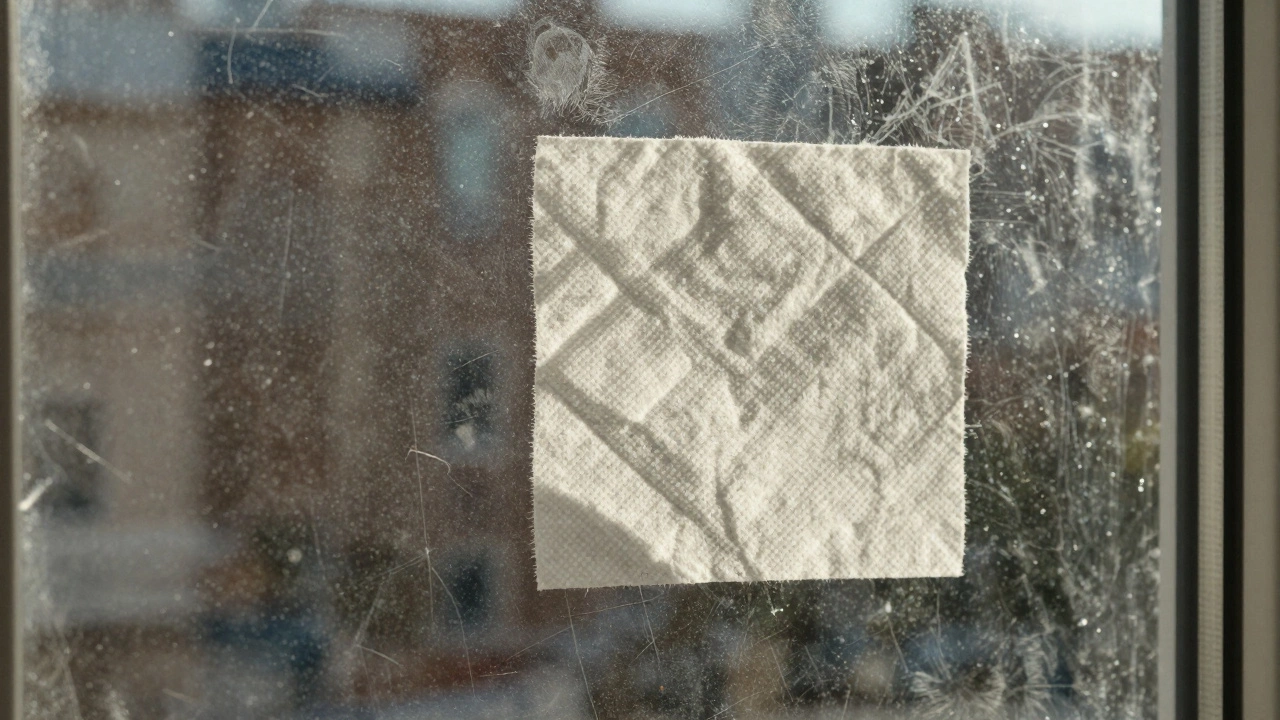
Don’t use paper towels
Paper towels might feel like a quick fix, but they’re one of the worst choices for glass. Most are made with short fibers that shed lint, leaving behind a fuzzy haze that looks like dust but won’t wipe off. Even high-quality paper towels can leave behind tiny paper bits that stick to damp glass. And if you’re using a cheap brand with added lotions or fragrances? You’re adding sticky residue to your windows, which attracts dirt faster than before you cleaned.People in Bristol often use paper towels because they’re handy. But if you’ve ever wiped your windows and still saw smudges under sunlight, that’s lint. It’s not the cleaner-it’s the towel.
Avoid ammonia-based cleaners on tinted or coated windows
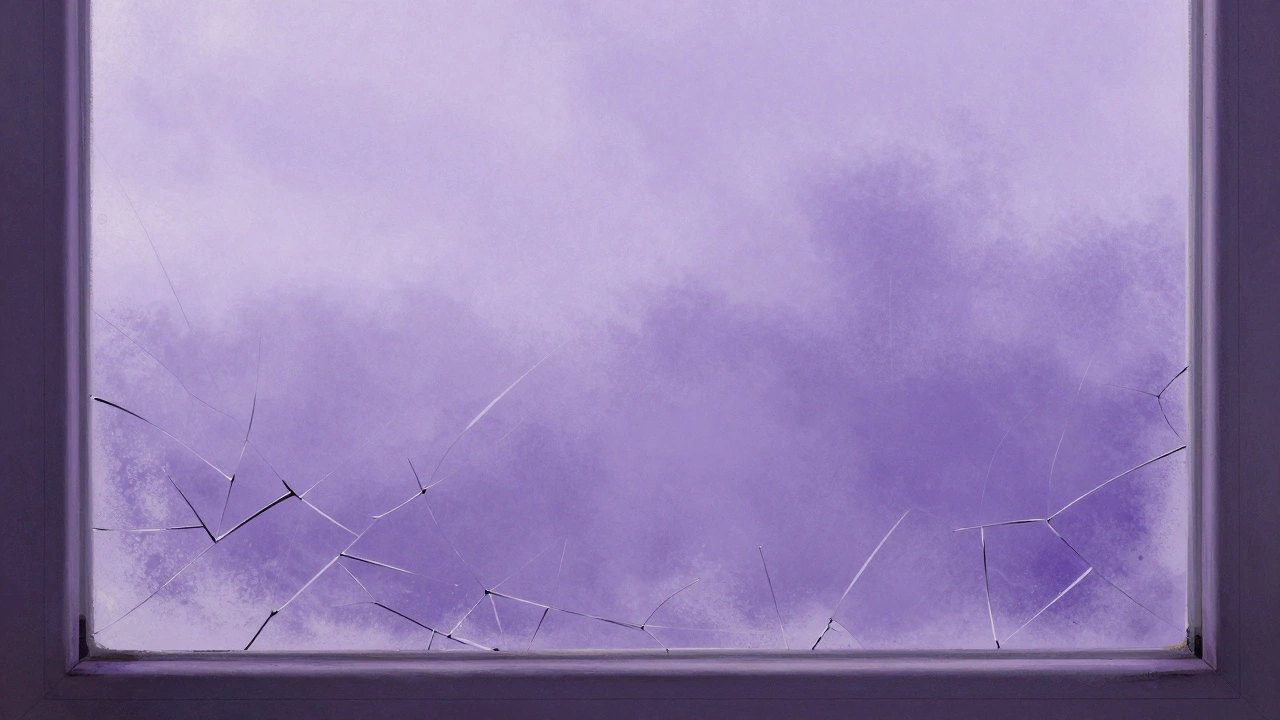
Ammonia is strong. It cuts through grease and grime fast. But if your windows have any kind of coating-low-e, solar control, or even factory-applied tint-ammonia can eat through it. You won’t see it right away. But over time, the coating will cloud, peel, or turn purple. That’s not a cleaning fail. That’s permanent damage.Many modern homes, especially those built after 2010, have energy-efficient windows with coatings designed to reflect heat. Ammonia breaks down those coatings. And once it’s gone, you can’t fix it without replacing the glass. Check your window manufacturer’s guidelines. If they don’t mention ammonia, assume it’s not safe.
Never use vinegar straight on glass
Vinegar is popular in eco-cleaning circles. It’s cheap, natural, and smells like salad. But pure vinegar is too acidic. It doesn’t just clean-it etches. On older glass, especially antique or hand-blown windows, vinegar can create a permanent frosted look. Even on modern glass, undiluted vinegar leaves behind a sticky film that attracts dust and water spots.Some people mix vinegar with water and call it a day. That’s better than straight vinegar, but still not ideal. The water-to-vinegar ratio matters. Too much vinegar, and you’re risking residue. Too little, and it won’t cut through grease. Most professionals use a 1:4 vinegar-to-water mix at most, and even then, they rinse with distilled water afterward.
Stay away from abrasive sponges and steel wool
If you’ve got stubborn bird droppings, dried paint, or mineral deposits, it’s tempting to grab a scrubby sponge or even steel wool. Don’t. Even the softest steel wool (0000 grade) can leave micro-scratches that catch light and look like foggy patches. Non-scratch sponges might seem safe, but many still contain tiny abrasive particles designed for pots and pans, not glass.Instead, use a plastic scraper with a fresh blade for dried-on gunk. It glides over glass without scratching. For light grime, a microfiber cloth dampened with water is enough. For tougher spots, a dedicated glass cleaner with a non-abrasive formula works better than scrubbing.
Don’t use dish soap unless you know how
Dish soap seems harmless-it’s made for cleaning. But most dish soaps contain grease-cutting agents and perfumes that leave a film on glass. That film attracts dust, makes windows look cloudy, and creates rainbow-like streaks in sunlight. Even a few drops in a bucket of water can cause problems.If you must use dish soap, go for a clear, fragrance-free, and dye-free version like Dawn Free & Gentle. Use no more than two drops per quart of water. Rinse thoroughly with distilled water. Most people skip the rinse, and that’s why their windows look worse after cleaning.
Old newspapers? They’re not magic
You’ve heard the myth: newspapers clean windows better than cloth because they’re lint-free and leave a shine. That’s partially true-but only if you’re using black-and-white print on uncoated paper. Modern newspapers use soy-based inks that still smear. And if the paper has color pages, glossy ads, or recycled content? You’re rubbing ink onto your glass.Plus, newspapers aren’t sterile. They pick up dirt, grease, and bacteria from delivery. If you’re cleaning windows in a home with kids or pets, you’re spreading germs along with the grime. Microfiber cloths are reusable, washable, and don’t shed ink. They’re safer and more effective.
Don’t clean windows in direct sunlight
This isn’t about what you use-it’s about when you use it. Cleaning windows in full sun is a recipe for streaks. The cleaner dries too fast before you can wipe it away. That leaves behind crystals of salt, minerals, or soap residue that look like spots.Professional window cleaners in Bristol work early morning or late afternoon. On overcast days, even better. The slower drying time lets you wipe evenly. If you clean on a sunny afternoon, you’re fighting evaporation, not cleaning. It’s not the product-it’s the timing.
Avoid homemade cleaners with alcohol or hydrogen peroxide
Alcohol and hydrogen peroxide sound like disinfectants that should work. But alcohol evaporates too quickly and can strip protective coatings. Hydrogen peroxide can bleach tinted frames or seals around the glass. Both can dry out rubber gaskets and cause leaks over time.There’s a reason professionals use isopropyl alcohol in very controlled amounts (under 10% concentration) and only on non-coated glass. Most DIY recipes call for 50% or more. That’s not cleaning-that’s chemical stripping.
What you should use instead
Stick to these three things:- Distilled water-no minerals to leave spots
- Microfiber cloths-lint-free, reusable, and highly absorbent
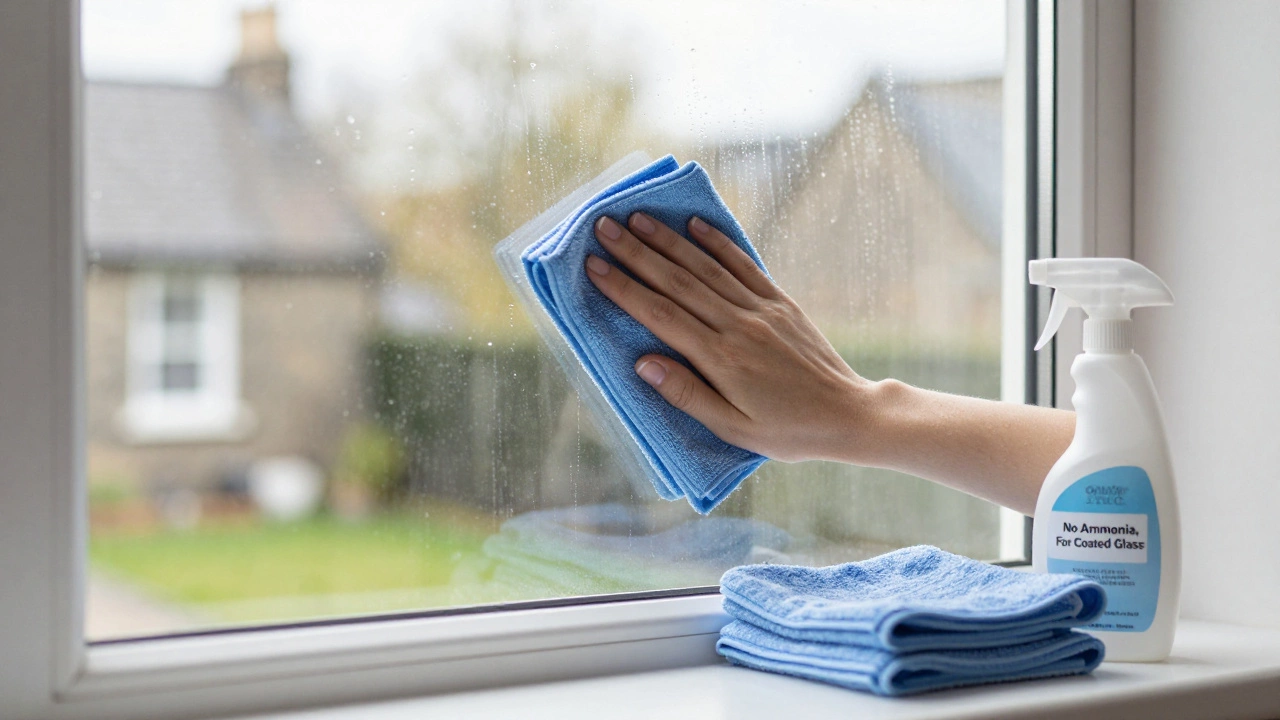
- A simple glass cleaner-look for one labeled “for coated glass” or “no ammonia”
For tough grime, add a drop of clear, fragrance-free dish soap to distilled water. Spray, wipe with one microfiber cloth, then dry with a second dry one. That’s it. No vinegar. No ammonia. No paper towels. No newspaper.
Windows should look clear, not sparkly. If they’re streak-free and don’t reflect your cleaning tools, you did it right.