DIY Window Cleaning Solution Calculator
Calculate the exact amount of ingredients needed for your window cleaning bucket based on your desired volume.
There is nothing more annoying than looking out a pristine indoor window only to see a dirty, streaked exterior ruining the view. You might think you need expensive chemicals or professional equipment to fix this, but the truth is simpler. The best way to clean outside windows relies on three things: the right tools, a simple DIY solution, and a technique that prevents water from drying before you wipe it away.
If you have ever tried washing your windows with just a rag and tap water, you know the result is usually a blurry mess of soap residue and dried spots. To get that crystal-clear finish, you need to understand what actually removes dirt without leaving traces behind. Let’s look at exactly what works best for removing grime, bird droppings, and pollen from your exterior glass.
The Essential Tool Kit
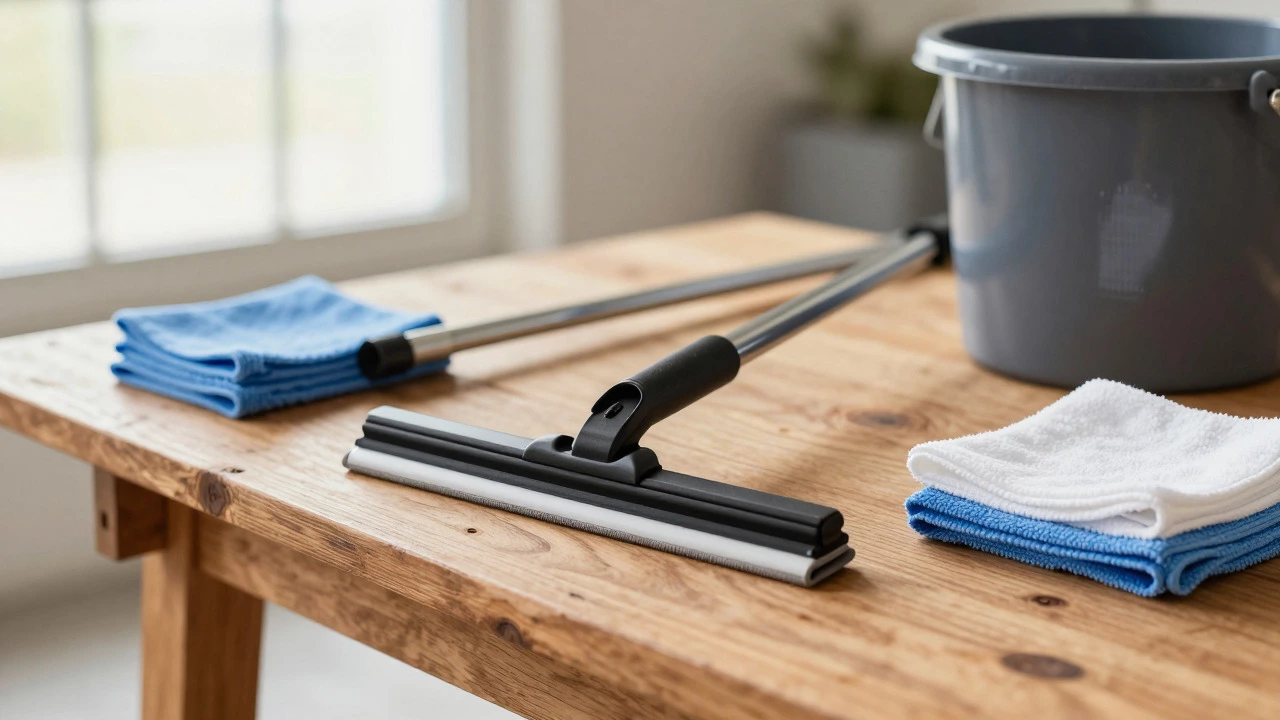
Before you mix any solution, you need the right hardware. Most people fail because they use the wrong cloth or skip the squeegee. Here is what you actually need to keep in your garage or utility room.
- Squeegee A rubber-bladed tool used to remove water and cleaning solution from glass surfaces. This is non-negotiable. A good quality squeegee with a replaceable rubber blade is the single most important tool for streak-free results. Look for one with a comfortable handle and a size that matches your arm length (usually 10 to 14 inches).
- Microfiber Cloth A synthetic fabric made from fibers finer than one denier, known for its high absorbency and lint-free properties. You need two types: one for scrubbing the soapy glass and another dry one for wiping the squeegee blade after every pass. Avoid old t-shirts or paper towels; they leave lint and scratch the glass.
- Extension Pole A telescopic rod that attaches to a squeegee or scrubber to reach high windows safely. If you have second-story windows, do not risk a ladder if you can avoid it. An extension pole allows you to clean from the ground, which is safer and often faster.
- Bucket with Grit Guard A container with a mesh insert at the bottom to trap dirt and debris. The grit guard keeps sand and dust from settling at the bottom of the bucket, where your scrubber would pick them up and scratch your windows.
- Scrubber or Wash Mitt A soft-bristled brush or foam applicator used to agitate dirt on the glass surface. This helps loosen stubborn grime before the squeegee does the work.
The Best DIY Window Cleaning Solution
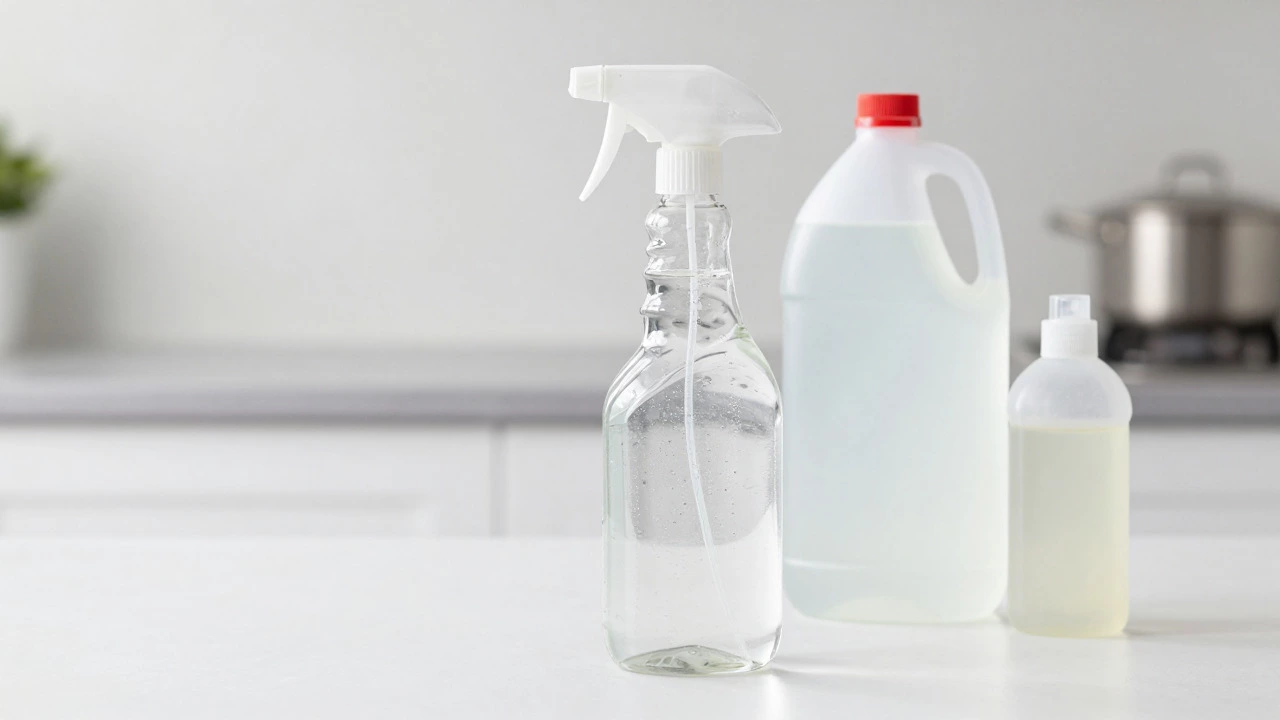
You do not need harsh chemicals to clean glass. In fact, many commercial sprays contain waxes or oils that cause streaks over time. The gold standard for a homemade solution is a mixture of warm water, white vinegar, and a tiny drop of dish soap.
| Ingredient | Pros | Cons | Best For |
|---|---|---|---|
| White Vinegar | Dissolves mineral deposits and grease; eco-friendly | Strong smell initially (fades quickly) | General cleaning, hard water stains |
| Dish Soap | Cuts through oily grime and dirt | Can leave streaks if too much is used | Heavy soil, kitchen windows |
| Rubbing Alcohol | Dries quickly, kills bacteria | Can damage some window seals or frames | Fingerprint removal, quick touch-ups |
| Ammonia | Very effective on tough grime | Toxic fumes, damages tinted windows | Avoid unless necessary |
Here is the recipe that works: Mix one gallon of warm water with one cup of white vinegar and a teaspoon of liquid dish soap. The vinegar breaks down the acidic buildup from rain and pollution, while the soap lifts the dirt. If you live in an area with very hard water, you might add a splash of rubbing alcohol to help the solution evaporate faster, reducing the chance of streaks.
Step-by-Step Cleaning Technique
Having the right tools and solution is only half the battle. How you apply them determines whether you end up with clear glass or a rainbow of streaks. Follow these steps for the best results.
- Check the Weather: Never clean windows in direct sunlight or on a hot day. The heat causes the cleaning solution to dry too fast, leaving immediate streaks. Choose a cloudy day or clean early in the morning or late in the evening when the glass is cool.
- Rinse First: Use a hose with a spray nozzle to rinse off loose dirt, dust, and cobwebs. If you start scrubbing without rinsing, you are grinding grit into the glass, which can cause scratches.
- Scrub the Glass: Dip your scrubber or wash mitt into the bucket. Scrub the entire surface of the window in an S-pattern. Pay extra attention to the edges and corners where dirt accumulates. Do not be shy about using pressure here; the goal is to loosen all the grime.
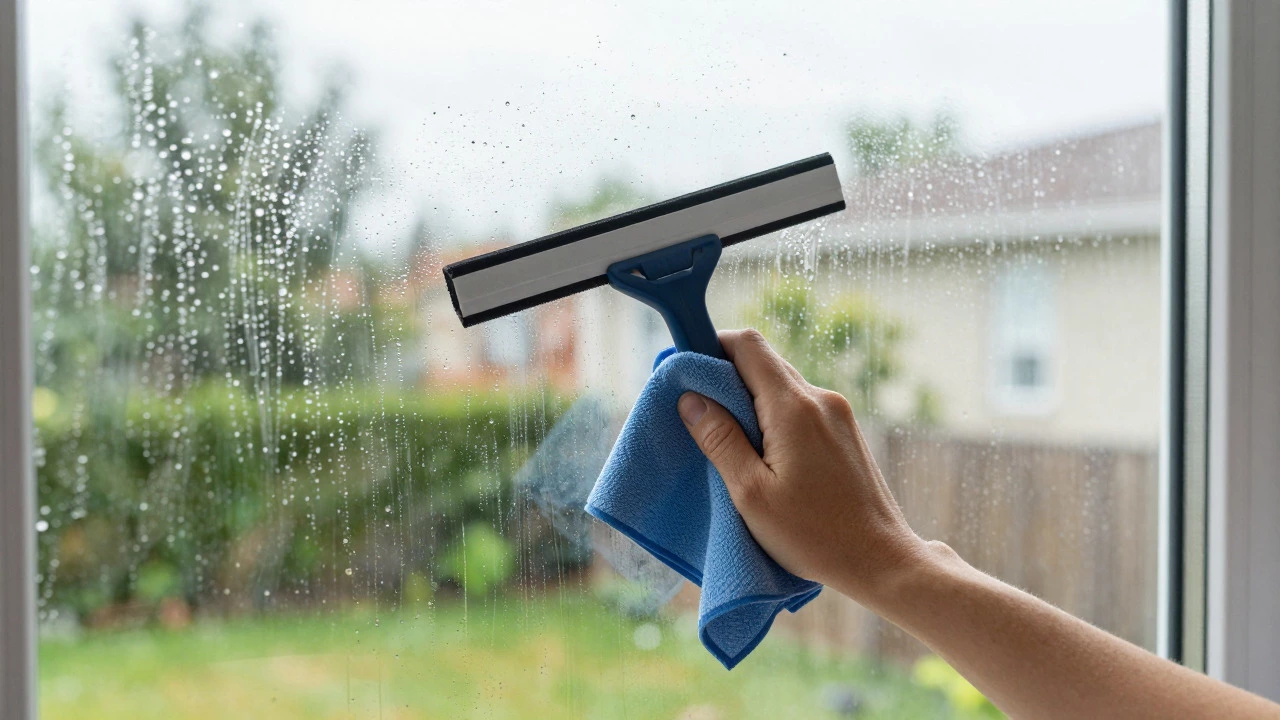
- Squeegee Properly: Start at the top corner of the window. Pull the squeegee horizontally across the top edge. Then, make vertical strokes down the window, overlapping each stroke slightly. After every single stroke, wipe the rubber blade dry with your microfiber cloth. This is the secret step most people miss. A wet blade drags dirty water back onto the clean glass.
- Detail the Edges: Once the main pane is done, use a dry microfiber cloth to wipe away any remaining water beads along the frame and edges. This ensures a completely polished look.
Tackling Stubborn Stains
Sometimes, regular cleaning isn't enough. Bird droppings, tree sap, and hard water spots require specific treatments. Here is how to handle common problem areas.
Bird Droppings: These are acidic and can etch into the glass if left too long. Soak a paper towel in your vinegar solution and place it directly on the droppings. Let it sit for five minutes to soften the waste. Then, gently scrape it off with a plastic scraper or the edge of your credit card. Avoid metal scrapers unless you are experienced, as they can gouge the glass.
Hard Water Spots: If you see white, crusty rings, you have mineral buildup. White vinegar is your best friend here. Apply full-strength vinegar to the spots and let it sit for ten minutes. For older stains, you can paste baking soda with a little water, apply it to the spot, and gently scrub with a non-abrasive pad. Rinse thoroughly afterward.
Tree Sap: Sap is sticky and oily. Rubbing alcohol or nail polish remover (acetone) works well here. Dab a cotton ball in the solvent and rub the sap until it dissolves. Be careful not to get acetone on painted window frames, as it can strip the paint.
Maintaining Your Tools
Your tools will only perform well if you take care of them. After every cleaning session, rinse your squeegee blade and scrubber thoroughly. Hang the squeegee by its handle so the rubber blade dries flat. If you store it lying down, the rubber can warp, leading to streaks next time you use it. Replace the rubber blade every six months or whenever you notice nicks or cracks.
Wash your microfiber cloths separately from other laundry. Do not use fabric softener, as it coats the fibers and reduces their ability to absorb water and lift dirt. Over time, microfiber loses its effectiveness, so replace your cloths every few months depending on usage.
When to Call a Professional
While cleaning first-floor windows is manageable for most homeowners, there comes a point where safety outweighs savings. If you have windows higher than the second story, or if your roof has a steep pitch, consider hiring a professional window cleaner. They have industrial-grade poles, water-fed systems that use purified water (leaving no streaks), and insurance to cover accidents.
In Bristol, where rain is frequent, windows can get dirty quickly due to algae and moss growth on surrounding frames. Professionals often include frame cleaning and gutter clearing in their service, which adds value beyond just the glass.
Is Windex better than vinegar for cleaning outside windows?
It depends on your preference. Windex is convenient and ready-to-use, but it often contains ammonia and blue dye, which can leave residues or damage tinted windows. Vinegar is cheaper, eco-friendly, and highly effective at cutting through grease and mineral deposits. For most people, a DIY vinegar solution provides better long-term results without the cost or chemical exposure.
How often should I clean my outside windows?
Generally, twice a year is sufficient for most homes-once in spring and once in autumn. However, if you live near a busy road, construction site, or wooded area, you may need to clean them every three months. Regular maintenance prevents heavy buildup, making each cleaning session quicker and easier.
Can I use newspaper to clean windows?
Newspaper was a popular trick in the past because the ink acts as a mild abrasive and the paper is lint-free. However, modern newspapers often use glossy coatings that can smear on the glass. Microfiber cloths are now the superior choice because they are reusable, more absorbent, and do not leave ink residue.
Why do my windows still streak after cleaning?
Streaks are usually caused by three things: cleaning in direct sunlight, not wiping the squeegee blade dry between passes, or using too much soap. Ensure you are working in the shade, dry your blade thoroughly after every stroke, and stick to a minimal amount of dish soap in your solution.