Upholstery Cleaning Guide & Safety Checker
Select your fabric code and stain type, then click "Check Cleaning Safety" to see recommended steps and risks.
Quick Wins for Fabric Safety
- Always check the care label before touching the fabric with any liquid.
- Test every single cleaner on a hidden spot, like the back of a skirt.
- Avoid soaking the foam; water trapped inside leads to mold and smells.
- Never use a rough scrub brush on delicate weaves like velvet or linen.
- Skip the bleach-even "color-safe" versions can strip dyes from upholstery.
Ignoring the Care Labels
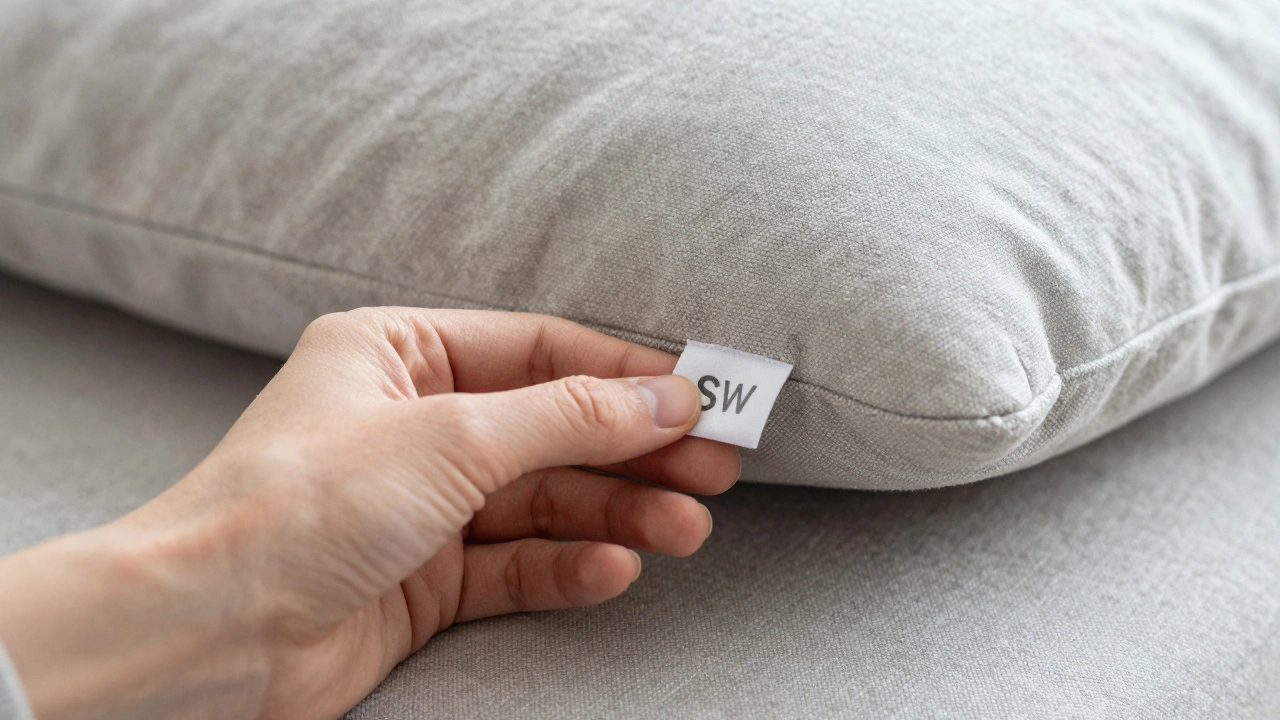
The biggest mistake people make is treating every sofa like it's the same. Your furniture has a secret code that tells you exactly how to handle it. If you ignore these letters, you're basically gambling with your living room. For instance, Upholstery Cleaning is the process of removing dirt, stains, and odors from fabric or leather furniture using specific chemical and mechanical methods. Depending on the label, you might be dealing with a code like 'W', 'S', or 'WS'.
If your tag says 'S', it means Solvent only. If you hit that fabric with a water-based cleaner, you'll likely leave a permanent water stain. If it says 'W', water-based cleaners are fine. 'WS' means you can use either. The most dangerous label is 'X'-which means vacuum only. If you try to wash an 'X' fabric, you'll likely destroy the finish or shrink the material. Ever tried to clean a delicate silk blend with a wet rag? It doesn't end well.
| Code | Meaning | What to Use | Risk of Wrong Choice |
|---|---|---|---|
| W | Water-based | Mild soap, water, shampoo | Minimal, but over-wetting causes mold |
| S | Solvent-based | Dry cleaning solvents, rubbing alcohol | Water causes rings and spotting |
| WS | Both | Water or solvent cleaners | Generally safe, but check for color fastness |
| X | Vacuum only | Vacuum cleaner (no liquids) | Permanent stains, shrinkage, texture loss |
Over-Saturating the Fabric
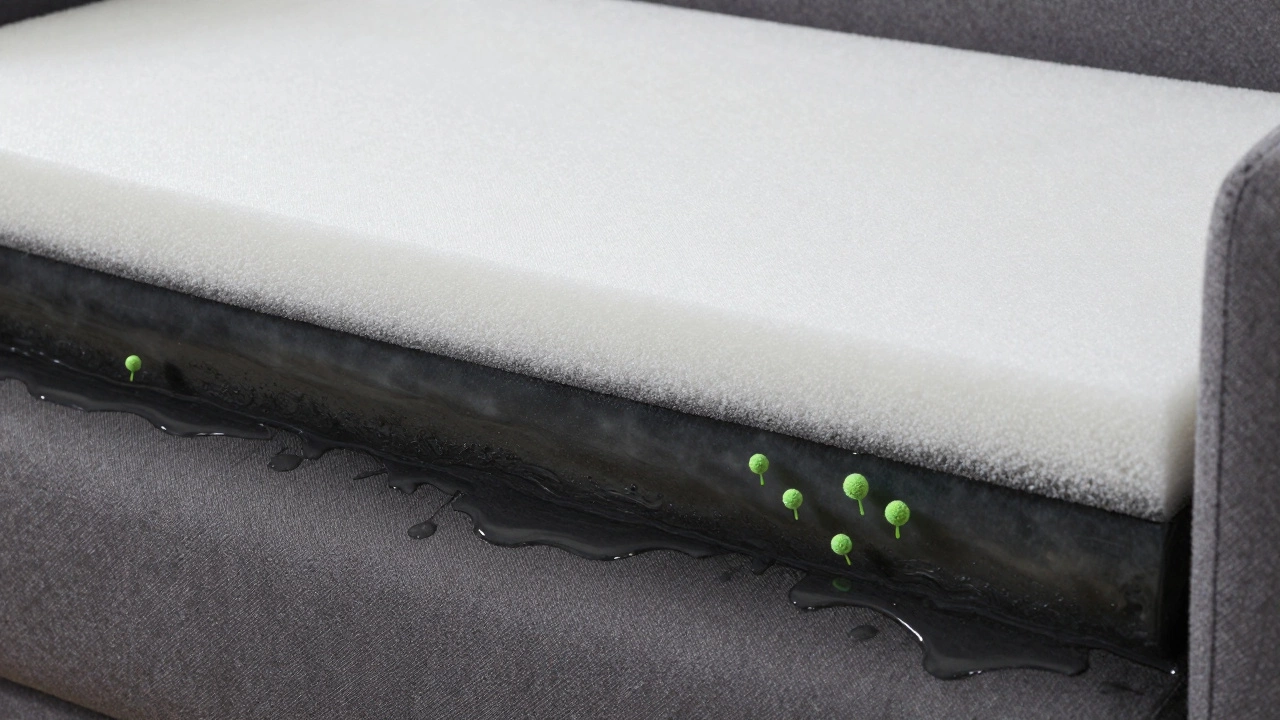
Many people think that more soap and more water equals a cleaner sofa. In reality, you're just pushing the dirt deeper into the Polyurethane Foam (the spongy material inside most cushions) and creating a breeding ground for bacteria. When you soak a cushion, the water doesn't just stay on the surface; it migrates into the core. Because foam is dense, it takes ages to dry. If it stays damp for more than 24 to 48 hours, you're inviting mildew into your home.
Have you ever noticed a "musty" smell coming from a sofa after you cleaned it? That's usually because the inner foam never fully dried. To avoid this, use a spray bottle to mist the area rather than pouring liquid onto it. If you're using a machine, make sure you're extracting as much water as possible during the vacuum phase. A pro tip: use a dry towel to press firmly into the fabric after cleaning to soak up any remaining moisture.
Using the Wrong Cleaning Chemicals
The temptation to reach for a powerful all-purpose cleaner or a splash of bleach is strong, especially when dealing with a nasty coffee stain. However, furniture fabrics are often treated with chemicals for flame retardancy or stain resistance. Strong chemicals can strip these coatings away or cause a chemical reaction that bleaches the fabric. Using Bleach on a colored sofa is an obvious disaster, but even "gentle" dish soaps with high pH levels can break down the fibers over time.
Another common error is using too much detergent. If you leave soapy residue in the fabric, it actually acts as a magnet for more dirt. This is why some sofas look great for a week after cleaning but then get filthy again almost immediately. The leftover soap traps dust and skin cells, making the fabric feel sticky and look grey. Always rinse your area with a damp cloth (if the fabric allows) or use a dedicated upholstery rinse to neutralize the soap.
Aggressive Scrubbing and Brushing
When a stain is stubborn, the natural instinct is to scrub harder. Stop right there. Scrubbing is the fastest way to cause "pilling" or "fuzzing" on your furniture. Most upholstery fabrics, especially synthetics like Polyester or natural ones like linen, have a specific weave. When you scrub vigorously with a stiff brush, you're essentially fraying the edges of those fibers. Once you've created that fuzzy patch, there's no way to "un-scrub" it; the fabric is permanently damaged.
Instead of scrubbing, use a blotting motion. Take a clean, white microfiber cloth and press it firmly into the stain to lift the liquid out. If you need more agitation, use a soft-bristled toothbrush or a lint-free cloth, and always work from the outside of the stain toward the center. This prevents the spot from spreading into a larger ring. If you're dealing with a high-pile fabric like velvet, scrubbing will crush the pile, leaving a permanent "bald" spot on your sofa.
Skipping the Vacuum Phase
It seems counterintuitive, but the most important part of cleaning your upholstery is the part where you don't use any liquid at all. If you apply a cleaner to a sofa that hasn't been thoroughly vacuumed, you're essentially turning surface dust into mud. This mud then gets pushed deeper into the fabric, making the stain harder to remove and leaving a murky residue behind.
You should vacuum not just the seats, but the crevices and under the cushions. Dust mites, pet dander, and crumbs accumulate in the gaps and can react with cleaning solutions to create gritty clumps. Use a vacuum with a brush attachment to lift the dirt without pulling on the threads. If you have a high-efficiency HEPA Filter vacuum, use it; it ensures that the dust you're removing doesn't just float back into the air and settle right back onto the fabric you just cleaned.
Neglecting the Drying Process
Leaving your furniture to dry in a humid room or in a place with no airflow is a recipe for disaster. Slow drying leads to water rings-those annoying circular marks that appear as the water evaporates and pulls minerals and dirt toward the edge of the damp spot. To stop this, you need to maximize airflow.
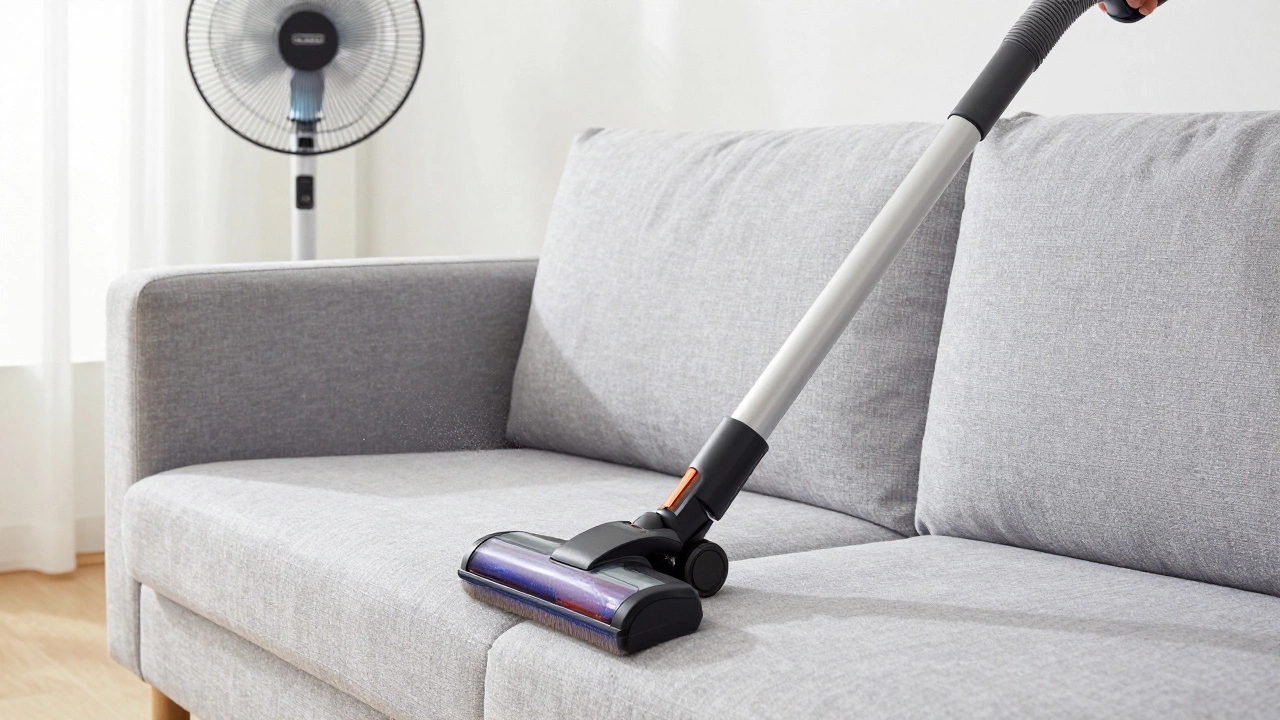
Open the windows, turn on a ceiling fan, or place a floor fan directly in front of the damp area. Avoid using a hairdryer on a high heat setting, as extreme heat can shrink certain synthetic fibers or cause the fabric to warp. The goal is a steady, cool breeze that pulls moisture out of the fibers quickly. If you've cleaned a large section of the sofa, avoid sitting on it for at least 6 to 12 hours. Sitting on damp fabric compresses the fibers and can create permanent creases.
Can I use white vinegar to clean my sofa?
Vinegar is great for some things, but it's an acid. If your sofa is made of a sensitive fabric like silk or certain velvets, the acid can damage the fibers or strip the color. If you want to use it, always dilute it with water and test it on a hidden area first. If the fabric is marked 'S' (solvent only), do not use vinegar as it is water-based.
What is the best way to remove a grease stain without ruining the fabric?
Avoid the urge to scrub. Start by blotting as much as possible with a paper towel. A common mistake is using a heavy soap immediately; instead, try a small amount of clear dish soap (which is designed to cut grease) applied with a soft cloth. If the label allows, a specialized dry-cleaning solvent is usually more effective for grease than water-based cleaners.
How do I tell if I've used too much cleaner?
If the fabric feels sticky to the touch after it dries, or if you see a white, powdery residue, you've used too much detergent. This residue will actually attract more dirt over time. To fix this, you can gently mist the area with distilled water and blot it with a clean microfiber cloth to remove the excess soap.
Is steam cleaning safe for all upholstery?
No, steam cleaning is not for everyone. High heat and moisture can shrink fabrics like wool or damage the glue used in some furniture construction. Always check the label; if it says 'S' or 'X', steam cleaning is a big no-no. Steam is generally best for 'W' fabrics that can handle heat and water.
Why does my sofa have rings after I cleaned a spot?
Water rings happen when the cleaner pushes dirt to the edges of the wet area, or when the fabric dries too slowly. To prevent this, always clean the entire cushion rather than just the spot, or blend the edges of your cleaning area by gently blotting them with a damp cloth as the spot dries.
Next Steps for Furniture Care
If you've already made one of these mistakes, don't panic. If you've created a water ring, you can often remove it by lightly dampening the entire panel of fabric and allowing it to dry evenly. If you've caused pilling from scrubbing, a fabric shaver can sometimes remove the fuzz and restore a smoother look.
For the future, the best way to avoid these disasters is prevention. Consider using a high-quality fabric protector spray that is compatible with your specific material. This creates a barrier that stops liquids from soaking in immediately, giving you more time to blot the spill before it becomes a permanent stain. Also, make it a habit to vacuum your furniture once a week; removing the abrasive grit of dust and sand prevents the fibers from wearing down prematurely, meaning you'll need deep cleaning much less often.