- Baking Soda Paste: Best for general burnt-on food and light carbon.
- Ammonia Soak: The nuclear option for extreme, years-old buildup.
- Dishwasher Tablets: Great for deep-soaking without harsh fumes.
- Degreaser Sprays: Best for quick, surface-level oil.
The Science of Why Grease Sticks
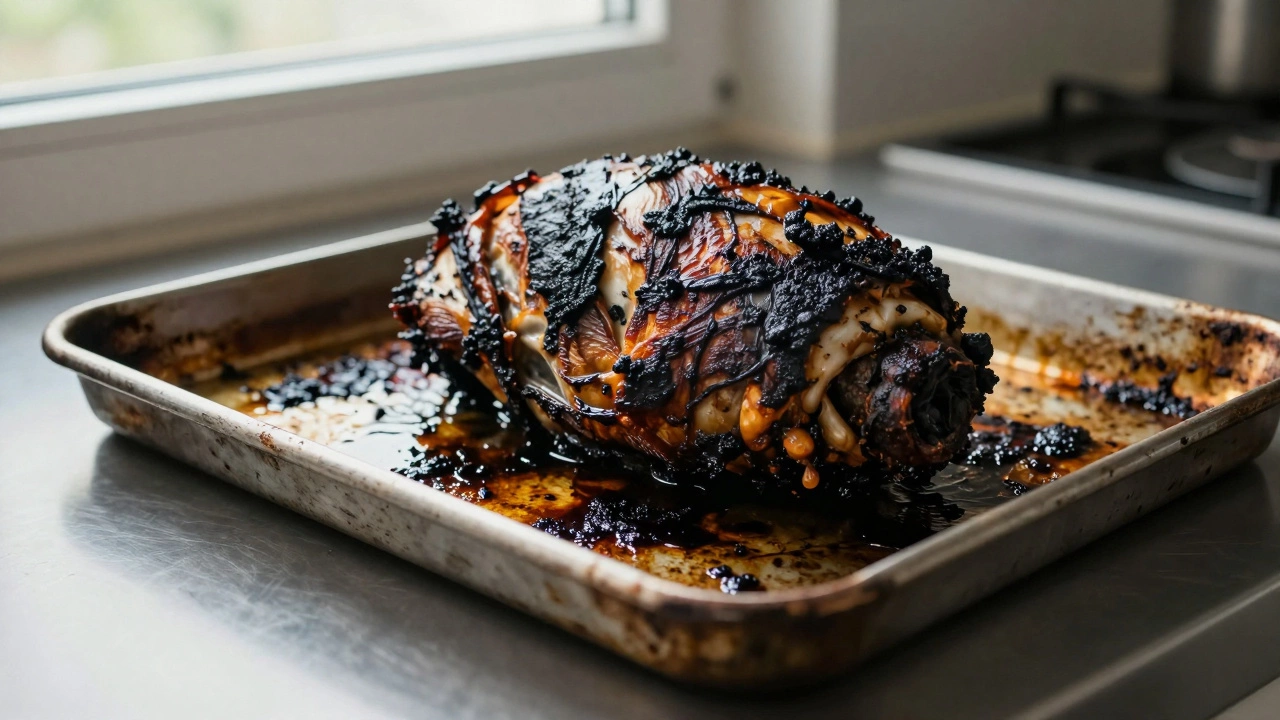
Before we tackle the cleaning, it helps to understand what you're fighting. When oil is heated past its smoke point, it undergoes polymerization. This means the oil molecules link together to form a plastic-like layer. Polymerization is the process of reacting monomer molecules together in a chemical reaction to form polymer chains. This is why a simple soap-and-water wash doesn't work; the soap can't penetrate that hardened shell. To remove it, you need an alkaline agent that can saponify the fats or a solvent that can dissolve the bond.The Baking Soda and Vinegar Method
If you prefer avoiding harsh chemicals, the combination of Baking Soda is sodium bicarbonate, a mild alkaline powder used for cleaning and leavening and Acetic Acid (found in white vinegar) is your best bet. The alkaline nature of the soda breaks down the grease, and the acid in the vinegar helps lift the debris.- Make a thick paste by mixing three parts baking soda with one part water.
- Spread the paste evenly over the baked-on grease. Don't be shy; coat it thickly.
- Let it sit for at least 12 hours. If you're dealing with a tray that hasn't been cleaned since the last decade, leave it for 24 hours.
- Spray white vinegar over the dried paste. You'll see it bubble-that's the carbon dioxide release pushing the grease away from the metal.
- Use a non-scratch scouring pad to wipe away the residue.
Using Dishwasher Tablets for Deep Soaking
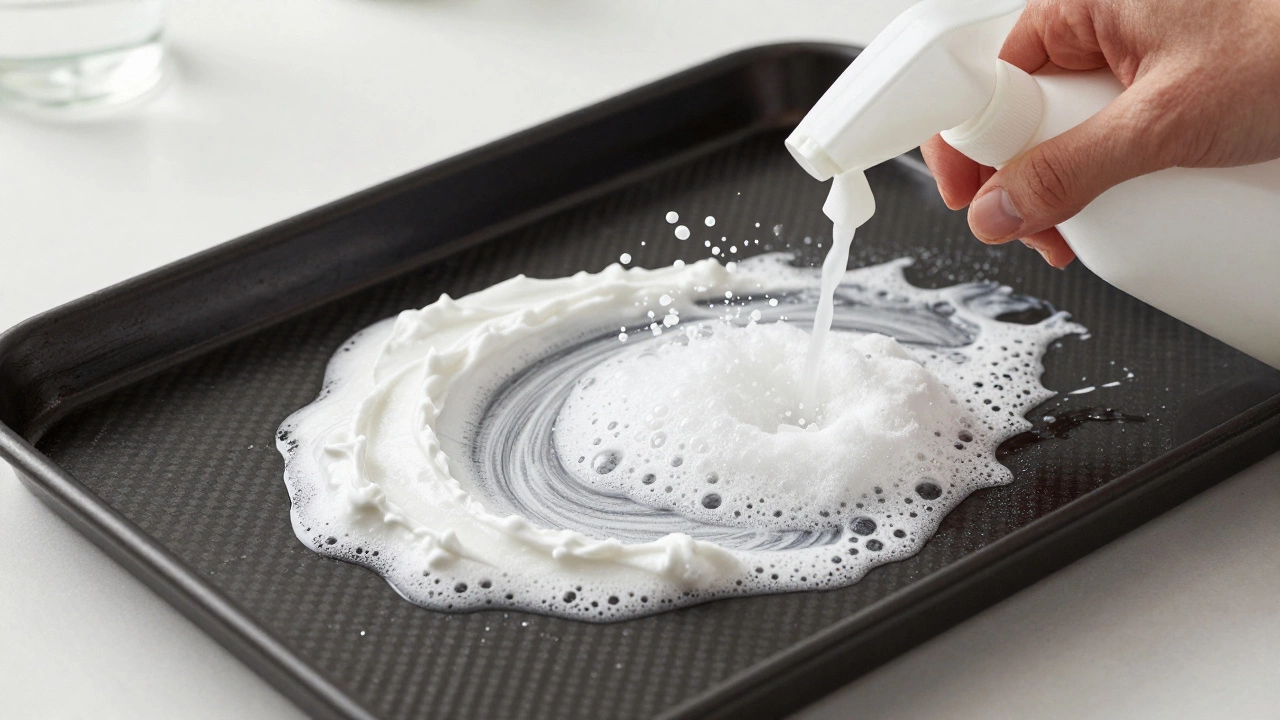
Many people forget that Dishwasher Tablets are highly concentrated detergents containing enzymes and bleaching agents designed to break down proteins and fats are incredibly powerful when used outside the machine. Because they are designed to work over a long cycle, they are perfect for a long soak. To do this, place your tray in the sink or a large plastic tub. Fill it with boiling water. Drop one tablet in and stir it slightly. Let the tray soak for 6 to 8 hours. The enzymes in the tablet will chew through the proteins in the burnt food, making the grease slide off with minimal scrubbing. This is particularly effective for aluminum trays that might react poorly to stronger caustic cleaners.The Ammonia Method for Extreme Cases
When you have that thick, brown, flaky crust that won't budge, you need Ammonia, which is a pungent, colorless gas that in liquid form acts as a powerful alkaline solvent for grease . Warning: This method requires a well-ventilated area because the fumes are intense.- Place the oven tray inside a heavy-duty garbage bag.
- Pour about half a cup of clear ammonia into the bag. You don't need to submerge the tray; the fumes do the work.
- Squeeze the air out and tie the bag tightly.
- Leave the bag outside or in a garage for 24 hours.
- Open the bag (carefully, avoiding the fumes) and rinse the tray with warm soapy water. The grease should literally peel off.
| Method | Effort Level | Time Required | Best For | Safety Risk |
|---|---|---|---|---|
| Baking Soda | Low | 12-24 Hours | Light to Medium Grease | Very Low |
| Dishwasher Tablet | Low | 6-8 Hours | Burnt Food Debris | Low |
| Ammonia Soak | Medium | 24 Hours | Heavy Carbon Buildup | High (Fumes) |
| Commercial Degreaser | High (Scrubbing) | 30 Minutes | Fresh Oil Spills | Medium (Skin) |
Avoiding Common Mistakes
One of the biggest errors people make when trying to remove baked-on grease is using steel wool on non-stick or enamel surfaces. Steel Wool is a grade of abrasive metal fiber used for heavy scrubbing can leave microscopic scratches in the surface. These scratches actually make it easier for grease to bond to the tray in the future, meaning you'll be cleaning it more often. Another mistake is using bleach. While bleach is great for sanitizing, it isn't a degreaser. It won't break the chemical bond of the polymerized oil; it will just make the burnt grease a slightly lighter color. Stick to alkaline cleaners like baking soda or ammonia for the actual lifting process.How to Keep Trays Clean Longer
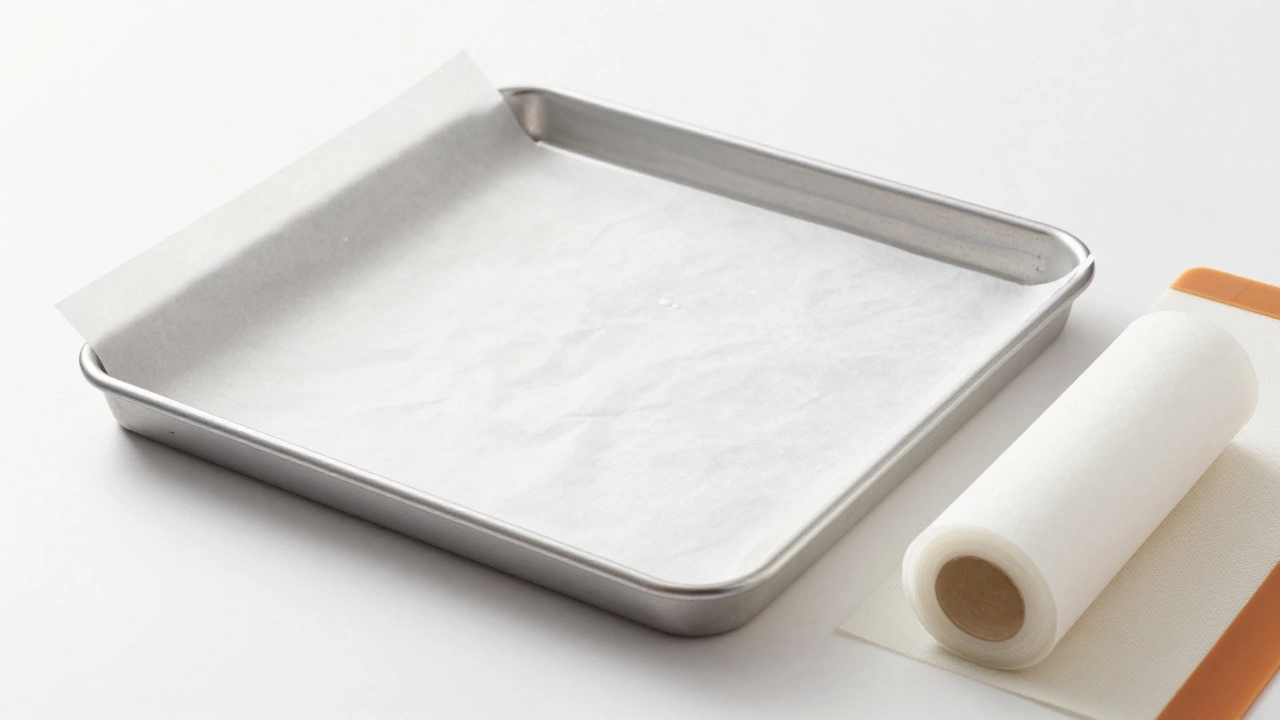
Preventing the buildup is much easier than removing it. The best way to stop grease from baking on is to use Parchment Paper, which is a grease-resistant, non-stick paper used in baking to prevent food from sticking or silicone liners. These create a physical barrier between the food and the metal. If you don't use liners, get into the habit of the "immediate soak." As soon as the tray is cool enough to touch but still warm, fill it with hot soapy water. This prevents the residue from fully setting and makes your weekly deep clean much faster. If you're cooking something high-fat, like a bacon tray, wipe the excess oil with a paper towel before putting it in the oven to reduce the amount of oil that can polymerize.Can I use a dishwasher to remove baked-on grease?
Generally, no. While dishwashers are great for plates, the heat and detergent are usually not concentrated enough to break the chemical bond of polymerized grease. You'll often find the tray comes out just as dirty as it went in, though it will be "sanitized" grease.
Is ammonia safe for all types of oven trays?
Ammonia is safe for most stainless steel and enamel trays. However, be cautious with aluminum. Prolonged exposure to strong alkaline solutions can cause aluminum to discolor or pit. For aluminum, the dishwasher tablet method is a safer, gentler alternative.
Why does the baking soda and vinegar method bubble?
The bubbling is a chemical reaction between a base (baking soda) and an acid (vinegar). This produces carbon dioxide gas. In the context of cleaning, these bubbles help physically lift the loosened grease and charred bits away from the metal surface.
What is the best scrub tool for oven trays?
A nylon scrub brush or a heavy-duty sponge is best for most trays. If you have a stainless steel tray with no coating, a chainmail scrubber is an excellent choice because it removes burnt food without stripping the metal's finish as aggressively as steel wool.
How often should I deep clean my oven trays?
You should perform a deep clean once a month or whenever you notice a brown film building up. If you let the grease accumulate, it can smoke during the next use, which not only smells but can actually trigger smoke alarms and leave a residue on the walls of your oven.