Spring cleaning isn’t just about scrubbing floors or dusting shelves. It’s a ritual. A reset. A moment when people pause, open the windows, and let in more than just fresh air-they let in a new mindset. And for centuries, people have captured that feeling in words. If you’ve ever stood in your living room with a mop in hand and thought, There has to be a better way to say this, you’re not alone. Some of the most powerful thoughts about cleaning come not from cleaning manuals, but from poets, philosophers, and everyday people who saw cleaning as more than chores.
"A place for everything, and everything in its place."
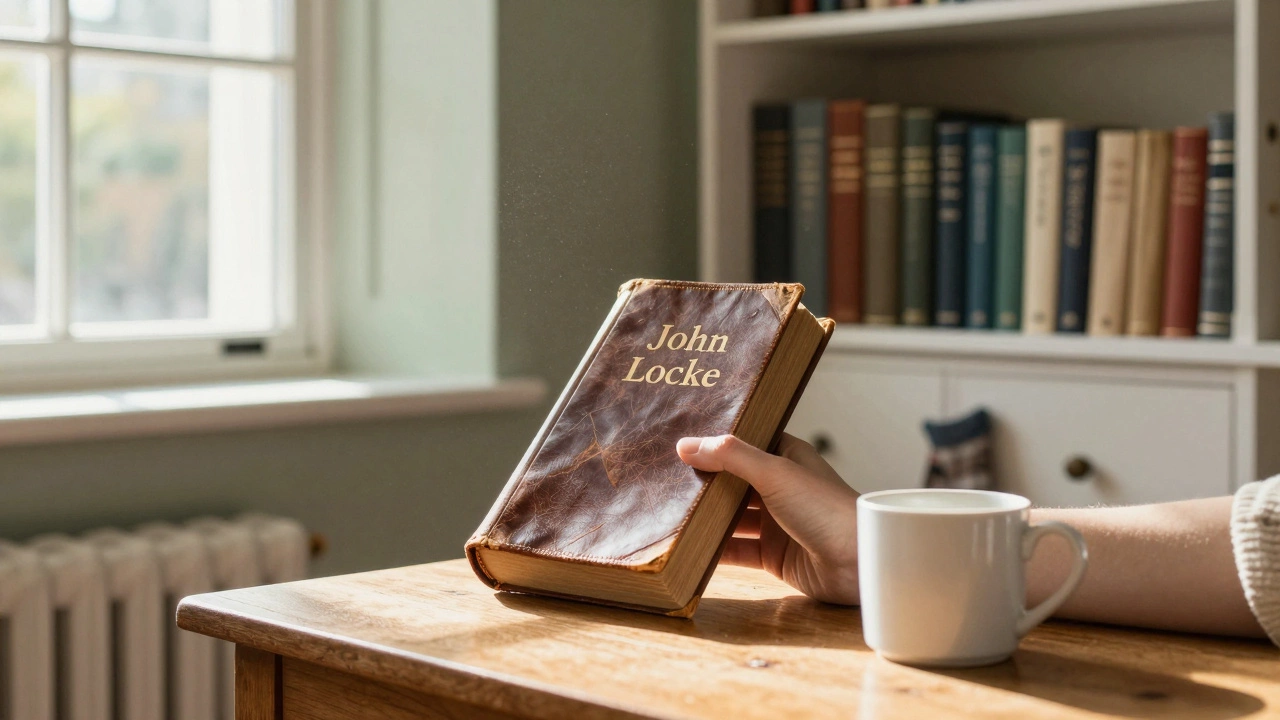
This is perhaps the most repeated quote tied to spring cleaning, often attributed to English statesman and philosopher John Locke. Though there’s no solid proof he said it first, the phrase stuck because it cuts to the heart of what spring cleaning really is: order. It’s not about making everything shiny-it’s about making sense of the chaos that built up over winter. You find three mismatched socks, a pile of unread mail, and a coffee mug that’s been on the counter since January. Locke’s quote doesn’t tell you how to clean. It tells you why: to restore balance. When every tool, book, and coat has a home, your mind feels lighter too.
"Cleanliness is next to godliness."
You’ve heard this one. Maybe even used it to guilt-trip yourself into cleaning the bathroom. But this quote, commonly linked to John Wesley, the founder of Methodism, wasn’t originally about dust bunnies. In the 1700s, Wesley was preaching about moral purity. He believed a clean home reflected a clean soul. Over time, the spiritual meaning faded, and the quote became a household mantra for scrubbing floors. Today, it still works-not because God demands spotless countertops, but because a tidy space helps you think clearly. When your kitchen isn’t buried under takeout containers, you’re more likely to cook. When your desk is clear, you’re more likely to focus. The quote endures because it connects environment to behavior.
"Spring cleaning is the art of letting go."
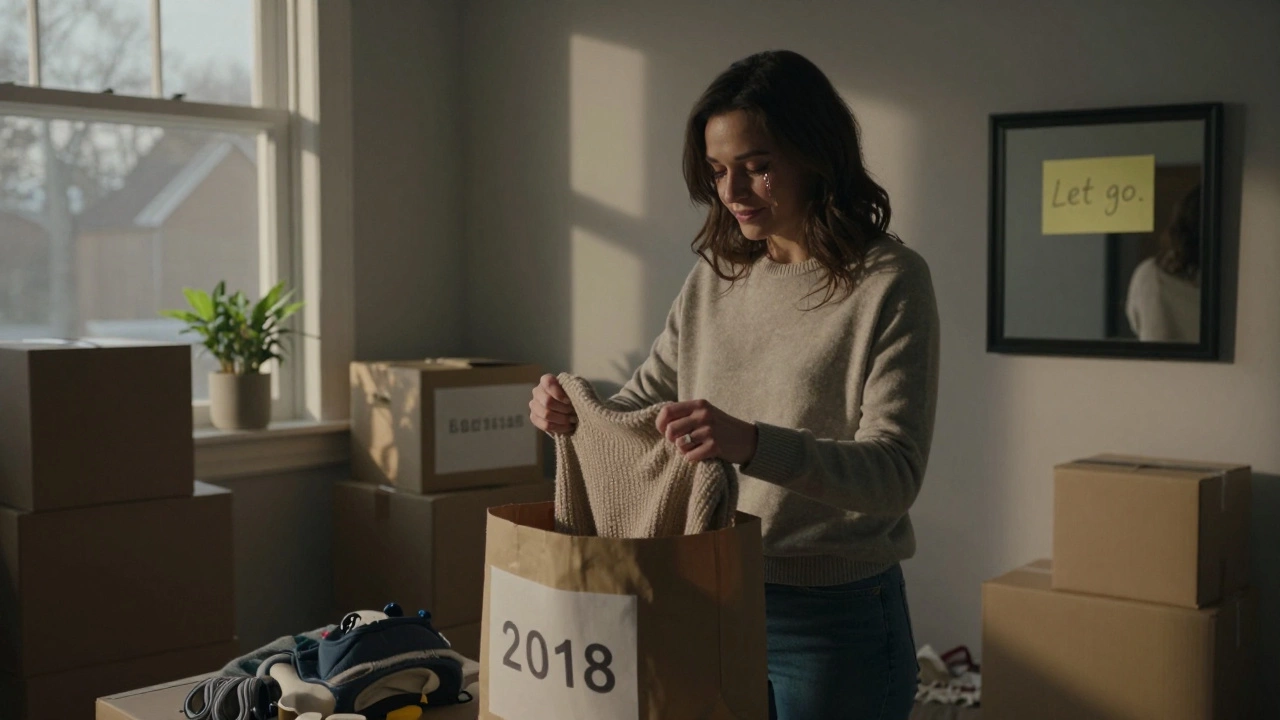
This isn’t from a famous philosopher or historical figure. It’s a modern saying that quietly spread through blogs, social media, and Marie Kondo’s influence. It captures what many people feel now: spring cleaning isn’t just about cleaning up. It’s about decluttering emotionally. You hold onto a sweater you haven’t worn since 2018 because it was a gift. You keep five mugs from vacations you took with someone who’s no longer in your life. Spring cleaning becomes therapy when you ask: Does this still serve me? The quote works because it shifts the focus from effort to intention. You’re not cleaning to impress guests-you’re cleaning to make room for what matters now.
"The best time to clean your house is when you’re not feeling well."
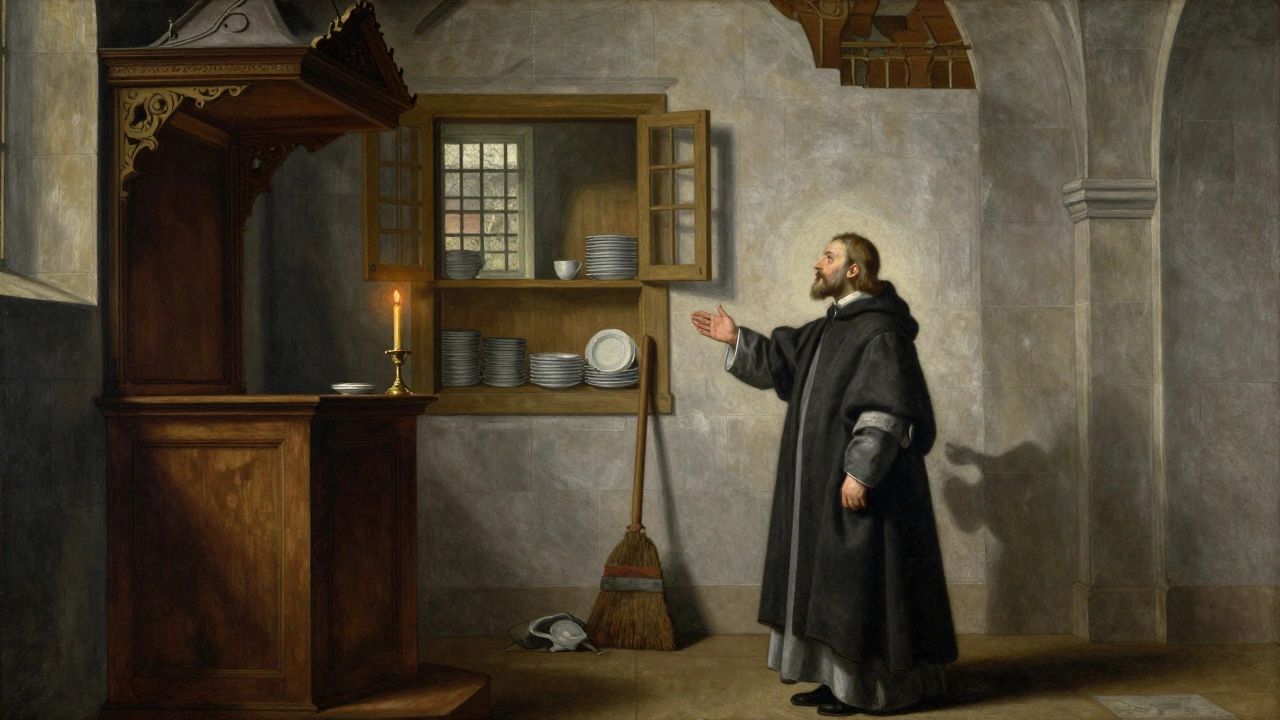
Written by American humorist Erma Bombeck, this quote sounds like a joke-but it’s oddly true. When you’re sick, you can’t do much else. So you clean. You wipe down the fridge. You sort the junk drawer. And somehow, by the time you feel better, your house feels lighter too. Bombeck understood something important: cleaning isn’t always about discipline. Sometimes it’s about distraction. When your body is tired, your mind is restless. Cleaning gives your hands something to do while your brain catches up. That’s why so many people clean after a breakup, a loss, or a big life change. It’s not about the dirt. It’s about control.
"Clean your house before you invite the world in."
This one feels old-fashioned, but it’s still relevant. It’s not about appearances-it’s about readiness. A clean home isn’t a showpiece. It’s a safe space. When you invite someone over, you’re not just inviting them into your living room. You’re inviting them into your rhythm, your habits, your peace. If your home is cluttered, overwhelmed, or full of unfinished tasks, you’re subconsciously telling yourself you’re not ready to be seen. Spring cleaning becomes a quiet act of self-respect. You clean not because others expect it, but because you deserve to live in a space that feels calm.
Why do these quotes still matter today?
Spring cleaning isn’t just a seasonal chore. It’s a tradition that’s evolved with us. In the 1800s, people cleaned in spring because winter soot and candle smoke coated everything. In the 1950s, it was about impressing neighbors. Today, it’s about mental clarity. A 2023 study from Princeton University found that visual clutter reduces focus and increases stress. That’s why the most powerful spring cleaning quotes today aren’t about bleach or brooms-they’re about letting go, creating space, and reclaiming calm.
When you pick up a rag or open a closet, you’re not just moving objects. You’re making a choice: to leave behind what no longer fits, and to welcome what does. The quotes we remember aren’t the loudest. They’re the ones that feel true when you’re tired, overwhelmed, and standing in front of a messy room wondering if it’s even worth it. And the answer? Yes. It’s worth it.
What to do with these quotes
Don’t just read them. Use them.
- Write one on a sticky note and put it on your mirror.
- Say it out loud as you toss out old socks or donate unused kitchen gadgets.
- Use it as a mantra when you feel stuck: "A place for everything, and everything in its place."
These aren’t just words. They’re reminders. Cleaning isn’t about perfection. It’s about progress. One drawer at a time. One memory released. One breath of fresh air.
Other spring cleaning sayings you might hear
- "Clean house, clear mind." - Modern wellness saying
- "The more you own, the less you live." - Minimalist philosophy
- "Dust is just time waiting to be cleaned up." - Anonymous
- "You can’t clean your way to happiness, but you can clean your way to peace." - Unknown
There’s no single "right" quote. The one that sticks is the one that speaks to you right now. Maybe it’s the old one about godliness. Maybe it’s the new one about letting go. Either way, it’s yours.
What is the most famous quote about spring cleaning?
The most widely recognized quote is "A place for everything, and everything in its place," often linked to John Locke. It captures the core idea of spring cleaning: restoring order and reducing clutter to create a calmer, more functional space.
Who said "Cleanliness is next to godliness"?
The phrase is commonly attributed to John Wesley, the founder of Methodism, who used it in sermons in the 1700s to connect physical cleanliness with moral purity. Over time, it became a popular saying tied to household cleaning, though its original meaning was spiritual.
Is spring cleaning still relevant today?
Yes. While modern life doesn’t require deep cleaning after winter soot like it did in the 1800s, spring cleaning remains relevant because it’s tied to mental clarity. Research shows visual clutter increases stress and reduces focus. Cleaning in spring helps reset your environment-and your mindset-for the year ahead.
What’s the difference between cleaning and decluttering?
Cleaning removes dirt and germs-washing floors, wiping surfaces. Decluttering removes unused or unnecessary items-donating old clothes, tossing broken gadgets. Spring cleaning often includes both. Decluttering is what makes the space feel lighter; cleaning makes it feel fresh.
Why do people feel better after spring cleaning?
Cleaning creates a sense of control and accomplishment. When your surroundings are orderly, your brain doesn’t have to work as hard to process visual noise. Studies link tidy spaces to lower cortisol levels and improved mood. It’s not magic-it’s psychology.
Next steps: Start small, think big
You don’t need to clean the whole house in one weekend. Pick one drawer. One shelf. One corner. Clean it. Then sit in the quiet space you made. Notice how it feels. That’s the real goal-not the dust-free surface, but the peace you find after letting go.