Deep Cleaning at Home: What It Really Takes and How to Get It Right
When you think of deep cleaning at home, a thorough, systematic removal of embedded dirt, allergens, and buildup from surfaces that regular cleaning misses. Also known as total home sanitation, it’s not just about making things look clean—it’s about making them actually healthier. Most people clean because they see dust. But deep cleaning happens where you don’t see anything at all—under the sofa cushions, inside mattress seams, behind baseboards, and in fabric fibers that haven’t been touched in months.
True deep cleaning at home, a thorough, systematic removal of embedded dirt, allergens, and buildup from surfaces that regular cleaning misses. Also known as total home sanitation, it’s not just about making things look clean—it’s about making them actually healthier. Most people clean because they see dust. But deep cleaning happens where you don’t see anything at all—under the sofa cushions, inside mattress seams, behind baseboards, and in fabric fibers that haven’t been touched in months.
It’s not magic. It’s method. upholstery cleaning, the process of removing dirt, stains, and odors from fabric-covered furniture using targeted techniques and safe solutions isn’t just vacuuming. It’s treating pet stains with enzyme cleaners, lifting grease with baking soda paste, and using steam to kill dust mites deep in the fabric. Same goes for mattress cleaning, a targeted process to eliminate sweat, dead skin, allergens, and microbial growth trapped in mattress layers. You can’t just sprinkle baking soda and call it done. You need to vacuum first, treat stains properly, and let it breathe. And if you’re using vinegar, you better know which surfaces it’s safe on—because it can damage stone, wood, and sealed finishes if you’re not careful.
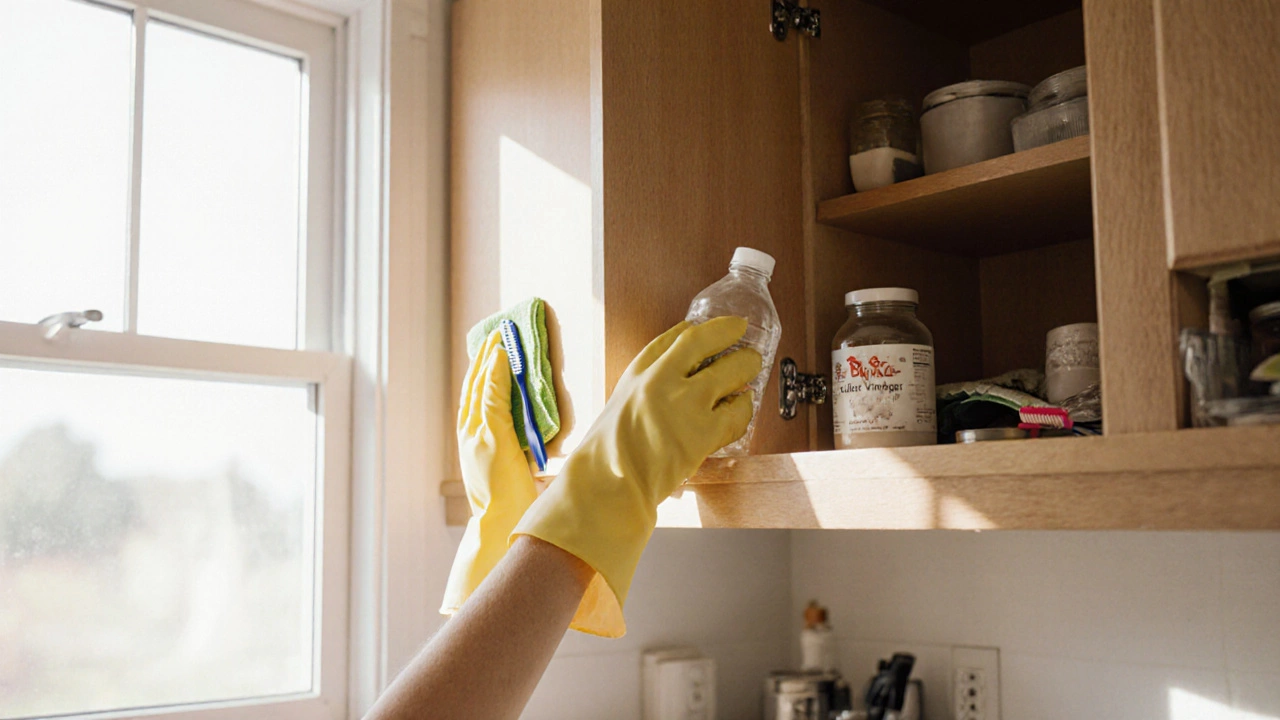
People think deep cleaning means buying expensive gear. It doesn’t. Most of what you need is already in your pantry: vinegar, baking soda, dish soap, and a good microfiber cloth. But knowing how to use them matters more than having the brand name. A DIY cleaning, using affordable, non-toxic household ingredients to achieve professional-level results without commercial products mix of vinegar and water works wonders on fabric sofas—if you test it first. And if you’ve got kids or pets, you’ll want to avoid harsh chemicals altogether. That’s where eco-friendly cleaning, cleaning methods that prioritize human health and environmental safety by avoiding toxic chemicals and synthetic fragrances shines. It’s not just trendy—it’s smarter. Less irritation, fewer fumes, and no hidden toxins lingering in your air.
There’s a difference between cleaning and sanitizing. Deep cleaning at home means you’re not just wiping away the mess—you’re breaking down the root causes. That’s why people who do it right notice fewer allergies, better sleep, and a home that actually feels fresh, not just tidy. You don’t need to do it all at once. Start with your sofa. Then your mattress. Then your windows. Each step builds on the last.
Below, you’ll find real, tested methods from people who’ve done this before—no fluff, no guesswork. Whether you’re dealing with a wine stain on your couch, a mystery smell in your bed, or just tired of dust that won’t go away, you’ll find exactly what works. No marketing hype. Just what gets results.
Can Deep Cleaning Be Done at Home? A Practical Guide
You can absolutely deep clean your home without professional help. Learn what areas matter most, what tools you really need, and how to do it without burning out. Save time, reduce allergens, and feel better in your space.
Read More