Concrete Pressure Washer Calculator
Input Settings
Results
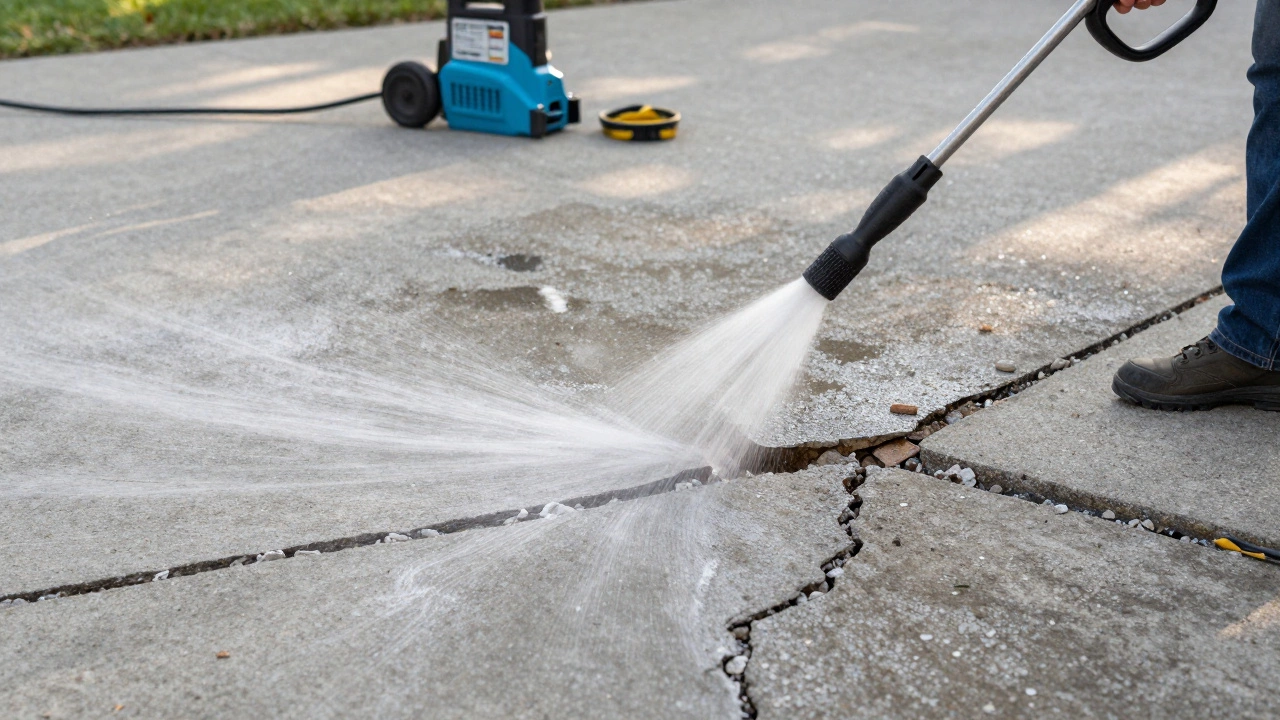
Ever seen someone blast a driveway with a 4000 PSI pressure washer and wonder if they’re ruining it? You’re not alone. Many homeowners hear "more pressure equals better cleaning" and assume turning the dial up to 4000 PSI is the smart move. But when it comes to concrete, that kind of power isn’t always helpful-it can be downright destructive.
What Does 4000 PSI Actually Do to Concrete?
4000 PSI means 4000 pounds of force per square inch. That’s the kind of pressure used in industrial settings to strip paint off steel beams or clean heavy machinery. Concrete, even the toughest driveway or patio slab, isn’t built for that. Standard residential concrete has a compressive strength of around 2500 to 4000 PSI-but that’s about holding up weight, not resisting high-speed water jets.
When you hit concrete with 4000 PSI, you’re not just removing dirt. You’re chipping away at the surface. The water doesn’t just clean-it erodes. Over time, you’ll see fine lines, pitting, and even small craters forming. These aren’t just ugly-they trap water, freeze in winter, and turn into cracks. Once that surface is damaged, it’s harder to seal, and water gets in deeper, speeding up deterioration.
Real-world example: A homeowner in Bristol used a rented 4000 PSI machine on his 15-year-old driveway. Within weeks, the surface looked like it had been sandblasted. He thought it was clean. Turns out, he’d removed the top layer of cement paste that holds the aggregate together. Repair costs? Over £800.
What PSI Is Actually Safe for Concrete?
For most residential concrete-driveways, patios, sidewalks, garage floors-2500 to 3000 PSI is the sweet spot. That’s enough to blast away grease, oil stains, algae, and built-up grime without tearing up the surface. If you’ve got heavy stains or years of neglect, 3000 PSI with the right nozzle and technique will do the job.
Here’s what works in practice:
- 2500 PSI: Ideal for newer concrete, lightly stained surfaces, or if you’re new to pressure washing.
- 3000 PSI: Best for most homeowners. Handles oil, moss, and stubborn dirt without risk.
- 3500 PSI: Only for commercial-grade concrete or very old, heavily soiled surfaces-and even then, use caution.
- 4000 PSI and above: Avoid unless you’re a pro with industrial experience and a specific reason (like stripping paint off a concrete floor before resurfacing).
And don’t forget: pressure isn’t everything. Water flow (GPM) matters too. A 3000 PSI machine with 4 GPM cleans faster and more safely than a 4000 PSI machine with 2 GPM. More water means less time holding the nozzle in one spot, which reduces damage risk.
How Nozzle Choice Changes Everything
Even if you’re using 3000 PSI, the wrong nozzle can turn a safe job into a disaster. Pressure washers come with different spray tips-usually color-coded.
- 0° (red): A needle-thin stream. This is for stripping paint off metal. Never use on concrete. It’ll cut right through the surface.
- 15° (yellow): Good for light cleaning and spot-treating stains. Use it for stubborn spots, but keep moving.
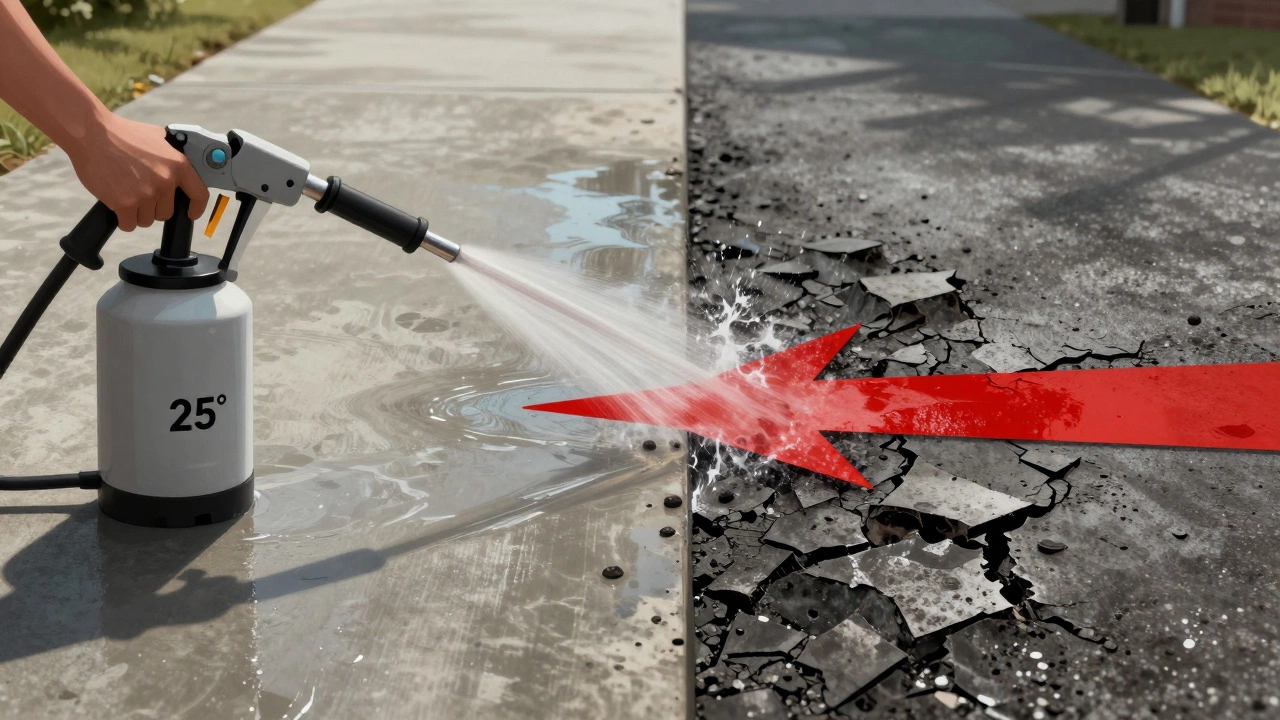
- 25° (green): The go-to for concrete. Wide enough to cover area, tight enough to remove grime. This is your default for driveways.
- 40° (white): Gentle. Use for rinsing or cleaning delicate surfaces like wood or vinyl siding. Too weak for concrete.
- Rotary (turbo): Spins the water into a circular pattern. Great for heavy-duty cleaning, but risky on older concrete. Can cause swirl marks or uneven erosion if held too close.
Pro tip: Always start with a 25° nozzle. Hold the wand 12 to 18 inches from the surface. Move in slow, overlapping passes. Don’t hold it still-not even for a second.
Concrete Age and Condition Matter
Not all concrete is the same. A brand-new driveway poured last year can handle more pressure than one from the 1980s. Older concrete often has micro-cracks, surface wear, or poor curing. That makes it far more vulnerable.
Here’s how to assess your surface:
- New concrete (under 2 years): Wait at least 30 days after pouring before pressure washing. Even then, stick to 2500 PSI max.
- 5-15 years old: Most homes fall here. 2500-3000 PSI is safe with a 25° nozzle.
- Over 15 years old: Treat it like fine china. Use 2000-2500 PSI. If it’s already chipping or flaking, skip the pressure washer entirely and scrub with a stiff brush and concrete cleaner.
- Sealed concrete: If your driveway has a sealer, high pressure can strip it. Use 2500 PSI max and avoid rotary nozzles. Re-sealing after cleaning costs £100-£300 depending on size.
One thing I’ve seen too often: people pressure wash sealed concrete to remove moss, then wonder why it’s slippery again in six months. The sealer’s gone. Water’s seeping in. The concrete’s deteriorating faster than before.
When 4000 PSI Might Be Justified
There are rare cases where 4000 PSI makes sense-but they’re not your driveway.
- Industrial floors: Warehouses or garages with epoxy coatings that need stripping before reapplication.
- Heavy-duty commercial surfaces: Truck depots, loading bays, or factory floors with baked-on grease or chemical residue.
- Removing thick paint or graffiti: If you’re prepping for a new coat, 4000 PSI can strip old paint quickly-but you still need to follow up with a lower-pressure rinse to avoid pitting.
In these cases, pros use specialized equipment, protective gear, and often apply a chemical cleaner first. They don’t just crank the dial and walk away. If you’re not trained, don’t try it.
What Happens When You Go Too High?
Using 4000 PSI on concrete doesn’t just look bad-it creates long-term problems:
- Surface erosion: The top layer of cement paste gets stripped away, exposing aggregate. This makes the surface rough, porous, and harder to clean next time.
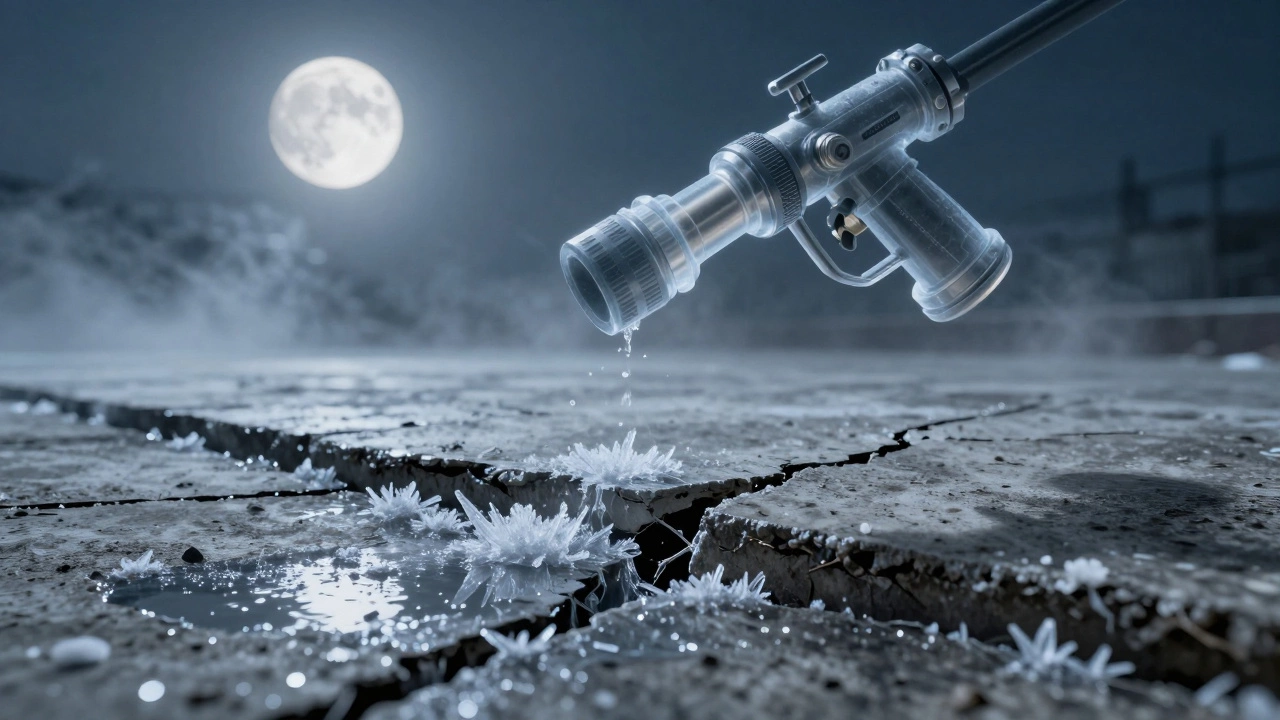
- Micro-cracks: The force can widen existing hairline cracks. Water gets in, freezes, expands, and turns them into big cracks.
- Sealer removal: If your concrete was sealed (and it should be), 4000 PSI will strip it off completely. That leaves the concrete unprotected.
- Uneven cleaning: High pressure creates streaks and patches. Some areas look blasted, others still dirty. It looks worse than before.
- Costly repairs: Replacing or resurfacing a damaged driveway costs £1500-£4000. Cleaning with the right PSI? Under £100 in fuel and cleaner.
And here’s the kicker: You’re not cleaning better. You’re just destroying faster.
What to Do Instead
If you want clean, lasting results without damage:
- Use 2500-3000 PSI with a 25° nozzle.
- Start with a concrete cleaner or degreaser. Let it sit for 10-15 minutes. Scrub with a stiff brush if needed.
- Wash from the top down to avoid streaking.
- Keep the nozzle moving. Never point it at one spot for more than a second.
- Rinse thoroughly and let dry for 24-48 hours before sealing.
- Apply a penetrating sealer every 2-3 years to protect your investment.
And if you’re unsure? Hire a local pro. A good pressure washing service in Bristol will use the right equipment, know your concrete’s age, and seal it properly afterward. It’s cheaper than fixing what you break.
Final Verdict
Is 4000 PSI too much for concrete? Yes. Almost always. Even if your machine can hit that number, you shouldn’t use it. You’re trading short-term results for long-term damage. Stick to 2500-3000 PSI, use the right nozzle, and treat your concrete with care. It’ll last decades. Push it too hard, and you’ll be paying to replace it in just a few years.