
Cleaning Business Rate Calculator (2026)
Your Parameters
Pricing Recommendation
Recommended Hourly Rate
£0.00
8-Hour Shift Total
£0.00
Cost Breakdown (Per Hour)
Profitability Check
Your estimated net take-home pay per hour after taxes and costs: £0.00
Setting the right price for an eight-hour shift is the single most stressful part of running a cleaning business. If you charge too little, you burn out. If you charge too much, you lose the job to someone desperate for cash. With inflation stabilizing but labor costs remaining high in 2026, getting this math wrong can kill your profit margins before you even pick up a mop.
The short answer? For a standard domestic clean in the UK, you should aim for between £160 and £240 for an eight-hour block. But that number changes drastically depending on whether you are a solo cleaner, running a team, or offering a premium 'same-day' emergency service. Let’s break down exactly how to calculate your rate so you stop guessing and start earning what you’re worth.
The Baseline: Calculating Your Hourly Floor
Before you quote a client, you need to know your absolute minimum. This isn't about what you want; it's about what you need to survive. Many cleaners make the mistake of quoting based on their desired take-home pay, ignoring taxes, insurance, and equipment depreciation.
In 2026, the National Minimum Wage for workers aged 21 and over is £11.44. However, as a business owner, you cannot charge at wage level. You must cover:
- National Insurance & Tax: Set aside roughly 30-40% of your gross income for self-assessment and Class 2/4 NI contributions.
- Insurance: Public liability insurance is non-negotiable. Budget around £15-£20 per month, which breaks down to roughly £1.50 per day.
- Travel Costs: The current mileage allowance for tax purposes is 45p per mile for the first 10,000 miles. If you drive 20 miles to a job, that’s £9 gone before you start cleaning.
- Equipment Wear: Vacuums, mops, and eco-friendly chemicals don’t last forever. Add £2-£3 per hour to your rate to replace these items annually.
When you stack these costs, your effective hourly cost rises from £11.44 to closer to £15.00 just to break even. Therefore, charging less than £20 per hour is essentially working for free while paying to do it.
Standard vs. Same-Day Cleaning Rates
The title of this guide mentions "same day cleaning," and that distinction is crucial. A standard recurring clean (weekly or fortnightly) commands a lower rate because it offers you predictable income and reduced travel time if you batch jobs in the same neighborhood.
A one-off or same-day clean is different. It requires immediate availability, often involves more intense scrubbing (since dust accumulates faster without regular maintenance), and carries higher administrative overhead in scheduling. Here is how the market segments pricing in Bristol and similar UK cities in 2026:
| Service Type | Hourly Rate (£) | 8-Hour Total (£) | Best For |
|---|---|---|---|
| Recurring Weekly Clean | £18 - £22 | £144 - £176 | Steady cash flow, established clients |
| One-Off Deep Clean | £22 - £28 | £176 - £224 | Moving homes, seasonal refreshes |
| Same-Day / Emergency | £25 - £35+ | £200 - £280+ | Last-minute requests, urgent needs |
If a client calls you on Tuesday morning asking for a clean by Thursday evening, you are selling convenience and speed, not just dirt removal. Do not discount this. In fact, many successful cleaners add a 20% "rush fee" for any booking made within 48 hours.
Factors That Justify Higher Rates
Why would anyone pay £30 an hour when they could find someone online for £15? Because of trust, quality, and specialization. You can command the upper end of the pricing spectrum if you highlight specific value drivers.
Eco-Friendly Products: Clients with young children or pets are increasingly wary of harsh chemicals. If you use certified green products (like those approved by the Soil Association), you can charge a premium. These products often cost more, but they sell peace of mind.
Specialized Equipment: Using industrial-grade steam cleaners or HEPA-filter vacuums sets you apart from the person with a bucket and a sponge. Mentioning this in your proposal justifies a higher rate because you are delivering a deeper sanitization.
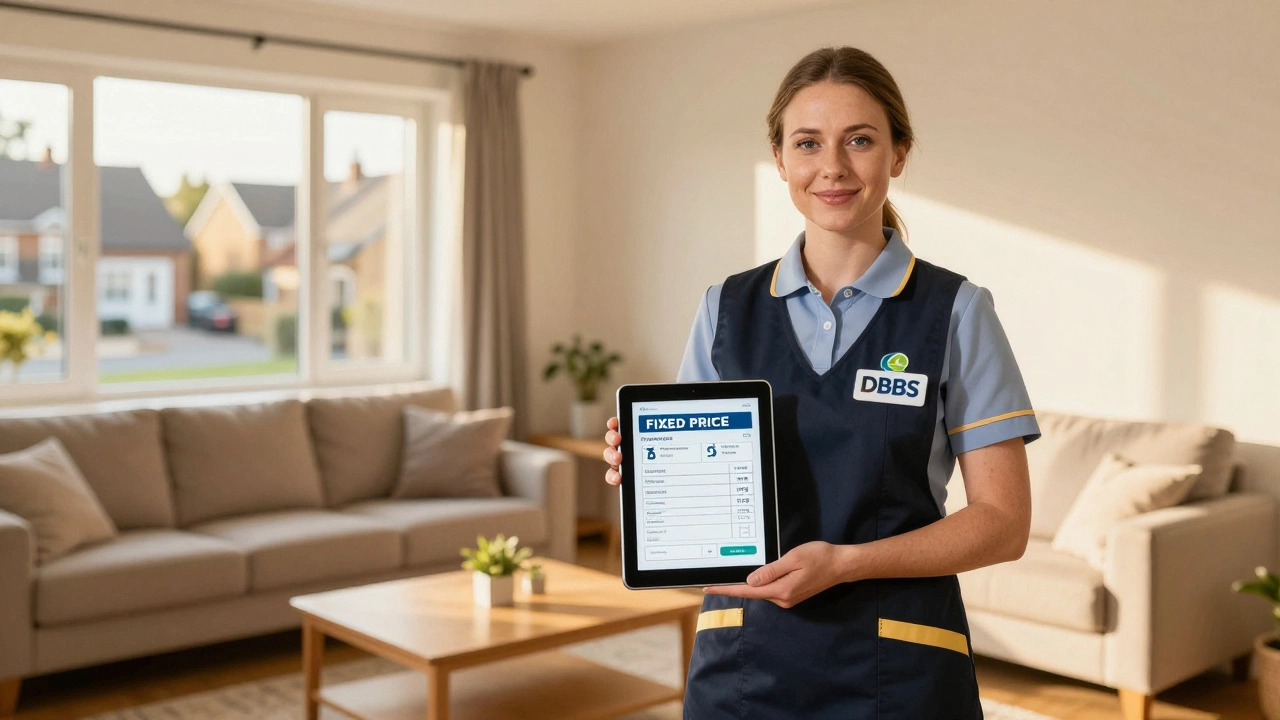
Insured & Vetted: In 2026, security is a top concern. If you have DBS checks (Disclosure and Barring Service) and full public liability insurance, state this clearly. Many homeowners will pay extra to avoid the risk of hiring an uninsured casual worker.
How to Quote Without Losing the Job
Pricing psychology matters. When you send a quote for an eight-hour block, avoid listing the hourly rate prominently. Instead, present a package price. People feel safer knowing the total cost upfront rather than worrying about the clock ticking.
Try this structure in your emails:
"For a comprehensive 8-hour deep clean of your [Number]-bedroom property, including kitchen degreasing and bathroom sanitization, my fixed rate is £220. This includes all eco-friendly supplies and insured coverage."
If the client asks why it’s that price, explain the scope. Eight hours is a long time. It covers detailed work like inside cupboards, skirting boards, and window sills-tasks that casual cleaners skip. By defining the scope, you prevent "scope creep" where clients expect you to clean the gutters after you’ve already spent six hours on the kitchen.
Common Mistakes That Kill Profits
I see new cleaners make the same errors repeatedly. Avoid these traps to keep your business healthy.
Underestimating Travel Time: If you live in Bristol and the job is in Bath, that’s an hour of driving. Don’t charge for cleaning only. Either charge for the travel time or build it into your hourly rate. A common rule of thumb is to charge half your hourly rate for travel time under 30 minutes, and full rate for anything longer.
Free Estimates: Never offer a free on-site estimate for a one-off job. It wastes your time and attracts tire-kickers. Offer a video call or ask for photos of the rooms. If they refuse, they likely aren’t serious.
Discounting Too Early: When a client says "that’s too expensive," don’t immediately drop the price. Ask if there are specific tasks they’d like to remove. Maybe they don’t need the windows cleaned. Adjust the scope, not the rate. Lowering your rate devalues your service permanently.
Payment Terms and Deposits
For same-day or large-scale cleans, consider requiring a deposit. A 20% non-refundable deposit secures your time. If the client cancels last minute, you haven’t lost an entire day’s income. Use secure payment platforms like Stripe or PayPal Business to handle transactions professionally. Avoid cash-on-completion for new clients; it increases the risk of non-payment disputes.
Finally, remember that your reputation is your biggest asset. Over-deliver on your first job, leave a handwritten thank-you note, and follow up a week later. Happy clients become repeat clients, and repeat clients are easier to schedule, reducing your travel costs and increasing your effective hourly wage over time.
Is it better to charge hourly or per job?
For clients, per-job pricing is usually preferred because it offers budget certainty. For you, hourly billing protects against overly dirty properties. A hybrid approach works best: quote a fixed price for a standard scope, but include a clause that allows for additional charges if the condition of the property is significantly worse than described (e.g., hoarding situations or post-construction debris).
Should I charge extra for same-day bookings?
Yes. Same-day bookings disrupt your schedule and often require rushing to buy supplies or rearrange other appointments. A surcharge of 15-25% is standard industry practice for emergency or last-minute services. Clearly state this policy on your website to manage expectations.
What is the average cleaning rate in the UK in 2026?
The national average for independent cleaners ranges from £18 to £25 per hour. In major cities like London, Edinburgh, and Bristol, rates tend to be higher, often starting at £22 per hour. Always check local competitors to ensure you are competitive but not undervaluing your work.
Do I need to provide my own cleaning products?
Professionally, yes. Providing your own high-quality, eco-friendly products ensures consistent results and protects you from liability if a client’s bleach damages a surface. It also allows you to control the cost and quality of materials. Factor the cost of these consumables into your hourly rate.
How do I handle clients who complain about the price?
Stay confident in your value. Explain what is included in your service: insurance, vetting, professional equipment, and guaranteed quality. If they still balk at the price, politely decline the job. Chasing low-paying clients leads to burnout and poor reviews. Focus on finding clients who respect your expertise.