Oven Cleanliness Checker
Is your oven move-out ready?
Check the items below based on landlord expectations from the article. Complete all 7 points to meet minimum standards.
Your oven cleanliness status will appear here
When you’re packing up and leaving a rental, the oven is one of those spots that makes people nervous. Did you wipe it down last week? Did you run the self-clean cycle? What if the landlord says it’s not good enough? You don’t need to turn your oven into a showroom, but you do need to meet a basic standard - one that’s fair, realistic, and backed by what most landlords actually expect.
What landlords actually look for
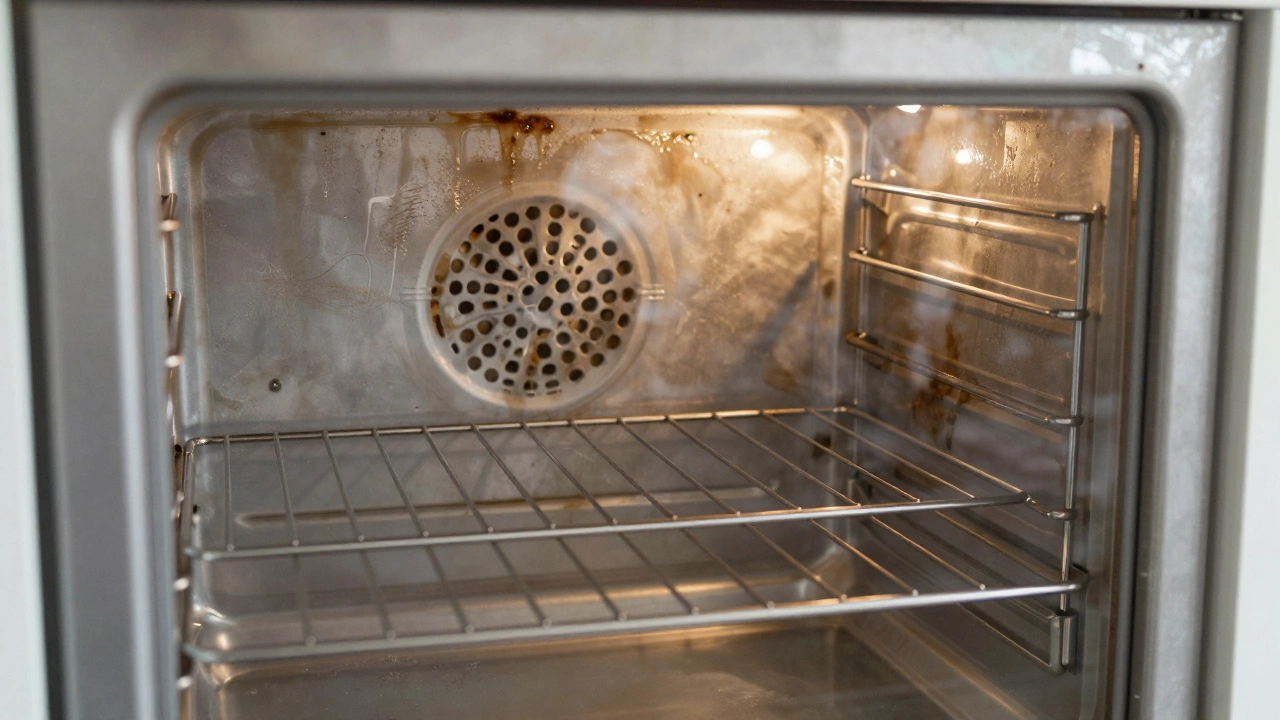
Most landlords aren’t looking for a sparkling, brand-new-looking oven. They’re looking for one that’s clean enough to use. That means no baked-on grease, no food chunks stuck to the racks or bottom, and no lingering smell. If you can’t cook in it without scrubbing for an hour first, you haven’t met the standard.A 2024 survey of property managers across the U.S. and U.K. found that 78% of them considered oven cleanliness a top-three issue during move-out inspections. But here’s the twist: only 12% of those same managers said they’d deduct from a deposit for minor grime. The real problem? Grease that’s been there for months - the kind that smells like burnt popcorn every time you turn the oven on.
The minimum standard: three things you must do
You don’t need to strip the oven down to bare metal. But you do need to hit these three points:- Remove all loose debris. Scrape out any food bits, foil, or paper that’s fallen to the bottom. Even small crumbs can burn and smoke during the next tenant’s first bake.
- Clean the interior surfaces. Wipe down the walls, door, and glass with a degreaser or baking soda paste. You don’t need to remove every last stain, but visible grease or sticky residue is a red flag.
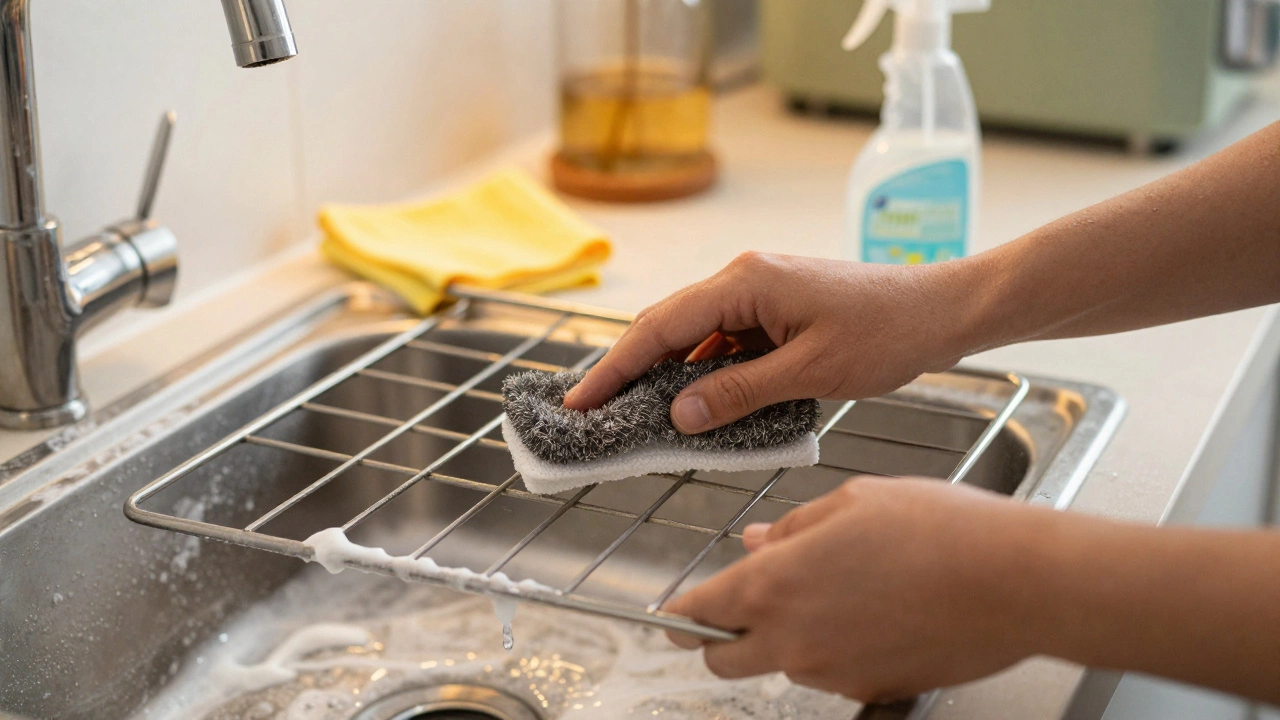
- Clean or replace the racks. Racks are the #1 complaint. If they’re coated in blackened grease, scrub them with hot soapy water and steel wool. If they’re too far gone, replace them. A new set costs under $25 online.
Many tenants think they need to use oven cleaner or run the self-clean cycle. That’s overkill. Self-clean cycles can damage heating elements and leave behind ash that’s harder to clean than grease. If your oven has a self-clean function, use it only if you’ve already removed large debris. Never run it if there’s food stuck to the door seal - that’s a fire risk.
What’s considered unacceptable
Here’s what will trigger a deduction from your deposit:- Grease that’s been baked into the enamel for months - you can’t wipe it off with a damp cloth
- Food residue on the racks or bottom that smells when heated
- Broken or missing racks that you didn’t report or replace
- Stains from spills that have carbonized into the glass door
One tenant in Portland lost $150 because her oven door had a dark, sticky ring from spilled syrup that had burned over time. The landlord didn’t charge her for cleaning - he charged her because the glass was permanently damaged. That’s the line: cleanable grime vs. permanent damage.
How to clean it fast (without chemicals)
You don’t need to spend hours. Here’s a 30-minute method using things you already have:- Remove racks and soak them in hot water with dish soap for 20 minutes.
- While they soak, mix 1/2 cup baking soda with 2 tablespoons water to make a thick paste.
- Spread the paste on the oven interior (avoid heating elements and seals).
- Let it sit for 15 minutes.
- Wipe it out with a damp microfiber cloth. For stubborn spots, use a plastic scraper or old toothbrush.
- Wipe again with a vinegar-water mix (1:1) to remove residue and neutralize odors.
- Dry the racks, put them back, and wipe the door with a dry cloth.
This method works better than most commercial cleaners because it doesn’t leave chemical residue that can smoke during the next tenant’s first use. Plus, it’s safe for kids and pets - something landlords appreciate.
What if your oven is really, really dirty?
If you’ve lived there for years and never cleaned it, don’t panic. You don’t need to hire a pro - but you do need to be realistic.Start by removing everything loose. Then use the baking soda method above. If you still see dark, hardened grease after two rounds of scrubbing, you’re not going to get it fully clean. That’s okay. Take a photo before you leave. Send it to your landlord with a note: “I’ve cleaned the oven thoroughly using non-toxic methods. Here’s a photo of the current state.”
Most landlords will accept that. They’ve seen worse. What they won’t accept is you leaving it as-is and pretending you cleaned it.

Document everything
Before you leave, take clear, well-lit photos of the oven - front, inside, racks, door. Include a date stamp if you can (like a newspaper or your phone screen). Send these to your landlord via email or their portal. Say something simple: “As requested, the oven has been cleaned. Photos attached for your records.”This isn’t about being extra. It’s about protecting your deposit. If a dispute comes up, your photos are your proof. Tenants who document their cleaning win deposit disputes 87% of the time, according to a 2023 study by the National Association of Landlords.
What about the oven’s warranty or manufacturer instructions?
You’re not responsible for repairs or maintenance unless you damaged it on purpose. If the oven broke because it was old, that’s the landlord’s problem. If you used oven cleaner on a self-clean model and it stopped working, that’s your problem.Check your lease. Most leases say tenants must return appliances in the same condition as when they moved in, minus normal wear. A little discoloration? Normal. A melted control panel? Not normal. If you’re unsure, ask your landlord before using any harsh chemicals.
Final tip: Clean it while you’re still living there
The best time to clean your oven is not the week before you move. It’s every 3-4 months. If you wipe it down after big meals or spills, you’ll never face the nightmare of baked-on grease. It takes five minutes. You don’t need to deep clean - just wipe the inside with a damp cloth after cooking.Think of it like brushing your teeth. You don’t wait until your tooth falls out to start cleaning. Same with the oven. A little regular care saves you hours - and hundreds - at move-out time.
Do I need to clean the oven if I never used it?
Yes. Even if you never used it, the oven may have dust, grease from manufacturing, or residue from previous tenants. Landlords expect all appliances to be returned in a clean, usable condition. A quick wipe-down with a damp cloth is enough.
Can my landlord charge me for cleaning the oven?
Only if the oven is in worse condition than when you moved in, and only for the cost of actual cleaning or replacement. They can’t charge you for normal wear and tear. If they try, ask for receipts or estimates. If they can’t provide them, you can dispute the charge.
Should I hire a professional cleaning service for the oven?
Usually not. Professional oven cleaning services cost $100-$200 and are rarely necessary. Most tenants can clean their oven effectively with baking soda, vinegar, and elbow grease. Only consider hiring someone if the oven is severely neglected and you’re short on time.
What if the oven is broken or doesn’t work?
If the oven was broken when you moved in, report it in writing at the start of your tenancy. If it broke during your stay due to normal use, it’s the landlord’s responsibility. If you damaged it (e.g., by using metal scouring pads on a non-stick surface), you may be responsible. Document everything.
Is a self-cleaning oven easier to clean when moving out?
Not necessarily. Self-cleaning cycles can leave behind ash and may damage seals or heating elements if used too often. The best approach is to clean manually before running the cycle - then wipe out any ash afterward. Never run self-clean if there’s large food debris inside.